



Why Your Gut Health Matters
In recent years, the conversation around health has increasingly focused on the gut microbiome. This complex ecosystem, home to trillions of bacteria and other microorganisms, plays a crucial role in our overall well-being. A healthy gut is linked to improved
digestion, a stronger immune system, and even better mood and skin health. When the balance of good and bad bacteria is right, our bodies function more efficiently. Issues like bloating, acidity, and general discomfort can often be signals that your gut needs a little more support. This is where fermented foods and drinks, rich in beneficial probiotics, come into the picture.
The Surprising Power of Mustard Seeds
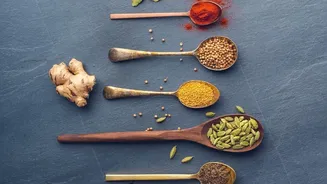
Mustard seeds, a staple in Indian kitchens, are more than just a flavouring agent. They belong to the brassica family, alongside nutrient powerhouses like broccoli and kale. The seeds are a source of minerals and contain compounds called glucosinolates, which are responsible for their characteristic pungent flavour. While standard processed mustard has its own benefits, the process of fermentation unlocks a new level of potential. When mustard seeds are allowed to ferment naturally, they can become a source of probiotics—the live, beneficial bacteria that are key to a flourishing gut microbiome.
An Introduction to Kanji
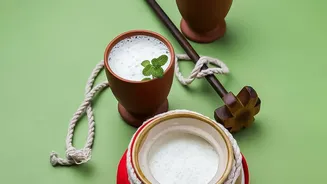
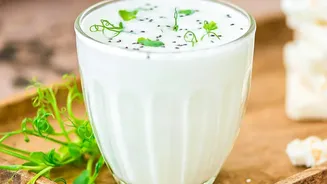
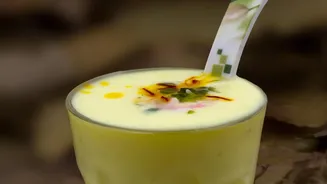
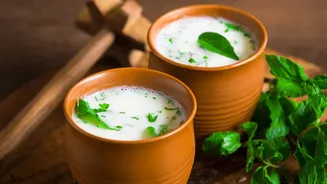
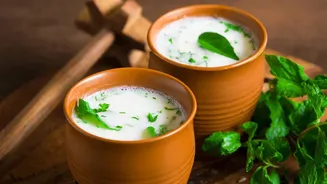
The practice of creating a fermented drink from mustard seeds is not new. In India, a traditional beverage known as Kanji has been made for centuries. This North Indian classic is a tangy, savoury drink traditionally prepared by fermenting ingredients like black carrots or beetroot with mustard seeds and water. The fermentation process, which typically takes a few days, transforms the liquid into a probiotic powerhouse. The mustard seeds impart a sharp, distinctive flavour while contributing to the fermentation that creates gut-friendly bacteria.
How to Make Your Own Fermented Mustard Drink
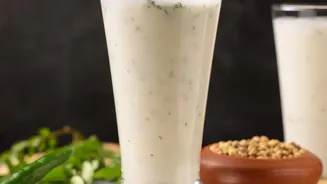
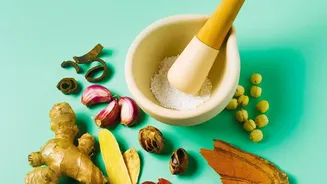
Making your own fermented mustard drink, or Rai ka Pani, is surprisingly simple. You will need a clean glass jar, water, mustard seeds, and a few optional ingredients for flavour. Ingredients: 1 litre of filtered water 2 tablespoons of black or yellow mustard seeds 1 teaspoon of black salt (kala namak) Optional: 1 small beetroot or a few carrots, cut into sticks; 1-2 green chillies Instructions: 1. Start by coarsely grinding the mustard seeds. You can use a spice grinder or a mortar and pestle. This helps release their flavour and beneficial compounds. 2. Boil the litre of water and let it cool until it is lukewarm. 3. In a large, clean glass jar, combine the ground mustard seeds, salt, and optional vegetables like beetroot or carrot sticks. 4. Pour the lukewarm water into the jar and stir everything together thoroughly. 5. Cover the mouth of the jar with a clean muslin or cotton cloth and secure it. This allows the drink to breathe while keeping out dust and insects. 6. Place the jar in a sunny spot for 2 to 4 days to ferment. You should stir the mixture with a clean spoon once each day. The fermentation time will depend on the temperature; it will be faster in warmer climates.
Knowing When It's Ready and How to Enjoy It
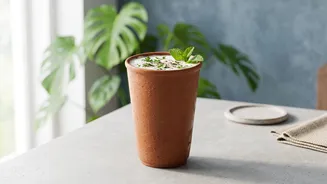
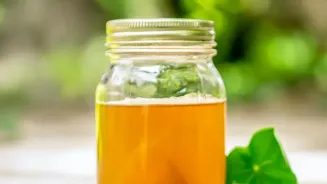
Your fermented drink is ready when it develops a tangy, slightly sour taste and may appear a little fizzy. You might also see some bubbles rising to the surface. At this point, the fermentation process has produced a host of beneficial bacteria. Once ready, you can strain the liquid and store it in the refrigerator to slow down the fermentation process. It is best enjoyed chilled. It is recommended to start with a small glass (around 100-150 ml) to see how your body responds. The leftover vegetables, like the carrots and beetroot, will have a delicious pickled flavour and can be eaten as a snack.