

The Great Indian Protein Puzzle
Many Indians, especially vegetarians, worry about getting enough protein. Surveys show that a significant portion of the population may not be meeting their daily requirements. The Indian Council of Medical Research (ICMR) recommends about 0.83 grams
of protein per kilogram of body weight for a sedentary adult, which translates to roughly 54 grams for a 65 kg person. While this number seems achievable, a typical Indian diet, often dominated by cereals like rice and wheat, can sometimes fall short, providing only 30-35 grams per day. This gap can lead to fatigue, poor muscle health, and weakened immunity.
Beyond Dal: The Myth of a Single Source
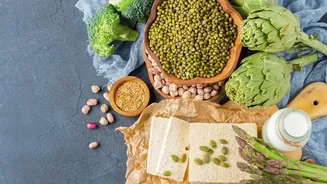
The go-to advice is often to “eat more dal.” While lentils are a fantastic source of protein, relying on just one or two food groups creates a different kind of nutritional gap. Most plant-based proteins are 'incomplete,' meaning they lack one or more of the nine essential amino acids our bodies can't produce. To form a complete protein, which is crucial for everything from muscle repair to hormone production, your body needs all nine of these building blocks. This is where the magic of food variety comes in.
The Power of Pairing: How Indian Meals Get It Right
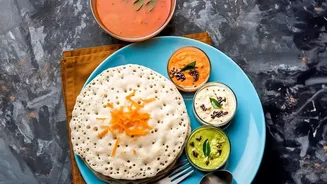
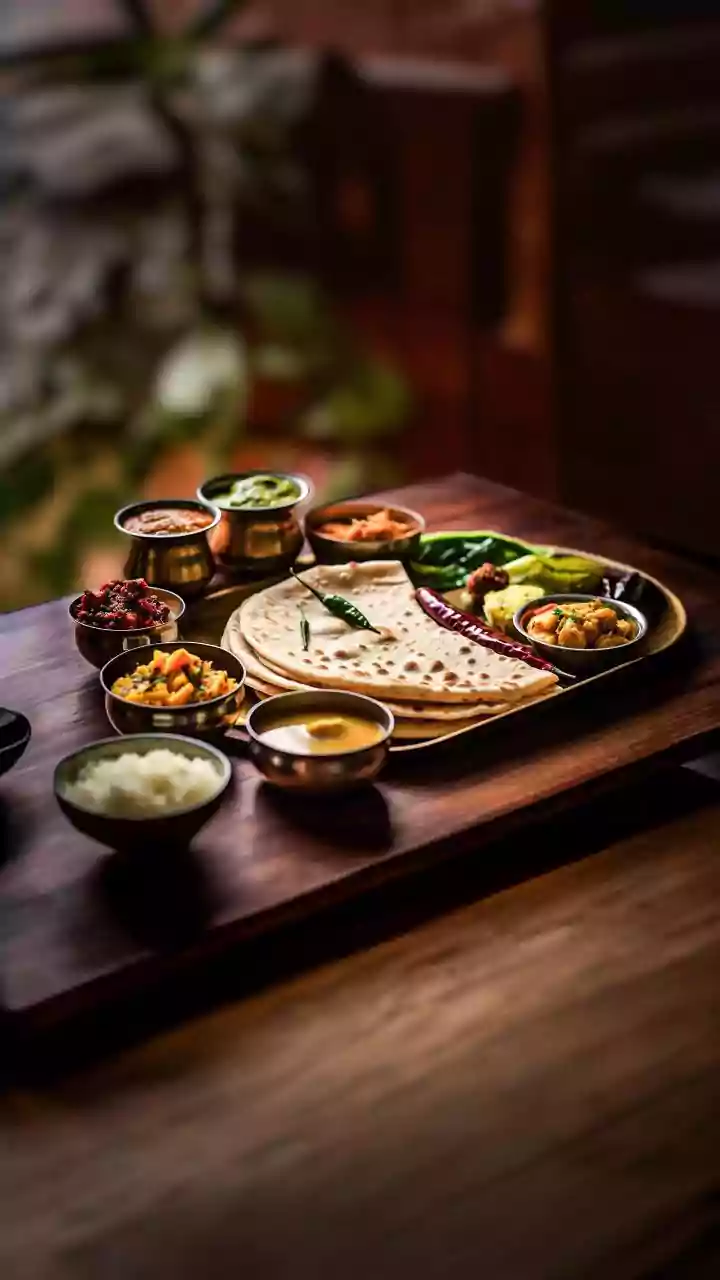
For centuries, traditional Indian meals have instinctively used a concept called 'protein complementation'. Combining different food groups in one meal creates a complete amino acid profile. The classic pairing of dal (legumes) and chawal (cereal) is a perfect example. Grains are typically low in the amino acid lysine, while lentils are rich in it. Conversely, lentils are low in methionine, which grains have in abundance. Eaten together, they provide all the essential amino acids, making the protein 'complete' and more usable by the body. The same principle applies to combinations like roti with chana, or idli/dosa (made from a ferment of rice and dal) with sambar.
A Rainbow on Your Thali
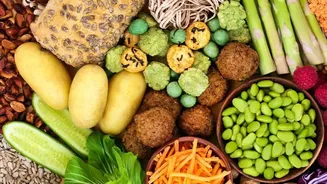
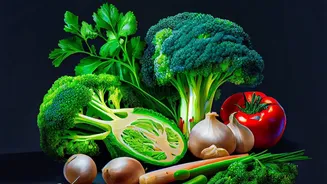
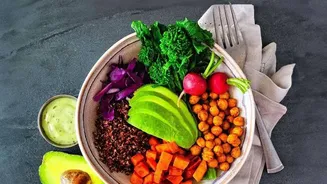
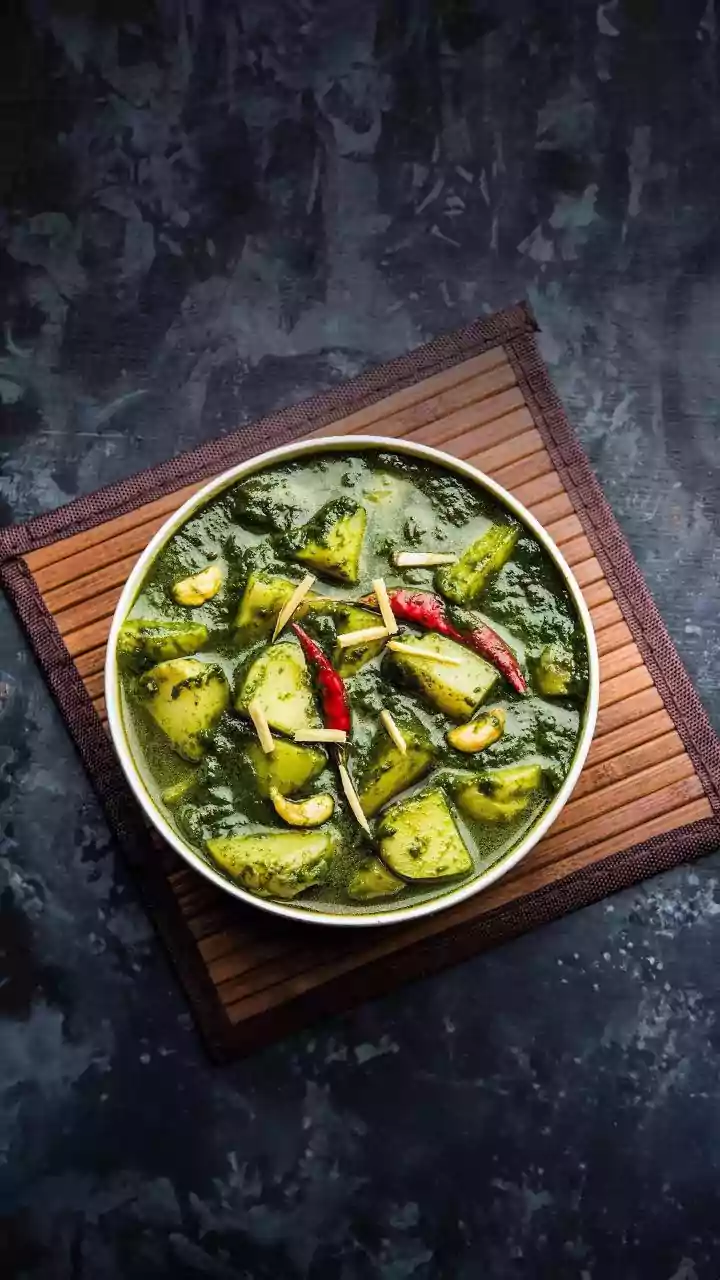
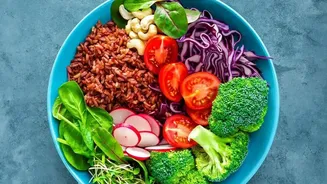
True dietary diversity goes beyond just protein. A varied plate, filled with different coloured vegetables, fruits, nuts, and seeds, ensures you’re also getting a wide array of essential micronutrients like iron, vitamin B12, zinc, and vitamin D—deficiencies of which are common in India. These vitamins and minerals are vital co-factors that help your body absorb and utilise the protein you eat. For instance, Vitamin C from a squeeze of lemon on your dal can significantly enhance the absorption of iron from the lentils. Without this supporting cast of nutrients, even a high-protein diet can be less effective.
Embracing India’s Nutritional Bounty
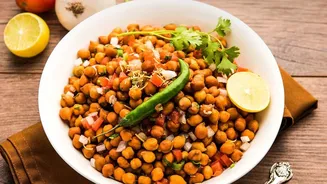
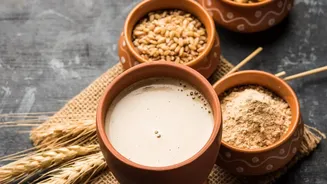
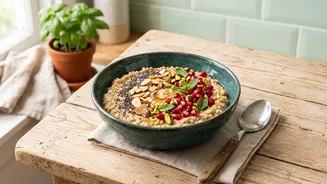
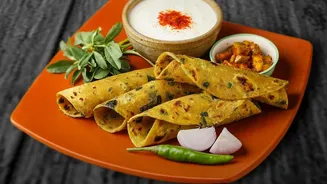
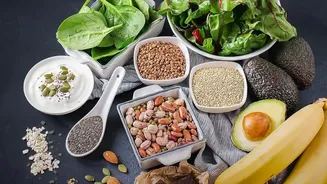
Fixing the protein gap isn't about expensive supplements, which the ICMR advises against for routine use, but about rediscovering the diversity within our own culinary heritage. Look beyond the usual suspects. Incorporate different kinds of dals, legumes like rajma and chana, and dairy like paneer and hung curd. Explore protein-rich flours like besan (gram flour) and sattu (roasted gram flour) for making chillas or drinks. Millets, nuts, and seeds like pumpkin seeds are also powerhouses of nutrition that are easy to add to your daily meals. For non-vegetarians, variety is equally important—rotating between eggs, chicken, and different types of fish provides a broader range of nutrients than sticking to just one.