





An Unpredictable Guest: The 2026 Monsoon
Planning a trip in India currently requires a look at the skies, and a reliable app. As of late June 2026, the country is experiencing a mix of extreme weather conditions. The Southwest Monsoon, after a sluggish and drier-than-usual start to the month,
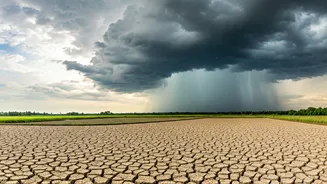
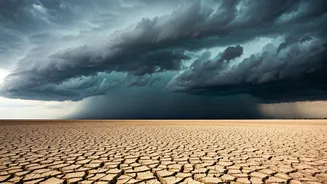
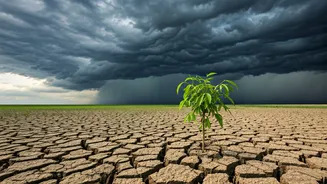
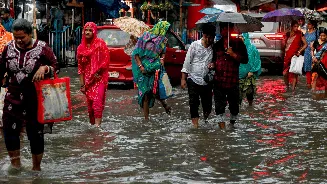
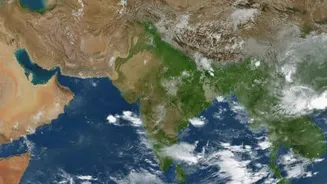
is now reviving. [17] The India Meteorological Department (IMD) expects the monsoon to advance into states like Gujarat, Madhya Pradesh, Uttar Pradesh, and Uttarakhand in the coming days. [4, 10] Meanwhile, northeastern states like Meghalaya and Assam are facing heavy to very heavy rainfall, leading to flood warnings. [3, 4] Simultaneously, parts of North India, including Delhi and Uttar Pradesh, have been grappling with severe heatwave conditions. [4, 10] This sharp contrast—floods in one region and intense heat in another—highlights why checking the specific forecast for your destination is no longer optional, but essential. [9] A stalled monsoon is not a failed one, but its revival brings its own set of challenges for travellers, from downpours to landslides, especially in hilly regions. [17, 20]
Your Pre-Booking Weather Checklist
Before you click 'book,' adopt a simple three-step weather check. First, look at the 14-day forecast to get a general sense of the weather pattern for your destination. Is it consistently rainy, or are there just scattered showers predicted? This helps in the initial planning phase. Second, about 72 hours before your trip, check the detailed forecast. Look for hourly predictions, chances of precipitation, and wind speeds. This is crucial for packing and planning activities. Finally, on the day of travel, check the 'nowcast' or live radar updates, especially for your travel route. The IMD and other reliable weather apps provide district-wise warnings that can alert you to sudden thunderstorms or heavy rain spells that could disrupt road or air travel. [7, 18] This layered approach ensures you are not caught off guard by a sudden change in weather.
Beyond the Rain Icon: Decoding the Forecast
A rain icon on a weather app tells only part of the story. To truly understand the conditions, look at the details. The percentage chance of rain indicates the likelihood of precipitation in a given area, not how long it will rain. A 30% chance might mean a brief, light shower, while an 85% chance suggests a higher probability of a downpour. [2] Pay attention to the 'feels like' temperature, which combines air temperature and humidity to give you a better idea of how hot it will actually feel. This is particularly important during heatwaves. [10] Also, check wind speeds, especially if you are heading to coastal or hilly areas, as strong gusts can make travel unsafe. [9] Hourly forecasts are your best friend for planning sightseeing, allowing you to schedule indoor activities during the hottest or wettest parts of the day.
Booking Smarter, Not Harder
In an era of unpredictable weather, flexibility is key. When booking flights and hotels, look for flexible or 'flexi' fare options. These may cost slightly more, but they allow you to change your dates or cancel with a minimal penalty, which is a worthy insurance against a washed-out trip. [8] Many booking platforms now feature filters for 'free cancellation.' Use them. Read the cancellation policy carefully before confirming your booking. For flights, especially during the monsoon, booking an early morning departure is a smart strategy. Thunderstorms and rain tend to build up in the afternoon, and morning flights are less likely to face cascading delays. [8] Also, consider travel insurance that specifically covers disruptions due to weather.
Your Digital Weather Toolkit
Having a reliable source for weather information on your phone is crucial. The official app from the India Meteorological Department, 'Mausam', provides direct access to IMD forecasts, radar images, and official warnings. [13] For a global perspective with detailed local data, apps like AccuWeather, known for its MinuteCast feature, and The Weather Channel are popular choices. [24] Windy.com offers detailed visualisations of weather models, which can be useful for tracking storms or wind patterns. [24] Some apps, like Meteored, also integrate official alerts from the NDMA (National Disaster Management Authority). [18] Choosing an app that provides real-time alerts for your specific location can help you make quick, informed decisions while on the move.