





The Allure of the Festive Diet
In India, festivals are synonymous with delicious food, family gatherings, and celebration. It's natural to want to look and feel your best. This desire fuels the popularity of 'festive diets'—highly restrictive plans that promise rapid weight loss in just
a few weeks. These diets often involve drastically cutting calories, eliminating entire food groups like carbohydrates or fats, or relying on liquid meal replacements. The appeal is understandable: they offer a clear, structured plan with the promise of quick results before a big event. However, this short-term focus is precisely why they often fail in the long run.
The Problem with Restriction
When you severely restrict your food intake, your body and mind react. Psychologically, labelling foods as 'good' or 'bad' can create a damaging cycle of guilt and anxiety. Telling yourself you 'can't' have something often increases cravings, making an eventual binge more likely. This is a normal psychological response, not a failure of willpower. Biologically, your body is wired for survival. When it senses a drastic drop in calories, it can slow down your metabolism to conserve energy, and increase hunger hormones, making it harder to lose weight and easier to regain it once the diet ends. This yo-yo effect is more common than sustained weight loss from dieting.
A Smarter Alternative: Flexible Nutrition
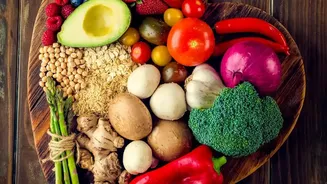
Flexible nutrition, sometimes known as flexible dieting, offers a healthier and more sustainable path. It's not a specific diet, but rather a lifestyle approach. The core idea is to move away from rigid rules and food exclusion. Instead, the focus is on moderation, balance, and overall dietary patterns. This approach often involves being aware of your overall calorie and macronutrient (protein, carbs, and fat) intake without forbidding any particular food. It teaches you that you can enjoy your favourite 'unhealthy' foods in moderation without guilt, as long as your diet is primarily composed of nutrient-dense, wholesome foods.
Building a Healthy Relationship with Food
Perhaps the greatest benefit of a flexible approach is that it helps you build a healthier, more positive relationship with food. By removing the 'good vs. bad' labels, you reduce feelings of guilt and deprivation. This fosters a mindset where all foods can fit into a healthy lifestyle, empowering you to make conscious choices rather than being driven by restriction-fueled cravings. Studies have shown that a flexible dieting approach is associated with the absence of overeating, lower body mass, and lower levels of depression and anxiety compared to rigid, restrictive methods. It's about nourishment, not punishment.
Making It Work for the Long Term
The reason flexible nutrition fosters a better long-term fitness relationship is that it's sustainable. Life includes festivals, travel, and social events where food choices are not always perfectly 'clean'. A flexible mindset allows you to navigate these situations without feeling like you've failed. You learn to balance indulgence with your regular healthy habits. To start, practice mindful eating by paying attention to your body's hunger and fullness cues. Focus on adding more nutritious foods to your diet rather than just subtracting things. And most importantly, give yourself permission to enjoy all foods as part of a balanced and joyful life.