






Choose Your Season and Stretch Wisely
Timing is everything for a budget-friendly and safe trip. The main rafting season runs from mid-September to June, but the sweet spot for fewer crowds and pleasant weather is often from October to March. Rafting is closed during the monsoon (July to mid-September)
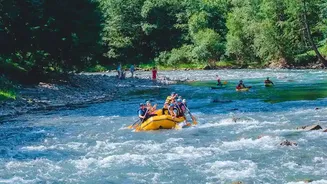
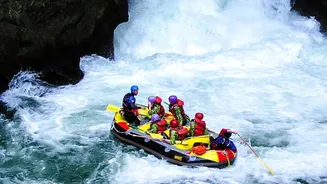
due to dangerous water levels. For beginners, the Brahmpuri to Rishikesh stretch (9 km) is perfect. It offers gentle Grade I and II rapids and is the most affordable option, typically costing between ₹400 and ₹600 per person. The popular Shivpuri stretch (16 km) offers more thrill with Grade II and III rapids and is a great step-up for adventurous novices.
Don't Let Price Be Your Only Guide
While a budget trip is the goal, the cheapest operator is not always the best. Extremely low prices (like ₹300-₹600) can be a red flag for unlicensed operators who may compromise on safety. A reputable company will be registered with the Uttarakhand Tourism Department and have certified guides trained in first aid and water rescue. Expect to pay a fair price, which for the popular 16 km Shivpuri route is typically around ₹600 to ₹1500. This price should include transport to the launch point, all safety gear, a professional guide, and permits. Always confirm what's included before booking.
Verify Your Operator and Gear
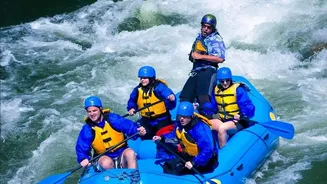
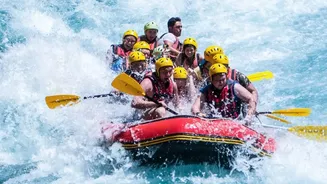
Before you hand over any money, do a quick check on the operator. Look for online reviews and ask to see their registration or license. On the day of your trip, inspect the equipment. The life jackets should be certified Personal Flotation Devices (PFDs) that fit snugly, and the helmets should be sturdy and secure. The rafts themselves should be well-maintained. A professional operator will conduct a thorough safety briefing before you even get near the water, explaining paddling commands and what to do if you fall in. This briefing is a key indicator of a professional and safe operation.
Dress for the Water, Not the Weather
What you wear can significantly impact your safety and comfort. Avoid cotton clothing at all costs; it absorbs water, gets heavy, and will make you cold. Instead, opt for quick-drying synthetic materials like polyester or nylon T-shirts and shorts. For footwear, choose sturdy sandals with a backstrap or water shoes. Flip-flops are a definite no, as they will come off your feet instantly. On colder days, many operators provide wetsuits. Also, don't forget to apply waterproof sunscreen, as the sun reflecting off the water can be intense.
Listen to Your Guide – No Exceptions
Your river guide is the most important safety feature on your trip. They are trained professionals who know the river's currents and rapids intimately. Listen carefully to their pre-trip briefing and obey their commands on the water without hesitation. They will tell you when to paddle forward, when to brace, and how to position yourself in the raft for stability. Following their instructions is crucial for navigating rapids safely and preventing the raft from capsizing. Even if you're a strong swimmer, their expertise is what ensures the group's safety.
Know What to Do If You Fall In
Falling out of the raft can be startling, but it's rarely dangerous if you follow instructions. The first rule is: do not panic. Your life jacket will keep you afloat. Try to get into the 'white water floating position' – lie on your back with your feet pointed downstream. This allows you to see where you are going and use your feet to fend off any rocks. Do not try to stand up in a fast-moving current. Hold onto the rescue rope on the side of your raft or the throw rope your guide will extend to you. Trust your gear and your guide to get you back into the boat safely.
Pack Smart: What to Bring and What to Leave
You won't need much on the raft itself. Most operators provide a dry bag for essential small items. It's best to leave valuables like jewellery, wallets, and non-waterproof electronics at your hotel or in the operator's office. If you want to take photos, use a waterproof camera or a phone in a secure waterproof case. A change of clothes and a towel for after the trip are essential. Staying hydrated is also important, so carry a water bottle if your operator doesn't provide water.