







Ease Back In, Don't Rush
Your body has likely been less active for a few months. Jumping back into your old 5-kilometre route is a recipe for injury. The key is to start slowly. Begin with shorter, 15- to 20-minute walks at a comfortable pace. A well-established guideline is to increase
your activity by no more than 10 percent each week. This gradual approach allows your muscles, joints, and cardiovascular system to readapt without being overwhelmed, preventing common issues like shin splints or plantar fasciitis. Think of the first couple of weeks as re-establishing the habit, not breaking records.
Invest in the Right Post-Monsoon Gear
The ground is no longer just wet; it's a minefield of slippery tiles, mossy patches, and hidden puddles. Your regular shoes might not cut it. Invest in footwear with good grip. Look for shoes with deep-patterned rubber outsoles or trail walking shoes, which are designed for traction on uneven, wet surfaces. Many brands now offer excellent waterproof yet breathable options. Also, opt for quick-drying, synthetic fabrics for your clothes instead of cotton, which stays wet and can feel heavy. A lightweight, brightly coloured windcheater is also a good idea for visibility on misty mornings.
Prioritise Safety on Your Route
Post-monsoon mornings come with their own set of challenges. Walkways can be damaged or covered in debris. Be mindful of your surroundings; avoid walking through stagnant water which can hide open drains or sharp objects. The damp environment is also a breeding ground for insects like mosquitoes, so using a good repellent is wise. Be particularly cautious on slopes or uneven paths that may have become unstable after heavy rains. If possible, stick to well-lit and familiar routes for the first few weeks as you get back into your rhythm.
Rebuild the Habit, Not Just the Kilometres
The biggest hurdle isn't physical; it's mental. After a long break, finding motivation can be tough. Re-anchor the habit into your daily schedule. Setting out your walking clothes the night before can make a big difference. Consider finding a walking buddy; having someone to hold you accountable makes it harder to skip. And remember why you started: a morning walk isn't just exercise. It’s a chance to clear your head, boost your mood with natural sunlight, and set a positive, energetic tone for the rest of the day.
Listen to Your Body and Stretch
When you restart any physical activity, it's crucial to distinguish between normal muscle soreness and pain that signals an injury. Mild soreness that eases after a day or two is normal. Sharp, persistent pain in a specific area is not. Always take a few minutes before your walk for a dynamic warm-up, like leg swings and arm circles, to prepare your muscles. After your walk, dedicate five to ten minutes to static stretching, focusing on your calves, hamstrings, and quadriceps. This improves flexibility and can help prevent injuries like Achilles tendonitis.
Embrace the Beauty of the New Season
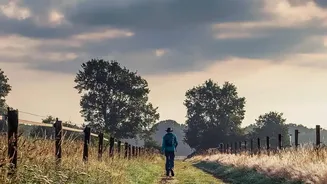
Finally, make it enjoyable! The post-monsoon landscape has a unique beauty. The air is cleaner, the foliage is a vibrant green, and there’s a fresh, earthy smell everywhere. Instead of plugging in your earphones, take some time to connect with your surroundings. Notice the birds, the flowers, and the feel of the cool morning air. Reframing your walk from a chore to a cherished ritual—a time for yourself to de-stress and appreciate nature—is the most powerful tool for making it a lasting habit.