

The Green Myth's Origin
The idea that houseplants can scrub the air clean isn't just wishful thinking; it has roots in a famous 1989 NASA study. Researchers, looking for ways to purify air in sealed space stations, found that certain plants could indeed remove harmful volatile
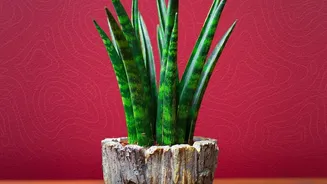
organic compounds (VOCs) like formaldehyde and benzene from small, sealed chambers. The results were impressive—some plants removed significant percentages of pollutants within 24 hours. This fascinating discovery quickly grew into a popular wellness fact: fill your home with plants for fresher, cleaner air. Stores and blogs have promoted lists of "air-purifying" plants ever since, with species like the snake plant, peace lily, and spider plant becoming household heroes. The interpretation was simple and appealing, but it missed a few crucial details about the original experiment's context.
The New Reality Check
Recent scientific reviews have put this popular belief to the test, and the findings are a reality check for plant parents. The main issue is one of scale and environment. The NASA study was conducted in small, airtight chambers, which have little in common with a typical home or office. Our homes are much larger and are not sealed; they have constant air exchange with the outdoors, a process called ventilation. A comprehensive 2019 review by researchers at Drexel University analyzed decades of studies and concluded that natural ventilation dilutes indoor pollutants far more quickly and effectively than plants can absorb them. The rate at which plants remove these chemicals from the air is simply too slow to make a significant difference in a normal, ventilated room where new pollutants are also being continuously introduced.
The Numbers Game
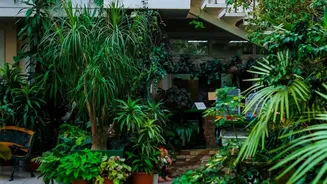
So, how many plants would it actually take to purify the air in your home? This is where the myth really unravels. According to the Drexel University review, you would need an astonishing number of plants to replicate the results seen in lab chambers. The study estimated that to achieve a meaningful reduction in airborne pollutants, you'd need to place between 10 and 1,000 plants for every square metre of floor space. To put that in perspective, turning your 150-square-foot living room into an effective air-purifying zone would require you to house a dense jungle of at least 140 plants, and possibly many more. For most people, that's not just impractical—it's impossible.
Don't Abandon Your Plants Yet
Does this mean your beloved houseplants are useless? Absolutely not. While their air-purifying powers have been overstated, their benefits for human well-being are very real and scientifically supported. Studies have shown that being around indoor plants can reduce stress, improve your mood, lower anxiety, and even boost focus and productivity. Some research even suggests they can reduce indoor dust by up to 20%. Plants also release water vapour through transpiration, which can help increase indoor humidity, a welcome effect in dry, air-conditioned environments. Their greatest contribution might be psychological—the simple act of nurturing a living thing and bringing nature indoors has a powerful, positive impact on our mental health.
Better Ways to Clear the Air
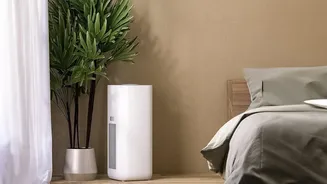
If you're serious about improving indoor air quality, especially in Indian cities where outdoor pollution is a major concern, it's best to focus on more effective methods. The most crucial step is ventilation—opening windows and doors to allow fresh air to circulate, especially when outdoor AQI levels are low. Using exhaust fans in kitchens and bathrooms is critical to remove pollutants at their source. For a more robust solution, investing in a high-quality air purifier with a HEPA filter is the most effective way to remove airborne particles, including the dangerous PM2.5 common in urban India. Finally, being mindful of indoor pollution sources, such as opting for low-VOC paints and cleaning products, can also make a significant difference.