




A Staple Sheds its Skin
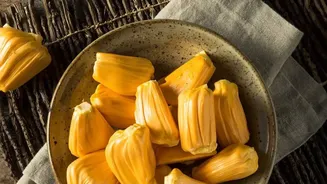
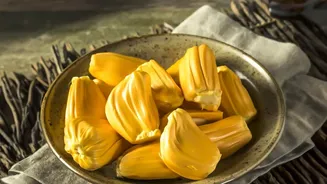
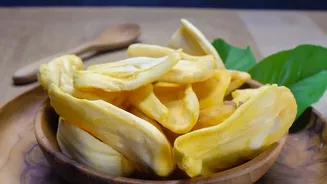
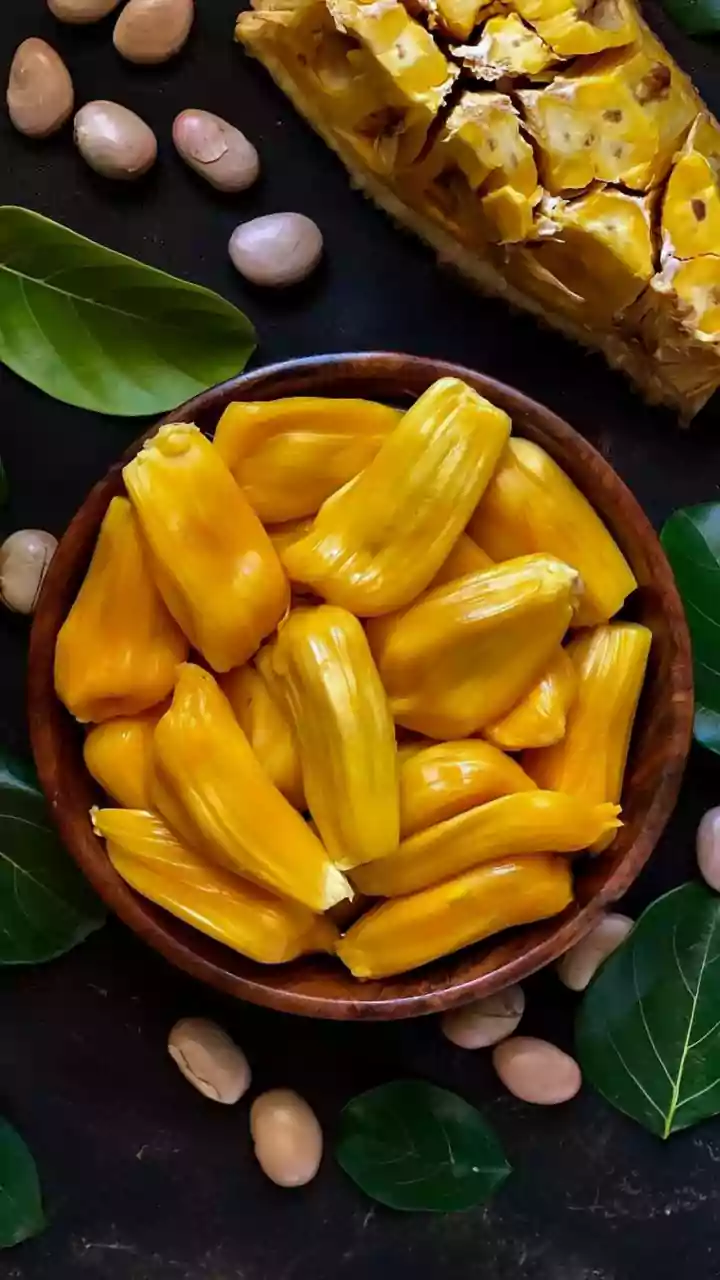
For generations in Kerala, the jackfruit, or 'chakka', was a symbol of abundance. It was a versatile fruit that found its way into countless dishes, from savoury curries made with its raw flesh to sweet desserts when ripe. Traditionally, a single, enormous
fruit could feed a family for days. However, its sheer size and the messy, sticky process of cutting it made it less practical for smaller families in city homes with compact kitchens. For a time, it was seen as a nuisance, with excess fruit often going to waste. But now, perceptions are shifting dramatically as a new generation rediscovers its potential, not just for its taste, but for its incredible health benefits.
The Modern Superfood Appeal
The resurgence of jackfruit is closely tied to the growing health consciousness among urban Indians. The fruit is a nutritional powerhouse. It is packed with vitamins like A, C, and B6, along with essential minerals such as potassium and magnesium. Its high fibre content aids digestion and promotes a feeling of fullness, which can support weight management. Furthermore, unripe jackfruit has a low glycemic index compared to staples like rice or wheat, making it an excellent food for managing blood sugar levels. As city dwellers look for healthier, more natural food options, jackfruit fits the bill perfectly, transforming from a simple backyard fruit into a coveted superfood.
Traditional Tastes, Convenient Forms
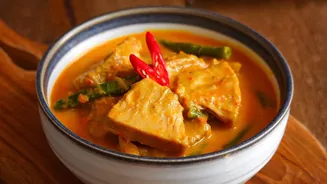
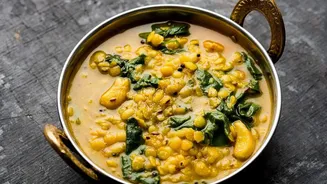
One of the biggest drivers of jackfruit's newfound popularity is its increased accessibility. The daunting task of preparing a whole jackfruit is no longer a barrier. Companies now offer a wide range of ready-to-cook and packaged jackfruit products. Urban consumers can easily find pre-cut raw jackfruit, frozen portions, and even jackfruit flour online and in supermarkets. This convenience allows busy professionals and small families to enjoy classic Kerala dishes like 'chakka puzhukku' (mashed jackfruit) or 'chakka thoran' (stir-fry) without the traditional hassle. These ready-made options bridge the gap between a desire for traditional flavours and the realities of a fast-paced modern lifestyle.
The Global Vegan Wave Arrives Home
Globally, unripe jackfruit has gained fame as a popular plant-based meat substitute, celebrated for its fibrous texture that mimics pulled pork or shredded chicken. This trend has come full circle, influencing its perception back home in India. While North Indian cuisine has long used 'kathal' in savoury dishes, its identity as a versatile meat alternative is now being embraced more widely. Young, urban Indians, including a growing number of vegans, vegetarians, and flexitarians, are experimenting with jackfruit in everything from biryanis and burgers to tacos. This fusion of global trends with local ingredients has given the fruit a modern, aspirational identity.
A Bite of Nostalgia
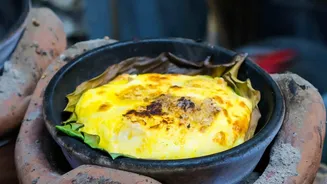
Beyond the health benefits and convenience, there is a powerful element of nostalgia at play. For many living in bustling cities, far from their ancestral homes, the taste of jackfruit evokes cherished memories of childhood and family gatherings. Preparing a jackfruit dish is more than just cooking; it is a way to reconnect with their cultural roots. The aroma of a simmering 'chakka curry' can transport someone from a high-rise apartment in Mumbai or Bengaluru straight back to a grandparent's kitchen in Kerala. This emotional connection provides a sense of comfort and identity, making the fruit's revival as much about heritage as it is about health.