




The New Green in the Break Room
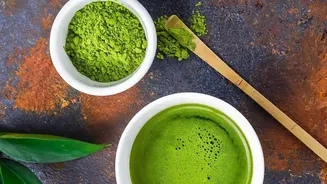
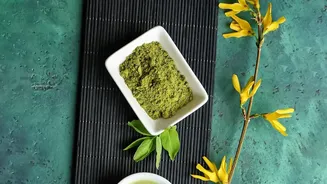
Walk through a bustling co-working space in Mumbai or Bengaluru, and you'll see the usual spread of coffee machines and chai flasks. But look closer, and you'll spot a new contender: a bright green, frothy beverage being whisked up in mugs. This is matcha,
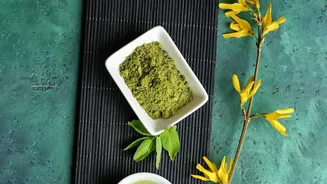
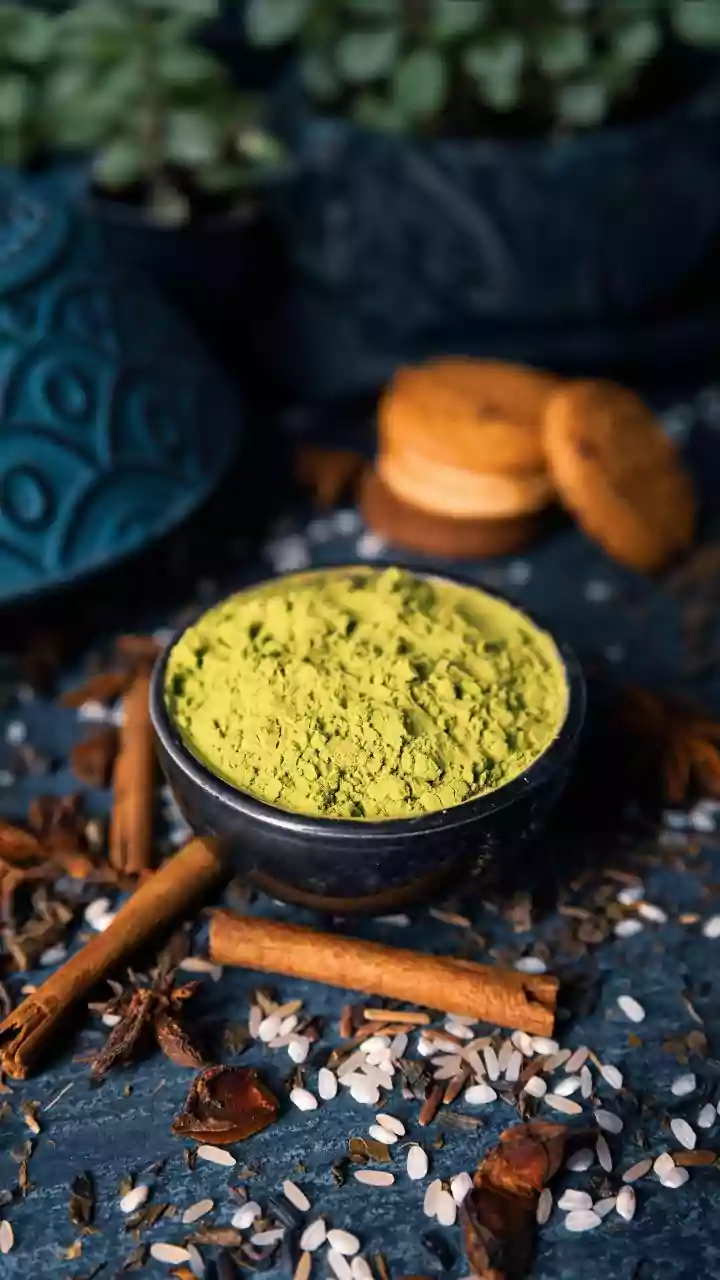
a finely ground powder of specially grown and processed green tea leaves, and it's quickly becoming the productivity drink of choice for a new generation of workers. Co-working spaces, as hubs of innovation and wellness-focused professionalism, are the natural epicentre for this trend. Professionals are actively seeking ways to optimise their mental performance, and matcha fits the bill as a sophisticated, health-conscious alternative to traditional caffeinated drinks.
The Science of a Smoother Buzz
So, what makes this whisked green tea so special? The magic lies in a unique combination of two compounds: caffeine and L-theanine. While coffee provides a strong, fast-acting dose of caffeine that blocks sleepiness-inducing adenosine receptors in the brain, it can also lead to jitters, anxiety, and the dreaded crash. Matcha contains caffeine too, but typically less than coffee. More importantly, it is rich in L-theanine, an amino acid that promotes relaxation and calmness without causing drowsiness. This pairing creates what many describe as a state of 'calm alertness.' The L-theanine counteracts the harsh, jittery effects of caffeine, resulting in a smooth, sustained boost of focus that can last for hours.
Why You Don't 'Crash' on Matcha
The infamous afternoon coffee crash happens when the effects of caffeine wear off, causing the built-up adenosine to flood your system all at once, leading to a sudden wave of tiredness. Blood sugar spikes from sugary coffee drinks can also contribute to this energy dip. Matcha works differently. The L-theanine not only moderates the stimulating effects of caffeine but also helps ensure its slower absorption into the bloodstream. This leads to a gentle rise in energy and a similarly gentle decline, preventing the jarring crash. The result is a steady stream of focus that helps you power through your afternoon tasks without feeling depleted later.
More Than a Drink, It's a Ritual
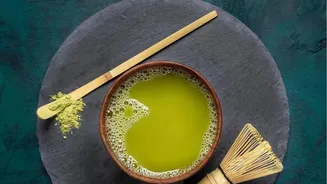
Part of matcha's appeal, especially in a fast-paced work environment, is the ritual of its preparation. Unlike popping a coffee pod into a machine, making matcha traditionally involves whisking the fine powder with hot water using a bamboo whisk, called a 'chasen.' This mindful, two-minute process can serve as a deliberate pause in the day, a moment to reset and centre oneself before diving back into work. This ritualistic aspect aligns perfectly with the growing emphasis on mental wellness and mindfulness in modern workplaces, turning a simple beverage break into a moment of focused calm.
How to Get Started with Matcha
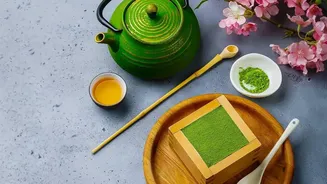
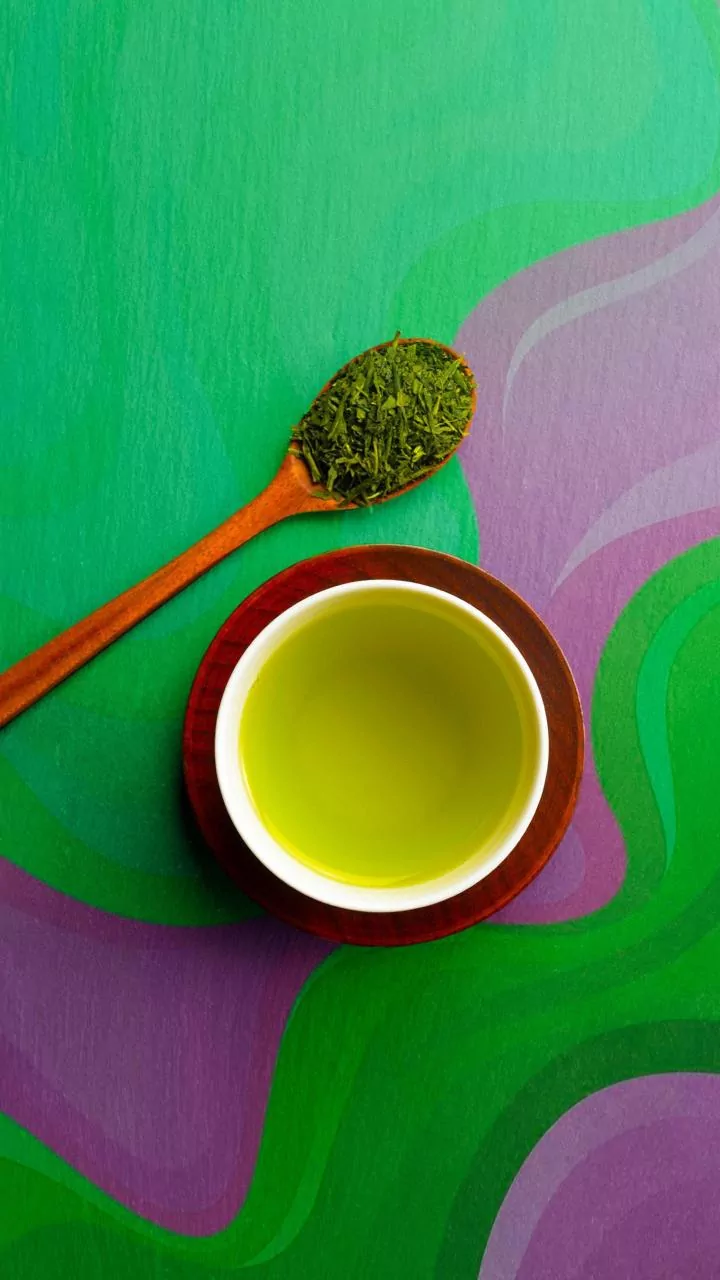
Curious to try it for yourself? Getting started is simple. When buying matcha, look for 'ceremonial grade' for the best flavour and smoothest texture, as it's made from the youngest tea leaves. Culinary grade is better suited for baking and smoothies. To prepare it, you don't need a full tea ceremony set. Simply sift about a teaspoon of matcha powder into a mug to remove clumps. Add a small amount of hot (not boiling, around 80°C) water and whisk vigorously in a 'W' or 'M' pattern until a fine foam appears on the surface. Top up with more hot water or steamed milk for a latte, and enjoy. The taste is often described as vegetal or umami, and it can be an acquired taste, but its benefits for focus are hard to ignore.