



Why Brew Your Own?
The kombucha craze has firmly taken hold in India, with artisanal brands lining the shelves of health food stores and supermarkets. But this wellness habit comes at a steep price. The real joy of kombucha, however, lies not just in drinking it, but in making
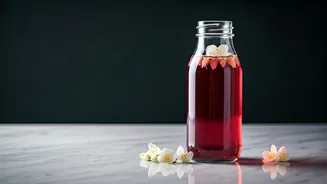
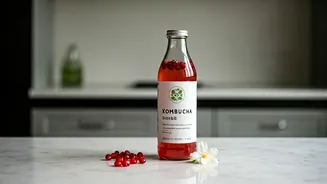
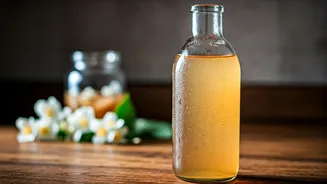
it. Brewing at home transforms a pricey store-bought drink into an incredibly affordable hobby. For the cost of one or two commercial bottles, you can buy the ingredients to create litres of your own. Beyond the savings, you get complete control. You decide the sweetness, the strength of the tang, and most importantly, the flavours. No more settling for standard ginger or lemon when you can be creating exotic fusions like the jasmine and pomegranate version we’re about to make. It’s a rewarding kitchen science project that results in a delicious, probiotic-rich beverage tailored exactly to your taste.
Your Kombucha Starter Kit
Before you start, you’ll need a few key things. Don’t be intimidated; most are common kitchen items. **Equipment:** - A large glass jar (3-4 litres is ideal) - A breathable cloth cover (like muslin or a clean tea towel) and a rubber band - Fermentation-safe, airtight bottles for the second fermentation (swing-top glass bottles work best) **Ingredients:** - **SCOBY and Starter Tea:** The SCOBY (Symbiotic Culture Of Bacteria and Yeast) is the heart of your kombucha. It looks like a rubbery, pancake-like disc. You can buy one online, get a piece from a friend who brews, or even grow your own from a bottle of unpasteurised, unflavoured store-bought kombucha. It must come with at least one cup of starter tea (strong, mature kombucha) to get your first batch going. - **Tea:** 8 bags of plain black or green tea (or a mix). - **Sugar:** 1 cup of plain white sugar. The SCOBY consumes this, so very little is left in the final product. - **Water:** 3-4 litres of filtered water. - **For Flavouring:** 1 cup of pure pomegranate juice and 2-3 bags of high-quality jasmine green tea.
Step 1: The First Fermentation (F1)
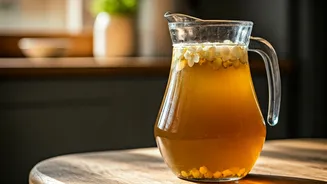
This is where you make the base kombucha. It's a simple process of making sweet tea and letting the SCOBY work its magic. 1. **Brew the Tea:** Bring 1 litre of filtered water to a boil. Remove from heat, add the 8 tea bags and 1 cup of sugar. Stir until the sugar is completely dissolved. Let it steep for 10-15 minutes. 2. **Cool it Down:** Remove the tea bags and pour the sweet tea concentrate into your large glass jar. Top it up with the remaining cool, filtered water. It is absolutely crucial that the tea is at room temperature before you proceed. Hot tea will kill your SCOBY. 3. **Add the Culture:** Gently place your SCOBY into the jar, along with the starter tea. The SCOBY might float, sink, or hover somewhere in between—all are normal. 4. **Cover and Wait:** Cover the jar with your breathable cloth and secure it with a rubber band. This keeps out dust and pests while allowing air to circulate. Place the jar in a warm, dark place (like a kitchen cabinet) away from direct sunlight for 7 to 14 days. After a week, you can start tasting it. The longer it ferments, the more vinegary it will become. Once it reaches a taste you like (a balance of sweet and tart), you’re ready for the next step.
Step 2: Flavour and Fizz (F2)
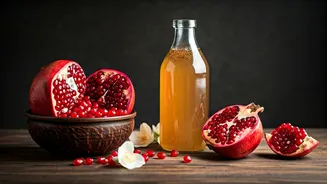
The second fermentation is where you add flavour and create that signature fizz. 1. **Prepare the Flavour:** Brew a small, strong cup of jasmine tea using the 2-3 tea bags and about 200ml of hot water. Let it cool completely. 2. **Bottle It:** Gently remove the SCOBY from your jar along with about 1-2 cups of the kombucha to use as starter tea for your next batch. Pour the remaining kombucha into your airtight glass bottles, leaving about two inches of headspace at the top. 3. **Add the Flavour:** Add a splash of the cooled jasmine tea and about 1/4 cup of pomegranate juice to each bottle. The natural sugars in the juice will feed the yeast to create carbonation. 4. **Seal and Ferment:** Seal the bottles tightly and leave them at room temperature for 2-7 days. The warmer the room, the faster it will carbonate. ‘Burp’ the bottles once a day by briefly opening the cap to release excess pressure and prevent explosions. When it’s as fizzy as you like, move the bottles to the refrigerator to stop the fermentation process.