


The Golden Bridge Between Old and New
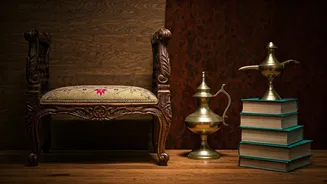
Brass has a unique ability to connect our rich heritage with modern aesthetics. For centuries, it has been a staple in Indian households, present in everything from intricate puja items to everyday utensils. This long history gives it a sense of permanence
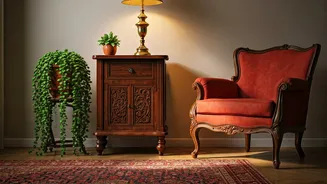
and cultural depth. In a modern context, this doesn't translate to a dated look. Instead, brass acts as a bridge, infusing minimalist or contemporary spaces with a story and a warm, inviting glow that can prevent modern designs from feeling too sterile. It effortlessly suits various decor styles, whether minimalist, maximalist, or a fusion of both, making it exceptionally adaptable.
Start Small with Strategic Accents
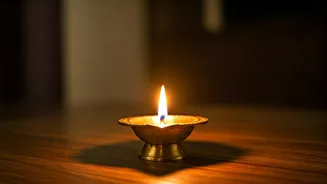
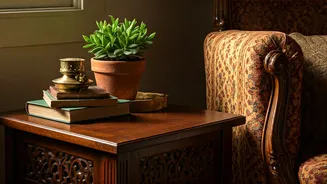
Incorporating brass doesn’t require a complete overhaul. The key is to start with small, thoughtful touches that add a layer of sophistication. Think of these accents as the jewellery for your home. You can swap out plain cabinet handles, drawer knobs, or door pulls for brass ones to instantly elevate a kitchen or wardrobe. On a smaller scale, items like brass photo frames, decorative bowls for keys, or elegant T-light holders can bring a quiet charm to a coffee table or entryway console. These subtle details catch the light and add visual interest without overwhelming the space, blending functionality with beauty.
Make a Bold Statement
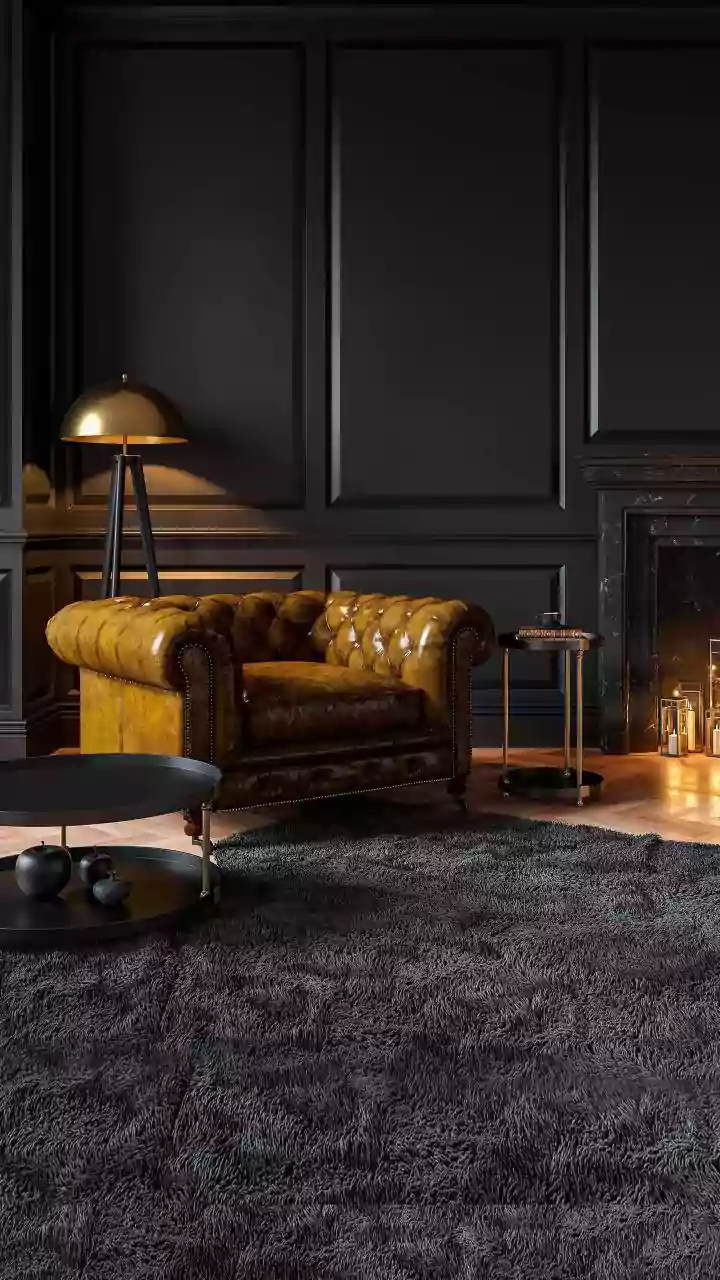
For those ready to embrace the trend more fully, brass can be used to create stunning focal points. A large, sculptural brass floor lamp or a chandelier can anchor a living room, adding both light and artistry. Consider a coffee table with brass legs or a mirror with a striking brass frame to serve as a centrepiece. In India, traditional items like a brass urli, once used for cooking, can be repurposed as a beautiful decorative bowl filled with water and flower petals in a modern lobby or living area. These larger pieces work well because they have a functional role, allowing them to define a space rather than just decorate it.
Understanding Finishes and Pairings
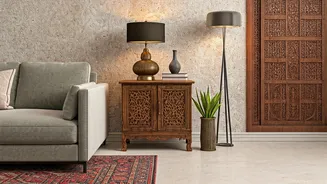
Not all brass is the same. The finish you choose can dramatically alter the mood. Polished brass is bright and reflective, offering a high-shine, glamorous look. Satin or brushed brass is more matte and modern, with a soft glow that hides fingerprints well, making it practical for high-touch areas. Antique or aged brass has a darker, time-worn patina that’s perfect for adding character and a vintage feel. Brass pairs beautifully with a range of materials; its warmth is enhanced when set against natural wood, marble, or stone. Colour-wise, it pops against deep jewel tones like emerald green and navy blue, but also creates a classic, clean look when paired with neutral whites and greys.
Mixing Metals with Confidence
An old design rule once forbade mixing metals, but today’s designers embrace it to create layered, curated interiors. The key to success is to choose a dominant metal and use others as accents. Brass, with its warm tone, can be your primary metal, complemented by cooler tones like matte black or stainless steel. For example, you could have brass light fixtures and decorative objects, paired with black cabinet hardware or window frames. This contrast creates a dynamic and sophisticated palette that feels intentional rather than haphazard. A good rule of thumb is to stick to two or three metal tones in a single room to maintain a sense of balance.
Caring for Your Brass
The longevity of brass is one of its most appealing qualities. How you care for it depends on the finish. Lacquered brass has a protective coating and just needs a simple wipe-down with a soft cloth. Unlacquered brass, often called a 'living finish', is designed to age and develop a natural patina over time, which adds to its character. If you prefer to maintain the original shine of unlacquered brass, it can be polished. For general cleaning, a simple mix of mild soap and water is usually sufficient to keep your brass decor looking its best.