







A New Generation of Conscious Consumers
Younger demographics, specifically Millennials and Gen Z, are driving a significant shift in consumer behaviour. Unlike previous generations, they don't just buy products; they buy into the values and purpose behind a brand. In India, this generation is increasingly
concerned with sustainability, fair labour practices, and transparency. They are more likely to support companies that can prove their positive environmental and social impact. This values-driven approach means they actively seek information about where their products come from. For these digital natives, a purchase is an expression of their identity, and they are willing to pay more for brands that align with their personal ethics. This has created a market where authenticity isn't just a bonus—it's a core expectation.
The Allure of a Single Origin
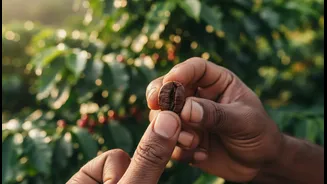
The term 'single-origin' signifies that the coffee beans come from a single, specific location, be it a country, region, or even a single farm. This provides traceability, which is a key component of ethical storytelling. Unlike blends, which mix beans from various places to achieve a consistent flavour, single-origin coffee offers a unique taste profile that reflects its specific 'terroir'—the soil, climate, and altitude where it was grown. This uniqueness allows roasters to build a specific narrative around the coffee's origin. They can introduce consumers to the exact farm, the community that grew the beans, and the specific conditions that make that coffee special, creating a direct connection between the farmer and the drinker.
The Power of Brand Storytelling
In a crowded market, a good story is a powerful differentiator. Stories create an emotional connection that facts and figures alone cannot. Research has shown that consumers are more likely to remember and feel loyal to brands that tell compelling stories. For coffee roasters, ethical sourcing provides a rich narrative. They can talk about paying fair prices to farmers, supporting community development projects, or using environmentally friendly farming methods. These aren't just marketing claims; they are tangible actions that resonate with the values of young buyers. By framing the purchase not just as a transaction but as a contribution to a better system, brands build a loyal following that feels good about where their money is going.
From Fair Trade to Direct Relationships
There are several ways roasters communicate their ethical commitments. Certifications like Fair Trade, Rainforest Alliance, and Organic are common indicators. Fair Trade ensures farmers receive a minimum price, protecting them from market volatility, while the Rainforest Alliance certification focuses on environmental sustainability and biodiversity. However, many specialty roasters are moving towards 'direct trade'. This approach involves building long-term relationships directly with farmers, cutting out intermediaries. This often results in higher quality coffee and better pay for producers. While not a formal certification, direct trade allows roasters to offer unparalleled transparency, sharing detailed stories and photos from their farm visits, which powerfully demonstrates their commitment to ethical practices firsthand.
The Future of Coffee is Transparent
The trend of highlighting ethical sourcing is more than just a marketing tactic; it's a reflection of a fundamental shift in the coffee industry in India and globally. As young consumers continue to demand more from the brands they support, transparency will become non-negotiable. Indian specialty roasters are increasingly highlighting beans from specific estates in regions like Chikmagalur, Araku Valley, and Kodagu, complete with stories about the farmers and their sustainable practices. This not only appeals to the ethical concerns of buyers but also elevates the perception of Indian coffee on the world stage. Brands that successfully weave these narratives of origin, ethics, and quality into their identity are the ones poised to capture the loyalty of the next generation of coffee drinkers.