




The Right Foundation: Pots and Soil
The first step to a successful balcony garden is choosing the right home for your plants. Opt for terracotta or clay pots, as they are porous and allow roots to breathe, preventing waterlogging which herbs dislike. Ensure every pot has at least one drainage
hole at the bottom. When it comes to soil, don't just use regular garden mud, which can become dense and compact. A high-quality potting mix is crucial. Create a light, well-draining mixture by combining garden soil, compost, and cocopeat. This blend retains adequate moisture without becoming soggy, providing the perfect environment for healthy roots.
Sunlight: Finding the Sweet Spot
Most herbs need a good amount of sunlight to flourish, typically between four to six hours daily. Before you place your pots, observe your balcony throughout the day to identify the sunniest spots. An east or south-facing balcony is often ideal, providing ample morning light without the harshness of the Indian afternoon sun, which can scorch delicate leaves. If your balcony is very sunny, some plants might need partial shade during peak heat. For less sunny balconies, you can still succeed by choosing herbs that tolerate lower light or by placing reflective surfaces to bounce light towards your plants.
Growing Basil: The Aromatic Staple
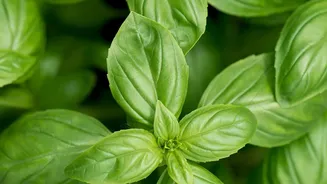
Basil, a close cousin of the sacred Tulsi, loves warmth and sun. It needs at least six to eight hours of sunlight to produce flavourful, lush leaves. Plant it in a pot that’s about 8-10 inches deep to give its roots space. The key to a bushy basil plant is regular harvesting. Once the plant has a few sets of leaves, pinch off the top set. This encourages the plant to branch out, creating a fuller shape instead of a single, tall stem. Regularly removing any flower buds that appear will also direct the plant's energy into producing more leaves. Water when the top inch of soil feels dry, ensuring it's moist but not waterlogged.
Mastering Mint: The Prolific Pudina
Mint, or pudina, is famously easy to grow and perfect for beginners. In fact, its biggest trait is its aggressive growth; it spreads quickly, which makes it ideal for container gardening where its spread is naturally controlled. It's best to give mint its own pot to prevent it from taking over other herbs. Unlike basil, mint prefers partial shade, especially during hot Indian summers, and thrives in soil that is consistently moist. Don't let the soil dry out completely. Regular trimming from the top will encourage it to grow bushier, giving you a steady supply for your chutneys, raitas, and refreshing drinks.
Lemongrass Lessons: Your Chai Companion
Having fresh lemongrass for your tea is a simple luxury. This herb loves full sun, so give it the sunniest spot on your balcony—at least six hours a day is perfect. You can easily start a plant from stalks bought at the grocery store. Just place the bottom few inches of the stalks in a glass of water, and roots should appear in a couple of weeks. Once rooted, plant them in a large, wide pot filled with rich, well-draining soil. Lemongrass is a thirsty plant, so keep the soil consistently moist. To harvest, cut the outer stalks at the base when they are about a foot tall, leaving the inner core to continue growing.
Watering, Pests, and Ongoing Care
The most common mistake in container gardening is overwatering. Always check the soil before you water. A simple rule is the 'finger test': stick your finger an inch into the soil. If it feels dry, it's time to water. If it's moist, wait another day. During monsoon season, you'll need to water less frequently. For pests like aphids, a simple spray of neem oil mixed with water is an effective and natural solution. Remember to harvest your herbs regularly, even if you don't need them immediately. Pruning encourages new, bushy growth and ensures a continuous supply of fresh flavours.