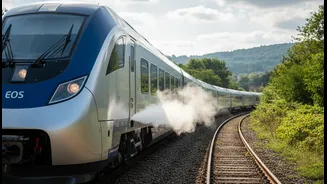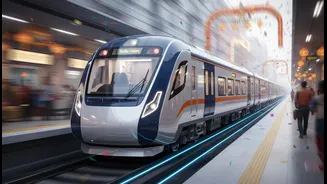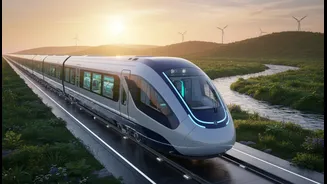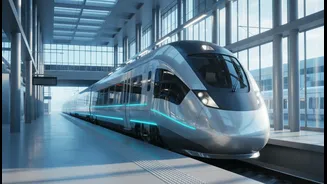







The Dawn of Hydrogen-Powered Travel
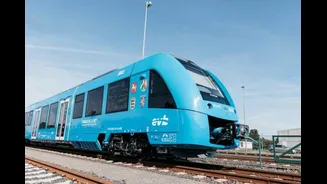
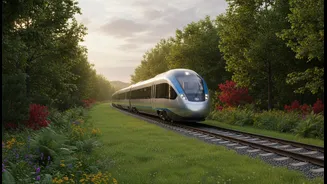
Indian Railways is on the verge of a major breakthrough in sustainable transport with the introduction of its first hydrogen-powered train. Set to be inaugurated on July 17, 2026, this indigenously developed train represents a significant leap towards
the nation's goal of achieving net-zero carbon emissions by 2030. The first of these trains will begin commercial service on the Jind-Sonipat route in Haryana. Unlike conventional diesel trains, this new generation of rail travel uses hydrogen fuel cells, which combine hydrogen and oxygen to produce electricity. The only byproduct of this process is water vapour, making it a completely smoke-free and pollution-free mode of transport. This move places India in an elite group of nations, including Germany and Japan, that are harnessing hydrogen to power their railways.
More Than Just a Green Ride
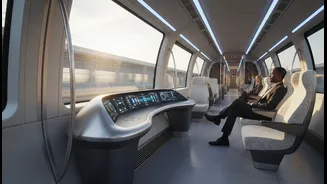
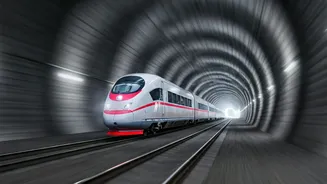
The benefits of these new trains extend far beyond their environmental credentials. For passengers, they promise a significantly improved travel experience. The hydrogen technology results in a much quieter and smoother journey. The first train on the Jind-Sonipat section, for example, is expected to cut the travel time from two hours to just one. Designed and built in India, the ten-coach train features modern amenities and has a capacity for around 2,600 passengers. During its extensive trial runs, the train was tested at speeds of up to 120 kmph, though it will operate at a more modest 75 kmph on its initial route. The initial fares announced for the pilot route are also highly affordable, signalling a commitment to making this clean technology accessible to all.
Reimagining the Weekend Getaway
This technological shift aligns perfectly with the evolving preferences of young Indian travellers. Studies show that Gen Z and Millennials increasingly prioritise sustainable and authentic experiences. For this generation, a trip’s environmental impact is a growing consideration. The prospect of a zero-emission train journey to a popular weekend spot is a powerful draw. Imagine swapping a stressful, traffic-filled drive out of Delhi or Mumbai for a swift, silent train ride. While the first route is a short corridor in Haryana, its success could pave the way for expanding this service to popular weekend circuits nationwide — think Mumbai to Lonavala, Bengaluru to Mysuru, or Delhi to the Himalayan foothills. These routes, often choked with weekend traffic, could be transformed into fast, reliable, and guilt-free travel corridors.
The Road Ahead: Timelines and Hurdles
While the launch of the first hydrogen train is a landmark achievement, a nationwide network of clean railways is still a long-term vision. The initial Jind-Sonipat service is a pilot project designed to test the technology and operations in real-world conditions. Indian Railways has invested heavily in creating the necessary infrastructure, including a dedicated hydrogen refuelling facility in Jind. The success of this pilot will be crucial for securing further investment and planning future routes. Expanding the network will require significant capital for manufacturing more trains and building a widespread hydrogen production and supply chain. However, as part of its broader 'Green Railways' initiative, which includes massive electrification and solar power projects, this is a clear priority. The journey has just begun, but the destination is a cleaner, faster future for Indian travel.