






Understanding the Risk: India's Landslide Hotspots
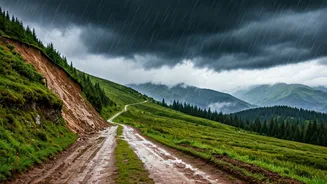
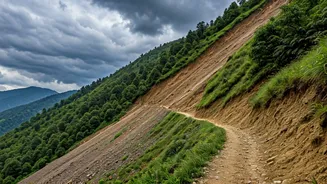
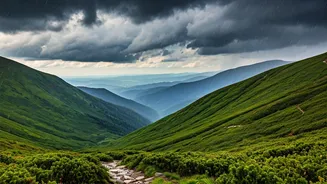
A landslide is the movement of rock, debris, or earth down a slope, and they are a serious hazard in many parts of India. The country's two primary landslide-prone regions are the geologically young Himalayas and the rain-lashed Western Ghats. States
like Himachal Pradesh, Uttarakhand, and parts of the North East are particularly vulnerable due to steep, unstable terrain. In the south, the Western Ghats—stretching through Kerala, Tamil Nadu, and Karnataka—see frequent landslides during the heavy monsoon season. Popular tourist destinations such as Munnar, Wayanad, Ooty, Shimla, and Mussoorie are all located in high-risk zones. Unchecked construction and deforestation, often driven by tourism, have further disturbed natural slopes, increasing the danger.
Before You Go: Research and Smart Planning
The most crucial step for a safe trip is research. Before booking, investigate whether your chosen destination lies in a landslide-prone area. The National Disaster Management Authority (NDMA) and the Geological Survey of India provide guidelines and maps that can help identify hazardous zones. Always check the local weather forecast from a reliable source like the India Meteorological Department (IMD) in the week leading up to your trip. Pay close attention to advisories regarding heavy rainfall, road closures, or flood warnings issued by local authorities. Consider timing your visit to avoid peak monsoon months (June to September), when the risk is highest. Opting for travel between March and June or after the monsoon in September to November is generally safer for Himalayan destinations.
On the Ground: Spotting Imminent Danger
Being aware of your surroundings can save your life. There are several warning signs that a landslide might be imminent. Be alert for new cracks or unusual bulges appearing in the ground, on roads, or on sidewalks. Other tell-tale signs include leaning trees or utility poles, soil moving away from foundations, and sunken roadbeds. Listen for unusual sounds like trees cracking or boulders knocking together, which might indicate moving debris. If you are near a stream or river, watch for any sudden increase or decrease in water flow, or if the water changes from clear to muddy, as this could signal a debris flow upstream. If you notice any of these signs, evacuate the area immediately.
Essential Precautions for High-Risk Travel
If your travel plans take you to a hilly region during a risky season, take extra precautions. Pack a basic emergency kit that includes a first-aid kit, a flashlight, a power bank, drinking water, and some non-perishable snacks. Always inform friends or family of your detailed itinerary and stay connected. When choosing accommodation, try to avoid properties perched precariously on steep hillsides or at the base of a slope. While driving, be extremely cautious. Go slow on wet roads, watch for collapsed pavement or fallen rocks, and never attempt to cross an area where a landslide has occurred. It’s often safer to use public transport or hire an experienced local driver who is familiar with the terrain.
What to Do If You're Caught Near a Landslide
If you are caught in the path of a landslide, your immediate priority is to get to safety. Move away from the path of the debris as quickly as possible, ideally moving to higher ground. Avoid river valleys and low-lying areas, as they are vulnerable to subsequent flooding. If escape isn't possible, curl into a tight ball and protect your head. After a slide, do not return to the area until authorities declare it safe, as there is often a danger of additional slides. Listen to local radio or emergency broadcasts for instructions. If you can do so safely, report broken utility lines or trapped persons to local authorities to aid rescue efforts.