




Nature’s Automatic Watering System
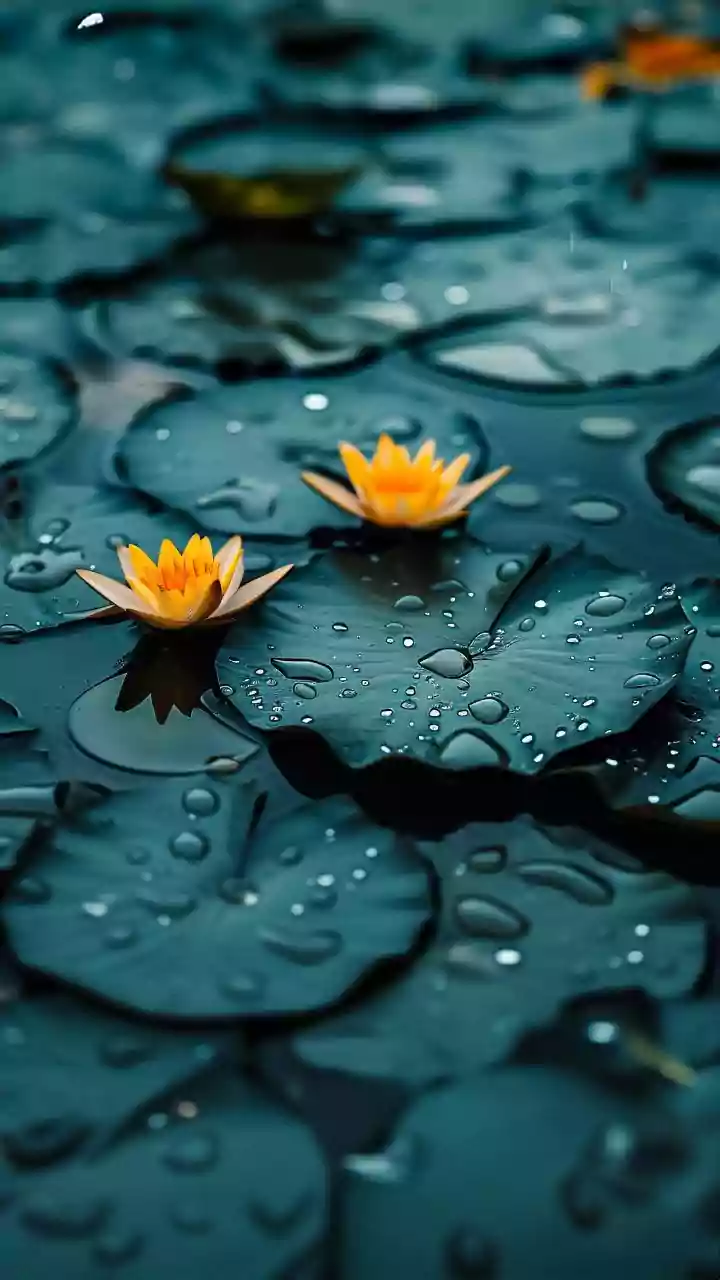
One of the biggest hurdles for any new gardener is mastering the watering schedule. Too much, and you risk root rot; too little, and your plants will wither. The rainy season largely removes this guesswork. Frequent, consistent showers provide natural
irrigation, ensuring your plants get the steady moisture they need to establish strong roots. [2] This not only saves you time and effort but also reduces your water bill. [2] The cooler temperatures that accompany the rains also lessen the stress on young plants, helping them to settle in and grow more vigorously. [2]
An Ideal Environment for New Growth
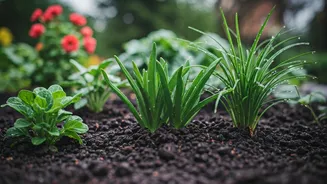
Moist soil and cooler air create a perfect nursery for new life. These conditions significantly boost seed germination rates, as seeds can absorb the water they need to sprout without the risk of drying out under a harsh sun. [2] It’s also an excellent time for transplanting seedlings. The reduced 'transplant shock' means young plants can adapt to their new pots or garden beds more quickly and with a higher survival rate. [2] Furthermore, tasks like weeding become much easier, as the softened, damp soil allows you to pull out entire root systems with less effort. [3]
Choosing Your Monsoon Champions
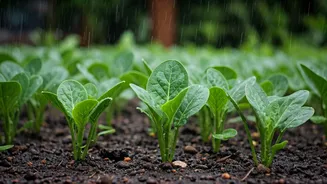
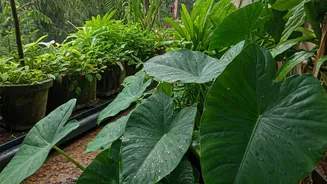
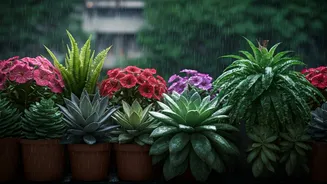
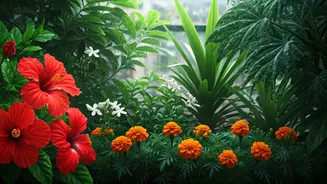
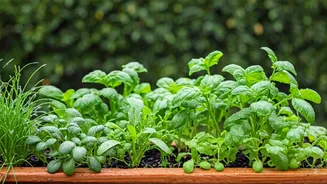
Success in gardening often comes down to choosing the right plant for the right season. The Indian monsoon is ideal for a wide variety of vegetables and flowers that thrive in high humidity. [6] Leafy greens like spinach and amaranth grow quickly in damp soil. [5] Gourds are a quintessential monsoon crop, with varieties like bottle gourd (lauki), bitter gourd (karela), and snake gourd flourishing. [6] Beans are another highly productive and easy-to-grow option for beginners. [4, 11] For those who prefer flowers, hibiscus, jasmine, and marigolds burst into bloom during this season, adding vibrant colour to your balcony or garden. [5, 10]
Avoiding the Pitfalls: Waterlogging and Pests
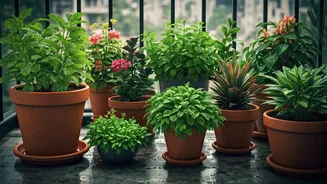
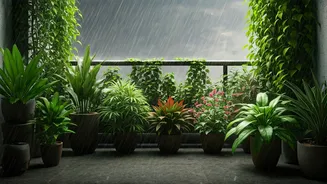
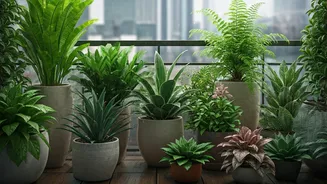
While rain is a blessing, too much of a good thing can cause problems. The primary challenge during the monsoon is waterlogging, which can suffocate plant roots. [8, 15] To prevent this, ensure all your pots have adequate drainage holes. [8] You can also improve soil drainage by adding coarse sand or perlite to your potting mix. [6] It's also wise to avoid watering your plants on rainy days. [6] The damp conditions can also encourage pests like slugs and fungal diseases. [7, 19] Keep an eye on your plants and improve airflow by not overcrowding them. [6] A simple, preventative spray of diluted neem oil can help manage most common pest issues organically. [7]