


The Pull of 'Ghar ka Khana'
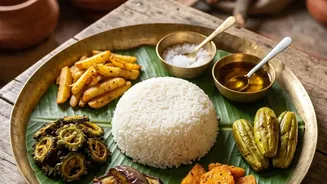
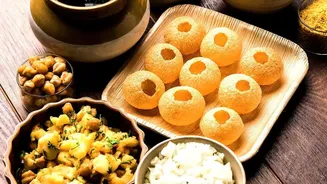
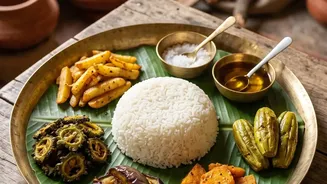
In India, food is far more than just sustenance; it is memory, identity, and love served on a plate. Ancestral recipes, passed down through generations, are family heirlooms, each with a unique story and a specific blend of spices that tastes like 'home'.
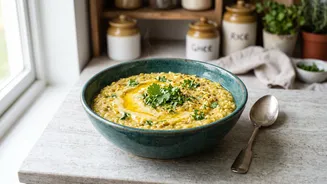
From a mother’s signature biryani to a grandmother’s comforting dal, these dishes connect us to our past. This powerful emotional connection is why, despite the rise of fast food and quick-fix meals, the desire for authentic, home-cooked regional food remains stronger than ever. The challenge isn't a lack of desire, but a lack of time. The elaborate, multi-step processes of traditional cooking often seem incompatible with the demands of modern careers and busy family lives.
A Modern Kitchen's Smart Arsenal
The quiet revolution in today's Indian kitchen is powered by technology. Smart appliances are not replacing tradition but enabling it. The Instant Pot and modern pressure cookers have become heroes, drastically cutting down the cooking time for dishes like dal, legumes, and meat curries by more than half while preserving nutrients. High-speed mixer-grinders pulverise masalas, chutneys, and batters in seconds, a task that once required laborious work with a stone grinder. Air fryers offer a healthier, quicker way to achieve the crispiness of deep-fried snacks, and OTGs (Oven-Toaster-Grills) replicate the even, high heat of a traditional tandoor for making everything from naan to paneer tikka. These tools bridge the gap, making it possible to achieve authentic flavours without the all-day effort.
The Art of the Strategic Shortcut
Beyond gadgets, home cooks are embracing clever preparation hacks. Meal prepping, once seen as a Western concept, has been thoroughly Indianised. Weekends are now used for batch-cooking a 'bhuna masala' or basic curry base, which can be frozen and used to whip up a variety of dishes in minutes during the week. Soaking lentils and beans overnight is a time-honoured trick to reduce cooking time. Many now also prepare and freeze ginger-garlic paste in ice cube trays for easy use. Even dough for rotis can be made in advance and refrigerated. These small acts of preparation are strategic investments that pay off with delicious, home-cooked meals on busy weeknights, proving that convenience and tradition can coexist.
Deconstructing the Classics
Adaptation also comes in the form of simplified recipes. A complex, multi-hour 'Dum Pukht' biryani might be reimagined as a one-pot version in a pressure cooker that's ready in under an hour. The core flavours are retained, but the process is streamlined for a weekday reality. This isn't about compromising on taste but about prioritising it. Cooks are finding the essential soul of a dish and figuring out how to get there faster. This might involve using high-quality ready-made spice blends or focusing on key techniques like 'tadka' (tempering spices in hot oil) to inject maximum flavour quickly. It's an intelligent deconstruction of recipes to fit a new context, ensuring that even a quick meal is flavourful and satisfying.
Healthier Twists on Old Favourites
The modern adaptation of ancestral recipes is also driven by a growing health consciousness. Home cooks are actively modifying dishes to make them lighter and more nutritious without sacrificing the taste that makes them special. This includes reducing the amount of oil or ghee, swapping out refined grains for millets or quinoa in dishes like khichdi and biryani, and incorporating more vegetables. An air fryer allows for crispy pakoras with a fraction of the oil, while a steam oven can produce delicate sweets without deep frying. These thoughtful adjustments ensure that cherished family recipes can be enjoyed regularly as part of a balanced, modern diet, aligning today's wellness goals with yesterday's flavours.