





The Problem with Plastic
Plastic containers are popular for their affordability and convenience, but many contain chemicals like Bisphenol A (BPA) and phthalates. These substances are known as endocrine disruptors, meaning they can interfere with the body's hormones, potentially
leading to health issues over time, including reproductive problems and an increased risk for certain diseases. The danger is not just theoretical; studies show these chemicals can leach from containers into the food we store in them. This process, known as leaching, accelerates when plastic is exposed to heat—for instance, when you store hot food or microwave a meal in a plastic container. Oily and acidic foods can also increase the rate at which these chemicals migrate.
Rethink Your Pantry Storage
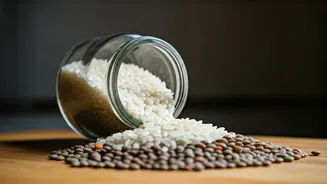
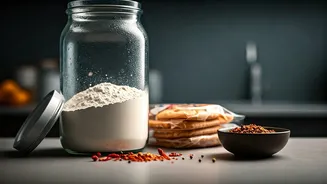
Our pantries are often the first line of defense. Many of us buy staples like rice, dal, atta, and sugar in plastic bags and then store them in plastic containers. A simple, effective switch is to move to materials like stainless steel or glass. These materials are non-reactive, meaning they don't leach chemicals into your food. They also don't absorb food odours or stains, making them more hygienic and durable in the long run. For dry goods, airtight stainless steel 'dabbas' or large glass jars are excellent choices. This isn't a new trend but a return to traditional wisdom, where steel and glass have long been trusted in Indian kitchens for their safety and longevity.
Keep Your Spices Safe
Spices form the soul of Indian cooking, and how we store them matters. Those colourful plastic masala boxes may look attractive, but they pose the same risks. Over time, the oils in whole and ground spices can interact with the plastic. A far better alternative is the classic stainless steel masala dabba, which is not only safe but also protects the spices from light, preserving their flavour and potency. For individual spices, small glass jars are perfect. They allow you to see what’s inside, they are easy to clean, and most importantly, they ensure that the only thing you’re adding to your food is pure, unadulterated flavour.
The Tiffin and Takeaway Trap
Packing a hot lunch in a plastic tiffin or getting a steaming curry delivered in a plastic container is a daily reality for many. However, storing hot food in plastic is particularly risky, as heat significantly increases chemical leaching. The safest practice is to use stainless steel tiffin boxes for packed lunches. When you order food, transfer it from the plastic takeaway container into a glass or ceramic bowl immediately. Never reheat food in the plastic container it came in, even if it’s labelled 'microwave safe'. That label often means the container won't melt, not that it's safe for your health.
From Shopping to Sipping
Safeguarding your staples starts even before they reach your kitchen. When grocery shopping, opt for loose fruits and vegetables and carry your own cloth or mesh bags to reduce single-use plastic. Where possible, choose products sold in glass jars over plastic containers or cans, as can linings can also contain BPA. This principle extends to hydration. Ditch single-use plastic water bottles in favour of a reusable stainless steel or glass bottle. It's a small change that reduces plastic waste and limits your daily exposure to potentially harmful chemicals.