



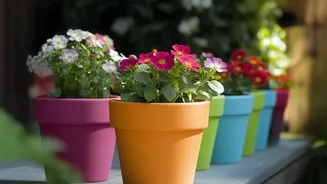

Across India’s cities, a quiet revolution is taking root on balconies and terraces. Beyond the usual decorative shrubs, a growing number of urban gardeners are turning to native plants, transforming their small spaces into vibrant, local ecosystems.
The Practical Magic of 'Less is More'
One
of the most compelling reasons for the shift towards native species is their remarkable resilience. These are plants that have evolved over millennia to thrive in India's specific climatic conditions, from scorching summers to monsoon downpours. Unlike exotic varieties that often demand constant attention, specific fertilisers, and copious amounts of water, native plants are naturally adapted to the local soil and weather patterns. This means less time spent on maintenance, lower water bills, and a reduced need for chemical pesticides, as they have inherent resistance to local pests and diseases. For the busy urban dweller, this 'plant-and-forget' quality is a significant draw, making gardening a more rewarding and less demanding hobby. Plants like the Khejri in Rajasthan are drought-resistant, showcasing how natives are a sustainable choice where water is scarce.
Creating Pockets of Urban Biodiversity
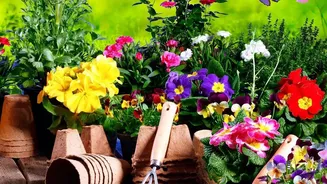
A balcony with native plants is more than just a pretty sight; it's a bustling miniature habitat. By choosing indigenous species, gardeners are providing crucial food and shelter for local wildlife that is often struggling in concrete jungles. Native flowers like marigold, hibiscus, and Aparajita (butterfly pea) attract bees, butterflies, and birds, which are essential pollinators. These small green patches act as 'stepping stones' in a larger ecological corridor, helping to connect fragmented habitats across a city and support dwindling pollinator populations. Conservation biologists note that even a few pots of native flora can create a vital refuge for insects and birds, contributing directly to the health of the urban ecosystem.
A Return to Cultural Roots
The movement also reflects a deeper cultural shift. For a long time, Indian gardening, particularly in urban areas, was influenced by colonial aesthetics that favoured foreign species and manicured lawns. Today, there's a growing sense of pride in India's rich botanical heritage. Gardeners are rediscovering the beauty and significance of plants that are intrinsically linked to the region's culture and traditions. Species like Tulsi (holy basil), Parijat (night-flowering jasmine), and Mogra are not just plants but are woven into the fabric of daily life, rituals, and even memories. This return to native flora is a way of decolonising personal green spaces and celebrating a natural identity that is both authentic and sustainable.
Easy Native Plants to Start Your Journey
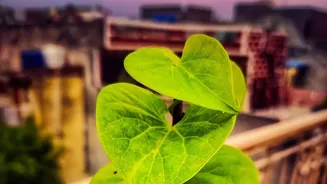
The best part about this trend is its accessibility. You don't need a sprawling garden to make a difference. Many native plants thrive beautifully in pots on balconies and terraces. Some easy-to-grow options include the vibrant Aparajita (Butterfly Pea), a climber with striking blue flowers, and the fragrant Mogra (Jasmine), whose scent can fill an entire evening. The ever-popular Tulsi is not only sacred but also known for its pest-repellent qualities. For a splash of colour, Hibiscus and Ixora offer brilliant, large blooms that are a favourite for sunny spots. These plants are readily available, grow happily in containers, and provide a perfect entry point into the world of native gardening.