





Mistake 1: You're Not Using Nearly Enough
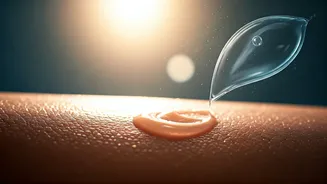
One of the most common mistakes is being too stingy with your sunscreen. To achieve the Sun Protection Factor (SPF) promised on the bottle, most adults need to apply about one ounce — enough to fill a shot glass — to cover their entire body. For the face
and neck alone, the 'two-finger rule' is a helpful guide: squeeze two full lines of lotion onto your index and middle fingers. Studies show that most people only apply 25-50% of the recommended amount, which can drastically reduce the level of protection they receive, leaving skin vulnerable to harmful UV rays.
Mistake 2: You Apply It Once and Forget It
Sunscreen is not a one-and-done application. Its effectiveness wears off over time. The general rule from dermatologists is to reapply every two hours when you're outdoors. This two-hour rule applies regardless of the SPF number; a higher SPF doesn't mean you can wait longer between applications. If you're swimming or sweating heavily, you need to reapply even more frequently, typically every 40 to 80 minutes, depending on whether your sunscreen is labeled water-resistant. A shocking survey found that only about a third of people reapply sunscreen as recommended, leaving them exposed.
Mistake 3: You're Only Applying It on Sunny Days
Thinking you only need sunscreen for a day at the beach is a dangerous misconception. The sun emits damaging UV rays all year round, and they can penetrate through clouds. Up to 80% of UV rays can reach your skin even on cloudy or overcast days. Furthermore, UVA rays, which contribute to aging and skin cancer, can pass through window glass, meaning you're exposed even while driving or sitting by a window indoors. To effectively reduce your risk of skin cancer and premature aging, dermatologists recommend making sunscreen application a daily habit.
Mistake 4: You're Missing Crucial Spots
Even the most diligent sunscreen users often miss key areas, which happen to be common sites for skin cancer. Dermatologists frequently see sun damage on the ears, scalp (especially along a hair parting), the back of the neck, the tops of the feet, and hands. Other often-neglected spots include the eyelids, lips, and the area under your chin, which can be exposed to reflected UV rays from surfaces like sand and pavement. Remember to use a lip balm with at least SPF 30 and wear a wide-brimmed hat for extra scalp protection.
Mistake 5: Relying on Makeup with SPF
While makeup or moisturiser with built-in SPF is better than nothing, it is not a substitute for a dedicated sunscreen. The primary issue is volume. To get the SPF protection stated on the label, you'd have to apply a very thick layer of foundation—far more than anyone actually wears. Additionally, makeup is often applied unevenly and doesn't always provide broad-spectrum (UVA/UVB) protection. The best approach is to apply a separate, broad-spectrum sunscreen with SPF 30 or higher as the last step of your skincare routine, about 15 minutes before applying makeup.
Mistake 6: Using an Expired Bottle
Sunscreen doesn't last forever. The active ingredients degrade over time, making the product less effective. The FDA requires sunscreens to maintain their original strength for at least three years. Most products have an expiration date printed on the bottle; if it's past that date, throw it out. If your bottle doesn't have an expiration date, it's a good practice to write the month and year you bought it on the container so you know when three years have passed. Also, if you notice any changes in the sunscreen's color or consistency, it's time for a new bottle.