



The Body in Deep Space
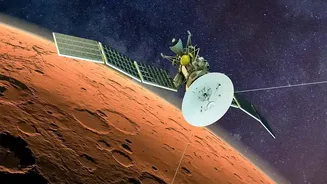
A trip to Mars and back could take years, exposing astronauts to a hostile environment unlike anything on Earth. The primary threats are well-documented: intense galactic cosmic radiation, which is far stronger outside Earth's protective magnetic field,
and prolonged microgravity. These stressors are known to wreak havoc on the human body, causing muscle atrophy, bone density loss, cardiovascular deconditioning, and a weakened immune system. Studies have shown that spaceflight can lead to a decrease in the body's ability to fight disease and may even reactivate dormant viruses. These significant health risks must be mitigated for a Mars mission to be successful.
An Unexpected Frontier: The Gut
In the quest to protect astronauts, scientists are increasingly focusing on a complex, microscopic ecosystem: the gut microbiome. This community of trillions of bacteria, fungi, and other microbes living in our digestive tract plays a surprisingly large role in our overall health. It influences everything from our immune system and metabolism to our bone health and even our mood and cognitive function. Researchers now understand that the health of this internal world is directly linked to an astronaut's ability to withstand the rigours of space travel. A disruption in this delicate balance, known as dysbiosis, can have severe consequences for an astronaut's health on a long journey.
Cosmic Stress and the Microbiome
Several factors unique to spaceflight directly impact the gut microbiome. Microgravity, for instance, can slow down the movement of food through the digestive tract, leading to issues like constipation. Recent studies have shown this slowdown changes how gut bacteria function, causing them to ferment proteins more than usual, which can produce potentially harmful compounds. Furthermore, the pre-packaged, low-fibre, sterile diet of astronauts starves beneficial microbes of the nutrients they need to thrive. Combined with the psychological stress of confinement and exposure to radiation, the result is often a decrease in microbial diversity, a rise in inflammation-associated bacteria, and a drop in beneficial, anti-inflammatory microbes.
Cultivating a Healthy Gut for Mars
Understanding these challenges is the first step toward developing effective countermeasures. Scientists are exploring several strategies to support astronaut gut health. One of the most promising avenues is nutrition. This includes designing diets rich in fibre and prebiotics—compounds that feed good bacteria—to be incorporated into mission food supplies. Another key strategy involves the use of probiotics, which are live beneficial bacteria. Research is underway to identify specific, robust strains of probiotics, like certain species of Lactobacillus and Bifidobacterium, that can survive the journey into space and help maintain a healthy gut balance. In the future, this could lead to personalised, microbe-based therapies and even 3D-printed foods tailored to each astronaut's unique needs.
Benefits for Earthlings, Too
The insights gained from studying astronauts in the extreme environment of space have direct applications back on Earth. Understanding how the gut microbiome responds to stressors like confinement, altered diet, and a suppressed immune system can provide valuable information for treating digestive ailments here. Research into astronaut health has already advanced our understanding of conditions like osteoporosis. Similarly, investigating the gut-brain axis in astronauts could lead to new treatments for stress-related cognitive and behavioural health issues. In essence, by solving the health puzzles of space travel, we are also advancing medical science for everyone.