




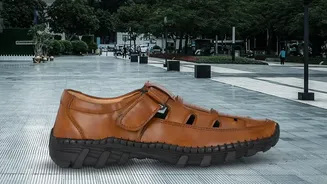

The First Five Minutes: Immediate Action
The moment you reach your desk, your priority is to get your feet clean and dry. Rainwater in waterlogged streets is often contaminated with dirt and bacteria that can cause infections. If possible, head straight to the office washroom. Wash your feet thoroughly
with soap and clean water, paying close attention to the spaces between your toes. Afterwards, dry them completely with a clean towel. Trapped moisture is the primary cause of fungal infections like athlete's foot, which thrive in damp, warm conditions. Even a few minutes spent sitting in wet socks can create the perfect breeding ground for fungus.
Your Desk-Side Emergency Kit
Being prepared can transform your day from miserable to manageable. Keep a small 'monsoon kit' at your workplace. This should include a small, quick-drying towel, a spare pair of clean cotton socks, and a fresh pair of office-appropriate shoes. Having dry footwear to change into is non-negotiable. Wearing soggy shoes and socks for hours not only leads to swelling and smelly feet but also significantly increases your risk of skin issues. Consider adding an antifungal powder to your kit. A light dusting on your clean, dry feet before putting on fresh socks can help absorb any residual moisture and prevent fungal growth.
A Two-Part Footwear Strategy
The smartest approach to monsoon footwear is a two-pair system. For your commute, opt for waterproof, open-toed sandals, flip-flops, or rubber boots that protect your feet from direct contact with dirty water and can be easily washed. Avoid leather and canvas shoes for your commute as they absorb water, take a long time to dry, and can get ruined. Once at the office, you can switch to your comfortable, dry office shoes that you've kept safely in your locker or drawer. This ensures your feet remain in a clean, dry environment for the rest of the workday, drastically reducing the risk of infections.
Airing Out: Let Your Feet Breathe
Even after changing into dry socks and shoes, humidity can cause your feet to sweat. If your workplace culture allows, discreetly slip your shoes off under your desk for short periods to let your feet air out. This simple act improves ventilation and prevents the build-up of sweat and moisture. Also, never wear the same pair of shoes two days in a row, especially during the monsoon. Alternating between pairs gives them adequate time to dry out completely, preventing them from becoming a permanent home for bacteria and fungi.
End-of-Day Recovery and Care
Your foot care routine shouldn't end when you leave the office. Once you're home, give your feet another wash with soap and water. You can also indulge in a relaxing foot soak. Add some Epsom salt or a few drops of an antiseptic liquid to a basin of warm water and soak your feet for 15-20 minutes. This not only soothes tired feet but also helps eliminate any lingering germs. After the soak, dry them thoroughly and apply a good moisturising lotion to prevent the skin from cracking, but avoid applying it between the toes where moisture can get trapped. Keeping your toenails trimmed short also helps, as long nails can accumulate dirt and bacteria.
Know the Red Flags
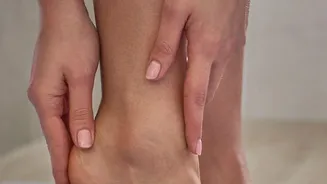
Despite your best efforts, infections can still occur. Be vigilant for signs of trouble. Persistent itching, redness, scaly patches, or peeling skin between the toes are early symptoms of athlete's foot. A pungent foot odour that doesn't go away can also indicate a fungal infection. Wading through floodwater can also expose you to more serious bacterial infections like leptospirosis, especially if you have cuts or scrapes on your feet. Symptoms of this can include fever and flu-like symptoms. Don't self-diagnose or ignore these symptoms. If you notice anything unusual or if a minor issue doesn't resolve in a few days, consult a doctor.