






The All-or-Nothing Myth
For years, the prevailing wisdom was that a workout didn't 'count' unless it was a long, gruelling session. This 'all-or-nothing' mindset is often what dooms our best intentions. We feel that if we can't commit to a full hour, we might as well do nothing.
But research consistently shows this is not true. Studies have found that breaking up exercise into smaller, 10-minute sessions throughout the day can be just as effective, and in some cases more so, than one continuous 30-minute workout. The body responds to the total amount of activity, not whether it was done in one go. This reframes exercise from a daunting event into a manageable part of daily life.
The Science of Starting Small
The power of the 10-minute workout lies in its ability to build habits. Psychologically, the barrier to entry is incredibly low. Convincing yourself to exercise for just 10 minutes is far easier than motivating yourself for a 60-minute slog. This is the core of habit formation: start so small it's hard to say no. This simple act of starting builds momentum. Each completed session is a small win that reinforces the habit loop—a cue, a routine, and a reward. The reward is the post-workout feeling of accomplishment and energy, which makes you more likely to do it again tomorrow. It removes the mental resistance that often kills consistency before it even begins.
Cumulative Gains, Real Results
Don't underestimate what 10 minutes can do. These short bursts, especially if they involve some intensity, deliver significant physiological benefits that add up over time. Research shows that even brief sessions can improve cardiovascular health, lower blood pressure, help regulate blood sugar, and reduce the risk of chronic diseases. In fact, some studies indicate that short, vigorous bursts of activity are associated with dramatically lower mortality rates. A quick workout also triggers the release of endorphins, boosting your mood, reducing stress, and improving focus and memory for hours afterward. Over weeks and months, these daily deposits into your health bank yield substantial returns.
Your 10-Minute Blueprint
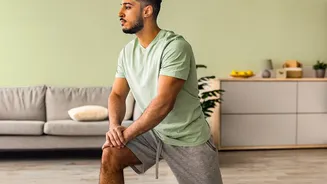
The beauty of a short workout is its versatility. You don't need a gym or fancy equipment. It can be done anywhere, anytime. The key is to make it purposeful. A simple blueprint could be a bodyweight circuit: try 45 seconds of an exercise followed by 15 seconds of rest. Cycle through movements like jumping jacks, squats, push-ups (on your knees or against a wall is fine), lunges, and planks. Repeat the circuit twice. Other options include a brisk 10-minute walk where you pick up the pace for a few minutes, climbing stairs, a quick yoga or stretching session, or even dancing to your three favourite songs. The goal is to elevate your heart rate and move your body.
How to Make It Stick
Building the habit is the final piece of the puzzle. The key is consistency. Schedule your 10 minutes like you would any other important appointment. Try 'habit stacking' by linking your workout to an existing daily routine, like doing it right before your morning shower or immediately after you finish work. Laying out your workout clothes the night before can serve as a powerful visual cue. Most importantly, be patient with yourself. If you miss a day, don't let it derail you. Just get back to it the next day. The goal isn't perfection; it's to create a sustainable relationship with movement that serves you for years to come.