

Beyond the Familiar Curry
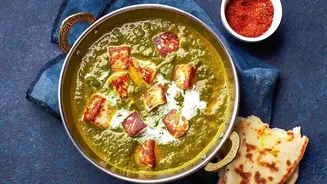
For decades, Indian food outside of India was often defined by a handful of North Indian dishes. But a significant shift is underway. A new generation of chefs, both in India and abroad, is moving past generic curries to explore the subcontinent's vast
and varied culinary map. This isn't about forced fusion but a more fluid, confident approach to cooking. Imagine a taco filled not with salsa but with smoky, tandoori-spiced paneer, or a creamy Italian risotto infused with the earthy flavours of millet and masala. These creations signal a cuisine that is not just being exported, but is actively participating in a global culinary conversation, blending familiar formats with authentic, and often surprising, Indian tastes.
A Celebration of Regional Identity
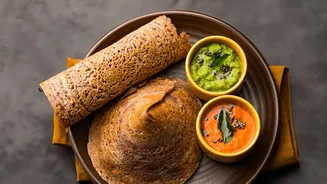
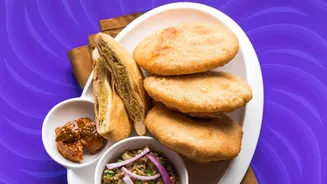
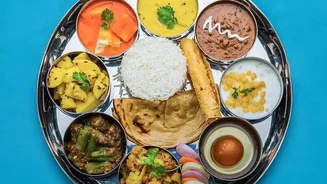
The real story behind this trend is the rise of regional pride. Chefs are now champions of specific local cuisines, from the coastal spices of Kerala and Goa to the smoky, earthy notes of Nagaland. Instead of a single 'Indian' flavour, this new movement highlights the unique ingredients and techniques of individual states. You might find a dish using the pungent, funky spice asafoetida, characteristic of Keralan cooking, or another featuring the sharp, earthy notes of mustard oil, a staple in Bengal. This focus on regionality introduces a world of new flavours to diners, moving beyond the well-trodden path of Punjabi cuisine that once dominated menus. It’s a declaration that Indian food is not a monolith, but a rich tapestry of distinct culinary traditions.
The Global Palate Gets an Indian Remix
This culinary exchange is a two-way street. As regional Indian flavours gain international recognition, global classics are also getting an Indian makeover. Comfort foods like pizza, pasta, and burgers are being reimagined with an Indian sensibility. Picture a classic margherita pizza base topped with rich butter chicken, or a comforting bowl of mac and cheese given a spicy kick with a blend of garam masala. In the United States, the trend has led to creative mashups like curried shrimp and grits or tandoori chicken tacos. Even desserts are not immune, with creations like gulab jamun tiramisu and masala chai-infused tres leches cake appearing on menus. These dishes succeed because they offer a sense of familiar comfort while introducing an exciting, adventurous twist.
Why Now? A Recipe for Innovation
Several factors are fuelling this creative explosion. Increased global travel and a connected world, thanks to social media, mean that chefs and diners are more curious and knowledgeable than ever. A new generation of Indian chefs feels a renewed confidence, proudly showcasing their heritage without feeling the need to dilute it for international palates. Furthermore, there's a growing global demand for plant-based and vegetable-forward dishes, an area where India's regional cuisines have always excelled. The Indian diaspora plays a huge role, creating dishes that reflect their dual cultural identities and introducing local communities to new flavour combinations. This convergence of pride, curiosity, and market trends has created the perfect environment for Indian cuisine to evolve in exciting and unexpected ways.