






The Science of the Slump
That sudden desire for a nap or a sweet treat in the late afternoon isn't just in your head. It's often linked to a dip in blood sugar levels a few hours after lunch. The typical Indian lunch, while delicious, can sometimes be heavy on refined carbohydrates,
leading to an initial energy spike followed by a crash. This crash triggers your brain to seek a quick energy source, which is why processed, sugary, and high-fat snacks become so appealing. However, these snacks only prolong the cycle, leading to another slump soon after. The key to breaking this cycle isn't to avoid snacking, but to snack smarter with foods that provide sustained energy.
Packed with Protein and Fibre for Fullness
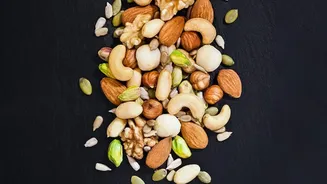
One of the primary reasons roasted seed mixes are so effective is their high content of protein and fibre. A combination of seeds like pumpkin, sunflower, flax, and chia delivers a powerful punch of these two nutrients. Protein is known to be more satiating than fats or carbohydrates, helping to regulate hunger hormones. Fibre, particularly soluble fibre found in seeds like chia and flax, slows down digestion. It forms a gel-like substance in the stomach, which delays the emptying process and promotes a feeling of fullness for longer. This one-two punch of protein and fibre helps keep hunger at bay, preventing you from overeating and making impulsive, less healthy choices.
A Boost of Brain-Friendly Healthy Fats
Your brain is about 60% fat, so it's no surprise that consuming healthy fats is crucial for its function. Seeds are a fantastic source of plant-based unsaturated fats, including essential omega-3 fatty acids. Walnuts and flaxseeds, for instance, are rich in alpha-linolenic acid (ALA), a type of omega-3 that supports brain health by protecting cells and reducing inflammation. These fats help maintain the structure of brain cells, allowing them to communicate effectively, which can translate to better focus and concentration during that afternoon fog. Sunflower seeds are also a great source of Vitamin E, an antioxidant that protects brain cells from oxidative stress.
Sustained Energy from Micronutrients
Beyond the big three (protein, fibre, and fat), seeds are loaded with essential vitamins and minerals that play a vital role in energy production. They are a great source of magnesium, zinc, and iron. Magnesium is involved in hundreds of biochemical reactions in the body, including converting food into energy. A deficiency can often lead to fatigue. Zinc is crucial for immune function and metabolism, while iron is a key component of red blood cells that transport oxygen throughout your body, a process essential for maintaining energy and vitality. A small handful of mixed seeds can provide a significant portion of your daily needs for these critical micronutrients, helping you power through your day.
Buying or Making Your Own Mix
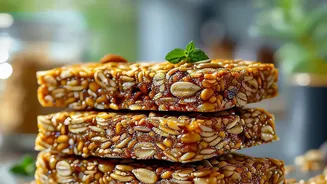
When buying a pre-made seed mix, it's wise to read the label carefully. Look for mixes with minimal added salt, sugar, and refined oils. Some commercial mixes can turn a healthy snack into a processed one with artificial flavours and preservatives. The best options are those that are lightly roasted or raw. Alternatively, making your own mix is incredibly simple and cost-effective. Combine raw seeds like pumpkin, sunflower, flax, and sesame in a bowl. You can add a tiny drizzle of oil and a pinch of salt or spices like cumin and paprika for flavour. Spread them on a baking sheet and roast at a low temperature (around 160-180°C) for 8-12 minutes, stirring halfway through, until they are fragrant and lightly golden. Let them cool completely before storing them in an airtight container at your desk.