


An Emerald Ocean of Green
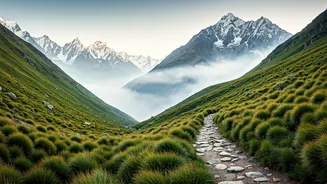
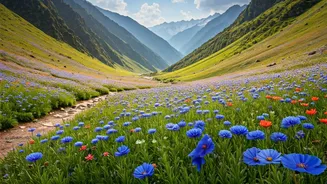
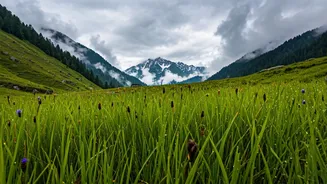
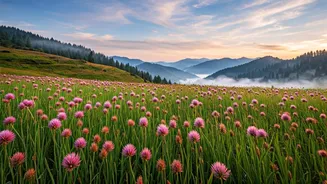
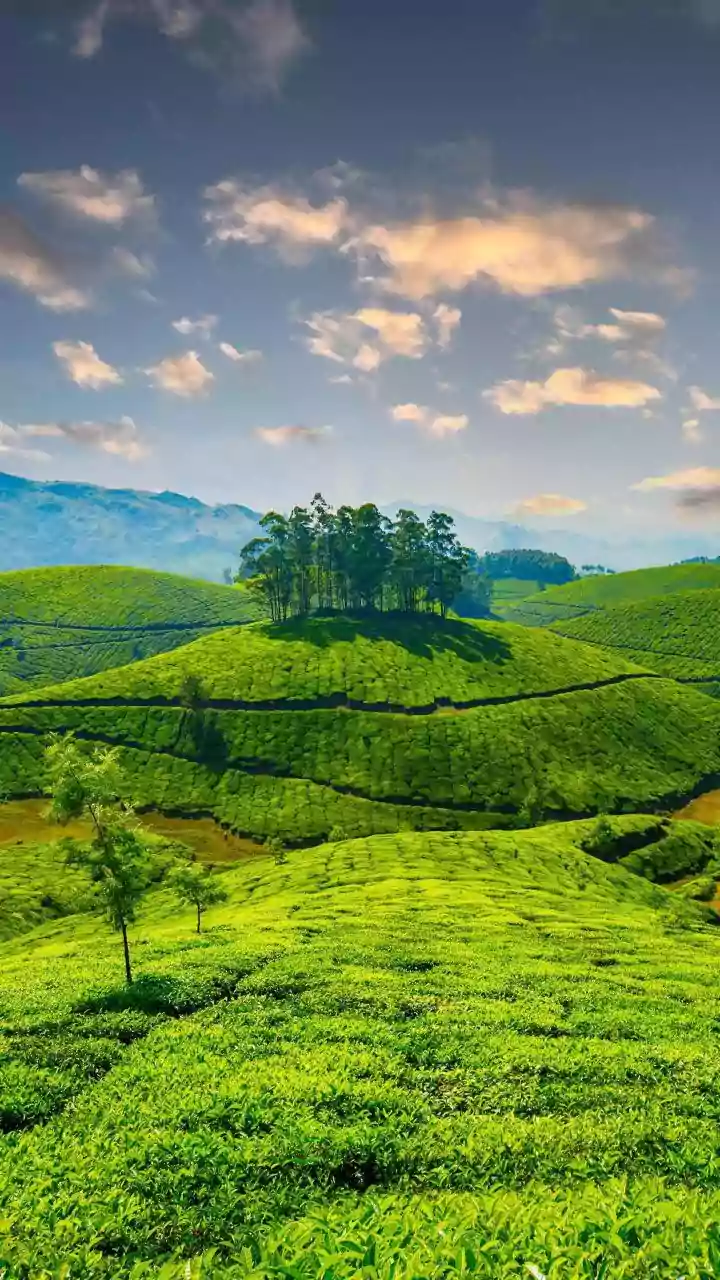
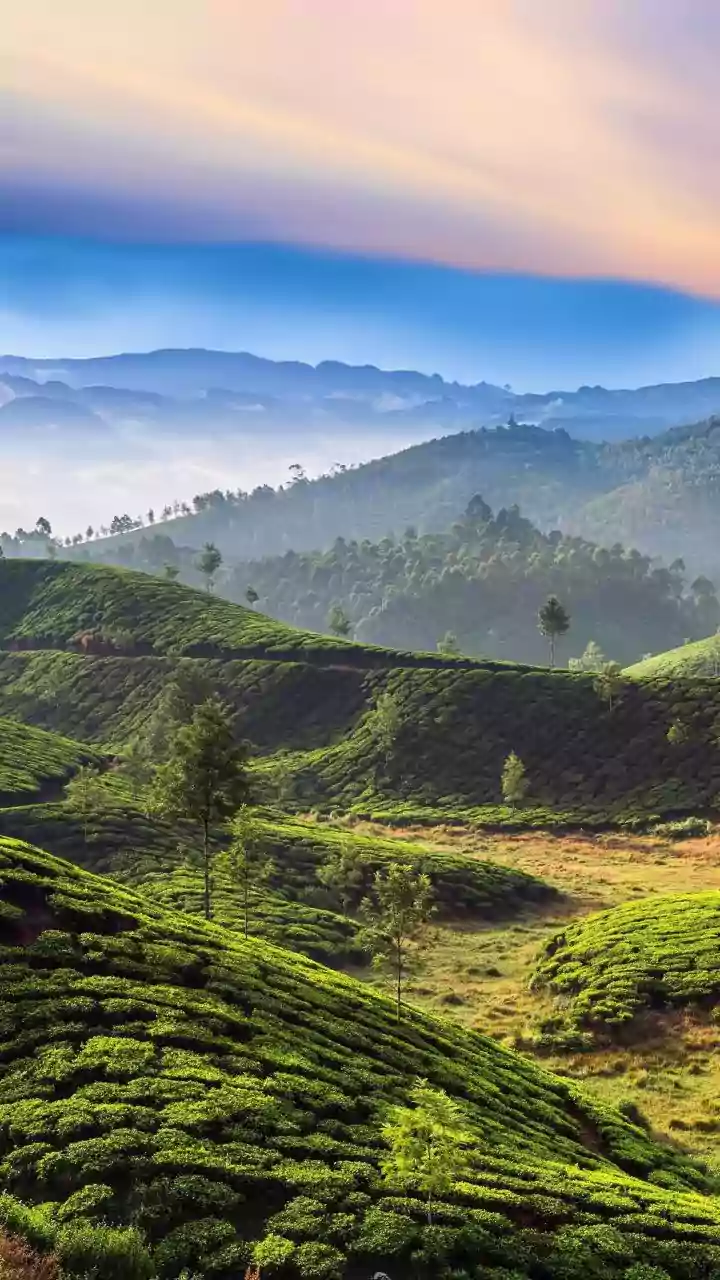
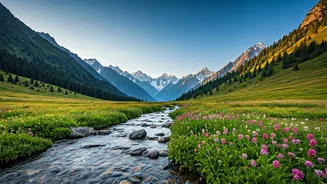
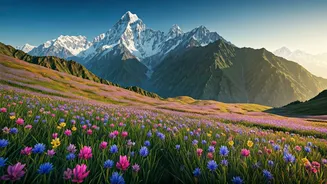
The term 'Mini Switzerland of India' is thrown around a lot, but in monsoon, Chopta truly earns it. The typically pleasant meadows, or *bugyals*, undergo a dramatic transformation. The rains saturate the landscape, turning the rolling hills into a vibrant,
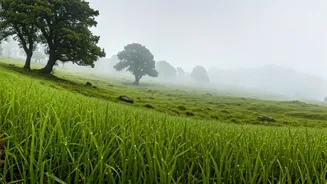
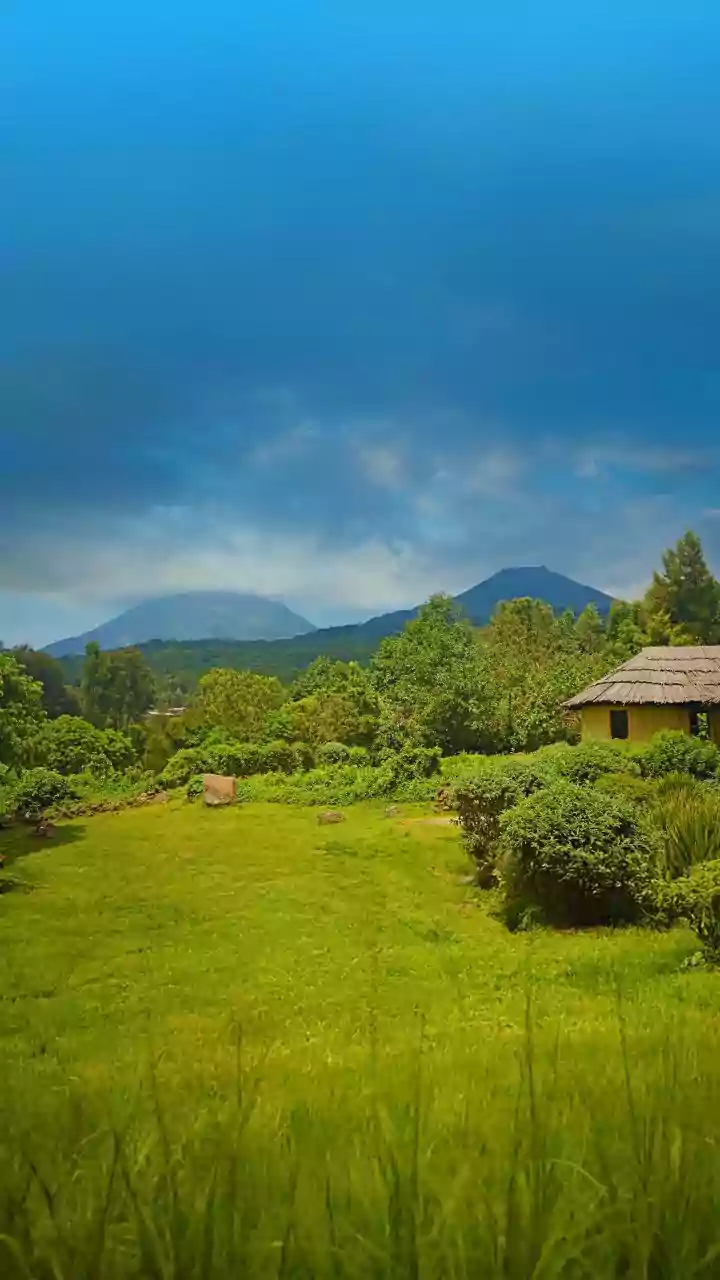
almost impossibly deep shade of emerald green. This isn't the dry, sun-baked beauty of summer; this is a living, breathing canvas. As clouds drift lazily across the meadows, they play a game of hide-and-seek with the peaks, creating a mystical atmosphere. The air is heavy with the petrichor, the earthy scent of rain hitting dry soil, mixed with the fragrance of pine and wild herbs. It’s a sensory overload in the best possible way, a far cry from the dusty, crowded trails of peak season.
The Rare Luxury of Solitude
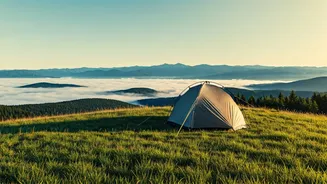
The biggest draw of visiting Chopta during the monsoon is its profound quietness. The fair-weather tourists and weekend crowds are gone, leaving the mountains to a handful of discerning travellers and the locals. This is your chance to experience the Himalayas in their raw, unfiltered state. The usual chatter of tour groups is replaced by the sound of dripping rainwater from pine needles, the distant call of a monal pheasant, and the gentle hum of the wind. You can walk for hours on a trail and meet no one but a shepherd guiding his flock. This solitude is not emptiness; it is a fulfilling peace that allows you to connect with nature and yourself on a much deeper level. The guesthouses are quieter, the service is more personal, and you get to see a side of mountain life that is often hidden by the tourist rush.
Trekking Through Mist and Cloud
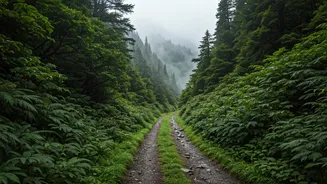
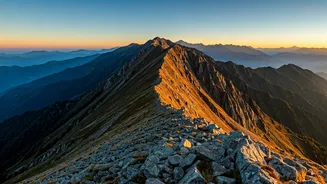
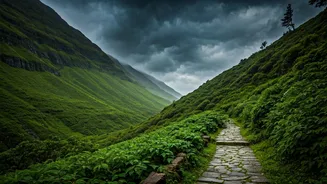
Trekking in the monsoon sounds daunting, but in Chopta, it's an otherworldly experience. The iconic trek to Tungnath, the world's highest Shiva temple, becomes a pilgrimage through the clouds. The well-paved path makes it relatively safe, though good waterproof gear and sturdy boots are non-negotiable. As you ascend, you'll find yourself walking through dense fog, with visibility sometimes dropping to just a few feet, making the ancient temple appear suddenly out of the mist like a divine revelation. The Chandrashila summit trek beyond Tungnath might be slippery and is best attempted only on a clear day, but the journey to the temple itself is magnificent. Another gem is the trek to Deoriatal, a pristine lake where, on a clear morning, you can see the reflection of the Chaukhamba peaks. The forest path leading to the lake is especially beautiful in the rains, teeming with life.
Practicalities for a Monsoon Adventure
A monsoon trip to Chopta requires preparation. First, road safety is paramount. The region is prone to landslides, so always check weather forecasts and road conditions with local authorities before and during your travel. Travel with buffer days in your itinerary. Pack smart: high-quality waterproof jackets and pants, waterproof trekking shoes with excellent grip, and leech socks are essential. Leeches are common on trails, but a little salt or repellent keeps them at bay. Your electronics should be in waterproof bags. Accommodation options are simpler—think cosy guesthouses and basic lodges rather than luxury resorts. Most will offer warm, home-cooked Garhwali meals, which are a highlight in themselves. Embrace the simplicity; it's part of the charm of an offbeat escape.