





The New Climate Reality for Work
This year's weather maps tell a stark story. While parts of the country grappled with severe heatwaves that pushed temperatures to record highs, other regions were submerged by flash floods that paralysed major cities like Mumbai and Gurugram. These are
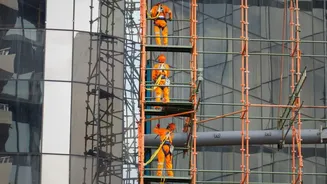
not isolated incidents but a new normal, with significant consequences for India's nearly 500-million-strong workforce. For outdoor workers in construction, logistics, and agriculture, extreme heat is more than an inconvenience; it's a direct health hazard and a threat to their livelihood, leading to lost working hours and reduced productivity. A recent study found that 92% of micro, small and medium enterprises (MSMEs) reported heat stress affecting their operations. Simultaneously, urban flooding, exacerbated by unplanned development, frequently disrupts supply chains, damages infrastructure, and makes commuting dangerous, if not impossible. These 'current alerts' are a clear signal: the weather of yesterday is not the weather of today, and our workplace plans must evolve accordingly.
Why Old Plans Are Failing
For many companies, a 'weather plan' has traditionally meant a protocol for the monsoon season. These plans often focus on predictable, large-scale events and are reviewed annually, if at all. However, today's climate challenges are different. They are more frequent, more intense, and often localised, like a sudden cloudburst over a specific part of a city. A plan that doesn't account for extreme heat, which the National Disaster Management Authority (NDMA) has issued specific guidelines for, is dangerously incomplete. Many existing plans also fail to consider the interconnected nature of modern business. An employee might be safe at home, but if a flooded data centre takes services offline, the business grinds to a halt. A static, one-size-fits-all document is no match for the dynamic nature of today's weather risks.
Building a Resilient Weather Strategy
A modern, effective weather plan is a living document that prioritises flexibility and communication. The first step is to conduct a risk assessment specific to your locations and operations. A business in a flood-prone area of Chennai faces different immediate risks than one in the heat-stressed plains of northern India. Your plan should move beyond basic evacuation and include clear triggers for action. For example, define the specific temperature or air quality index that triggers a shift in work hours or a move to remote work. The NDMA has recommended shifting outdoor work to cooler parts of the day and ensuring access to shade and water. Companies are increasingly adopting flexible hours, work-from-home options, and restricting outdoor duties during peak heat. The plan must also cover communication protocols, using multiple channels like email, WhatsApp, and SMS to ensure every employee receives timely updates.
Integrating Health, Safety, and Continuity
Employee wellbeing must be at the heart of any weather plan. This includes providing access to safe drinking water, oral rehydration salts (ORS), and shaded rest areas for those on-site. For remote workers, it means ensuring they have the support to work effectively and safely from home during a weather event. Beyond immediate safety, consider the long-term health impacts. Prolonged exposure to heat can lead to serious health issues, while the stress of navigating disruptions affects mental health. A comprehensive plan integrates with business continuity, ensuring critical data is backed up to the cloud and that teams can remain productive even if the physical office is inaccessible. Regularly training staff on these procedures and conducting drills turns a policy document into a practical, life-saving tool.