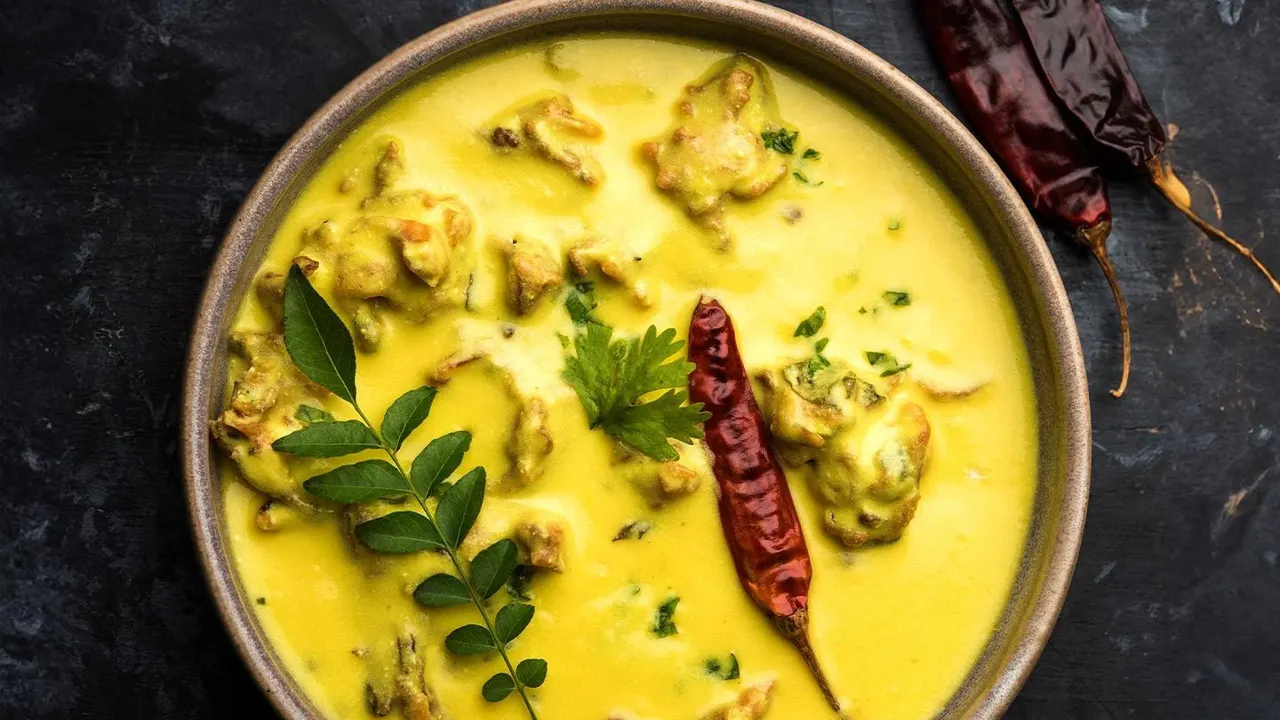







Kadhi is the ultimate comfort food, a tangy, creamy curry that warms the soul. But achieving that perfect, silky-smooth texture can be tricky. This guide will walk you through the simple secrets to making flawless kadhi every single time.
The Foundation: Start with the Right Yoghurt
The star of any
kadhi is the yoghurt (dahi), and its quality dramatically influences the final taste and texture. For an authentic, tangy flavour, it's best to use yoghurt that is a day or two old, or slightly sour. Many home cooks prefer this as it gives the kadhi its signature taste. Fresh, sweet yoghurt can result in a bland dish. Equally important is the temperature. Never use cold yoghurt straight from the fridge, as the drastic temperature change when it hits the hot pan is a primary reason for curdling. Always let your yoghurt come to room temperature for at least an hour before you begin cooking.
The Perfect Slurry: Getting the Ratio Right
The key to a smooth, stable kadhi lies in the partnership between gram flour (besan) and yoghurt. Besan acts as the thickening and stabilising agent that prevents the yoghurt from splitting under heat. Getting the ratio right is crucial. A good rule of thumb is to use about 2 to 3 tablespoons of besan for every cup of yoghurt. Too little besan can lead to a thin, watery kadhi that may curdle, while too much will make it overly thick and dense, especially after it cools. For a guaranteed lump-free base, first whisk the room-temperature yoghurt until it's perfectly smooth. Then, either make a separate paste of besan and a little water before adding it to the yoghurt, or sift the besan directly into the yoghurt and whisk thoroughly until you have a seamless, uniform mixture. A blender can also be used to achieve a perfectly smooth batter.
Patience on the Stove: The Art of Low and Slow
Once your yoghurt and besan mixture is ready and diluted with water, the cooking process begins, and this stage demands patience. One of the biggest mistakes is cooking kadhi on high heat. Yoghurt is delicate, and high temperatures will cause its proteins to separate, resulting in a grainy, curdled texture. Always cook your kadhi on a low to medium flame. Stir the mixture gently and continuously, especially until it comes to its first boil. Constant stirring prevents the mixture from settling at the bottom and ensures it heats evenly, further reducing the risk of splitting. Once it reaches a boil, you can reduce the heat to a simmer and stir less frequently. A proper kadhi needs to simmer for a considerable time, often up to an hour, to cook out the raw taste of the besan and develop a deep, rich flavour.
Avoiding Common Pitfalls
Beyond temperature and stirring, a few other details can make all the difference. One critical tip is to add salt only towards the end of the cooking process. Adding salt too early, before the kadhi has come to a boil, can draw out moisture from the yoghurt and cause it to separate. Wait until the kadhi has been simmering for at least 15-20 minutes or is nearly cooked before you season it with salt. Similarly, if your recipe calls for other souring agents like lemon juice or amchur (dry mango powder), add them only after you have turned off the heat. Adding acidic ingredients while the kadhi is still on a vigorous boil can also cause it to split.
The Finishing Touch: A Flavourful Tadka
The final flourish for a perfect kadhi is the tempering, or tadka. This is not just a garnish but a crucial flavour layer that infuses the entire dish with aroma. A classic tadka for kadhi often includes ghee or oil heated with mustard seeds, cumin seeds, fenugreek seeds (methi dana), asafoetida (hing), curry leaves, and whole dried red chillies. Once the seeds start to sputter, this fragrant, sizzling mixture is poured directly over the finished kadhi. For the best effect, cover the pot immediately after adding the tadka and let it rest for a few minutes. This traps the aroma, allowing it to meld beautifully with the creamy, tangy curry, creating a truly irresistible dish.