



From Occasion-Wear to Everyday Choice
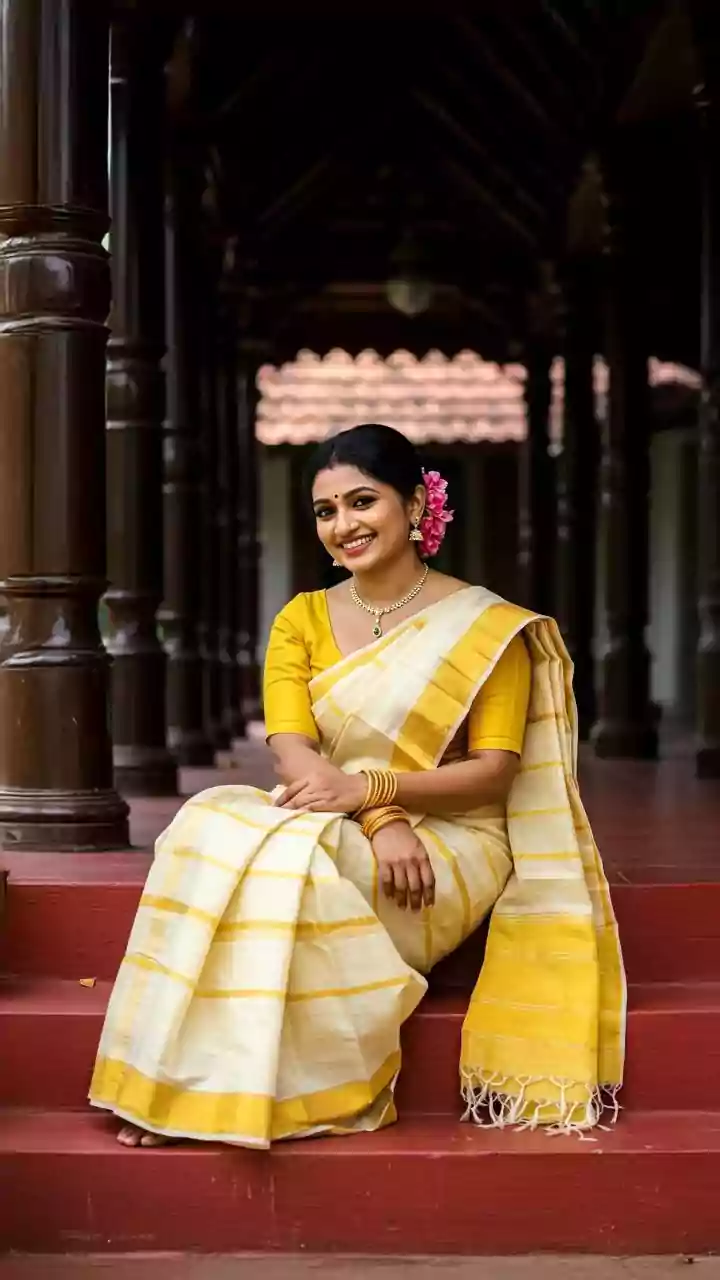
Indian handloom has always been a symbol of immense cultural pride, with weaves like Banarasi silk and Kanjivaram carrying stories of heritage and craftsmanship. For many, however, these fabrics were synonymous with heavy, elaborate sarees and occasion-wear—beautiful,
but impractical for a regular Tuesday at the office. The perception was one of high maintenance and limited use. But that narrative is rapidly changing. A new generation of designers and conscious consumers is looking at handloom not as a relic, but as a vibrant, living textile perfect for modern life. This shift is driven by a desire for authenticity, sustainability, and a connection to the stories woven into the fabric.
The New Design Philosophy
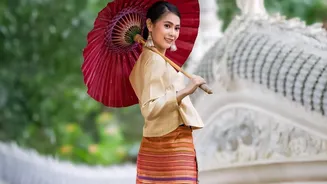
The core idea behind handloom's revival is simple yet transformative: make it wearable. Designers are achieving this by focusing on contemporary silhouettes and lighter, more breathable fabrics. Instead of only creating intricate sarees, they are crafting everything from tailored jackets and dresses to chic co-ord sets and even shirts from handwoven textiles. Brands like Ekaya are reimagining traditional Banarasi weaves into sculptural jackets and playful co-ords, proving the fabric's versatility beyond weddings. This involves blending age-old techniques with modern cuts, experimenting with lighter thread counts, and introducing new colour palettes that feel current and fresh. The goal isn't to change the craft itself, but to change how we connect with it.
Champions of the Contemporary Weave
Several homegrown labels are at the forefront of this movement. For instance, The Indian Peacock was founded specifically to move handwoven textiles from special occasions into the ordinary week. Brands like Ahmev are drawing inspiration from traditional art forms to create contemporary shirts, dresses, and kurtas from Chanderi and Fulia cotton. Others, like Jiwya, are focused on complete traceability, allowing customers to follow a garment's journey from plant fibre to finished product, working with over 150 artisan communities. These brands are not just selling clothes; they are building a bridge between rural artisans and urban consumers, often cutting out middlemen to ensure fair wages and preserving heritage skills.
Beyond the Saree: A Modern Wardrobe
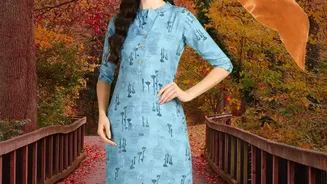
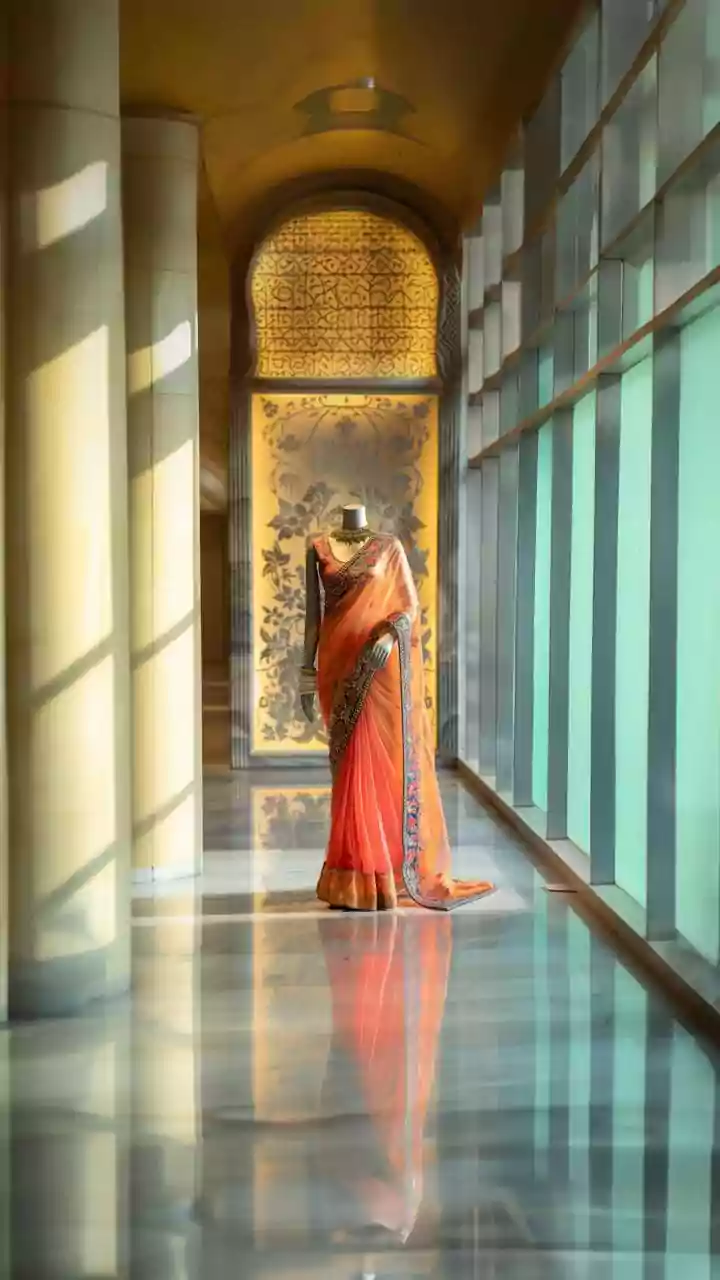
The success of this revival lies in its expansion beyond the six-yard drape. Today, you can find handloom in almost every part of a contemporary wardrobe. Think of crisp Khadi shirts, breathable linen trousers, and elegant Chanderi dresses suitable for office wear. Designers are even creating handloom denim and using fabrics like light Katan silk to craft modern co-ord sets. This diversification makes handloom accessible to a wider audience who may not wear sarees regularly but still appreciate the fabric's quality and story. By styling sarees with jackets, structured tops, and even corsets, designers are also showing how to integrate these traditional pieces into a modern look.
The Rise of the Conscious Consumer
This trend isn't just about aesthetics; it's deeply connected to a global shift towards sustainability and conscious consumption. Handloom production has an inherently low carbon footprint, using minimal to no electricity and often employing natural fibres and dyes. In an age of fast fashion, consumers are increasingly seeking out clothes with meaning, longevity, and a positive social impact. Choosing handloom is a way to support artisan communities, preserve centuries-old skills, and invest in high-quality, durable pieces that stand the test of time. This movement is about buying less but better, and feeling a genuine connection to the clothes we wear.