

A Festival Steeped in Sweetness
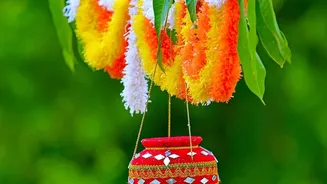
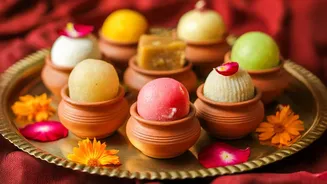
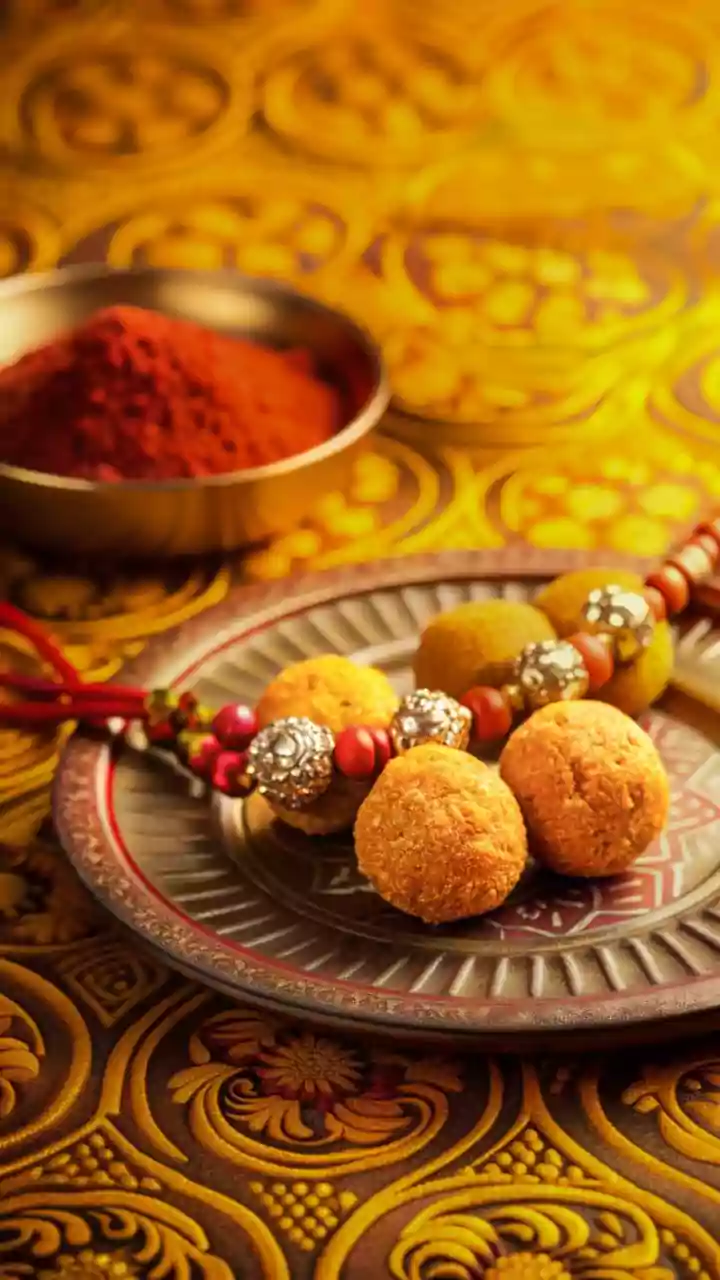
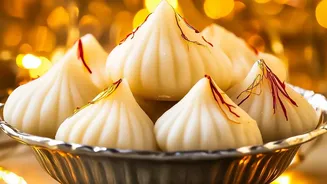
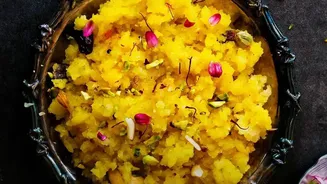
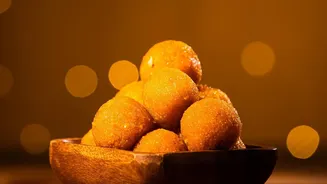
The festival of Janmashtami, celebrating the birth of Lord Krishna, is a vibrant tapestry of faith, fasting, and feasting. Central to the midnight celebrations is the 'bhog' or offering, a platter laden with delectable sweets. Traditional preparations
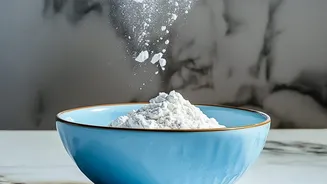
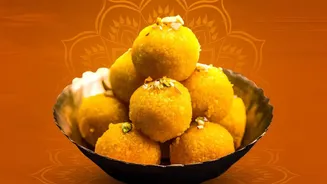
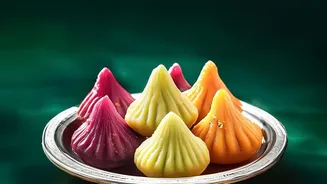
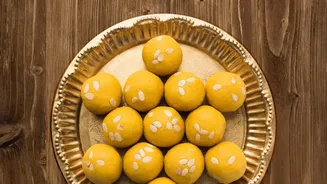
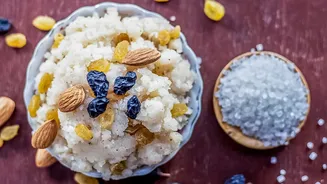
like Panjiri, a roasted whole wheat flour delicacy packed with nuts and ghee, creamy Makhana Kheer, and various milk-based pedas and barfis are more than just food; they are an embodiment of devotion and cultural heritage. For generations, these rich, sugary treats have defined the flavour of the festival, connecting families and communities in a shared culinary experience. The taste of these sweets is often a taste of childhood, of festive joy, and of spiritual observance.
The New Health-Conscious Wave
In recent years, a significant cultural shift has been taking place across India. A growing awareness around health and wellness, particularly among millennials and Gen Z, is changing how people eat, think, and live. This generation is more mindful of ingredients, scrutinising everything from refined sugars and flours to processed foods. This has created a modern conundrum during festivals: how does one partake in the joyous indulgence of traditional sweets without compromising on health goals? The heavy use of refined white sugar in most festive preparations is a primary concern for many, leading them to seek alternatives that align better with a balanced lifestyle. This isn't about rejecting tradition, but about adapting it to new priorities.
Innovation in the Millennial Kitchen
Enter the young, home-based chefs, food bloggers, and health-focused startups who are driving this change. The term 'youth collectives' often refers to this informal movement of individuals and small groups who are re-engineering classic recipes for a new era. Instead of refined sugar, they are turning to natural sweeteners. Jaggery, with its lower glycemic index and iron content, is a popular choice, as are date paste, monk fruit sweetener, and stevia. Traditional Dhaniya Panjiri is being made with powdered jaggery instead of sugar, and coconut laddoos are bound with jaggery syrup or coconut sugar. Dates and nuts are being blended to create energy bites that offer sweetness and nutrition without any added sugar at all.
Beyond Sugar: A Return to Ancient Grains
The innovation doesn't stop at sweeteners. There's a renewed interest in ancient Indian grains and millets, which are naturally gluten-free and packed with fibre and nutrients. Young cooks are swapping refined white flour (maida) and even whole wheat flour for millet flours like ragi (finger millet), jowar (sorghum), and bajra (pearl millet). You can now find recipes for Ragi Coconut Laddoos and Foxtail Millet Laddoos, which provide sustained energy—perfect for the night-long festivities. Makhana (fox nut) kheer is being prepared with low-fat milk, and poha (flattened rice) is being used to create healthy barfis sweetened with jaggery. This shift is also a nod to India's agricultural roots, celebrating indigenous grains that are both nutritious and sustainable.
Preserving Heritage by Reimagining It
Far from being a departure from tradition, these low-sugar twists are a vital act of cultural preservation. By making festive foods healthier and more accessible to a generation that prioritises wellness, these young innovators are ensuring that these culinary traditions don't become obsolete. They are keeping the spirit of Janmashtami alive, proving that devotion and health can go hand in hand. The 'bhog' of today might look slightly different—perhaps a tray of date-and-nut ladoos next to the classic panjiri—but the essence of offering the best of what you have remains the same. It's a delicious evolution, ensuring that the sweetness of Janmashtami can be enjoyed by everyone, guilt-free.