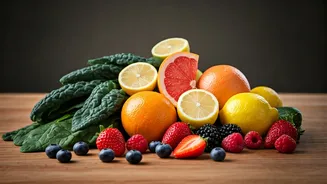








Citrus Fruits: The Vitamin C Classics
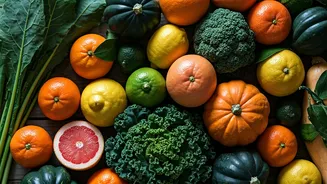
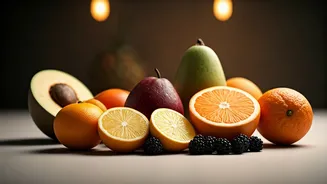
It’s the most famous advice for a reason. Oranges, grapefruits, lemons, and limes are packed with vitamin C, an antioxidant that plays a crucial role in immune function. While it may not prevent a cold outright, research suggests that consistent intake
can help shorten the duration and severity of illnesses. Vitamin C is thought to increase the production of white blood cells, which are key to fighting infections. Since your body doesn't produce or store it, you need a daily dose for continued effect. A single medium orange provides nearly a full day's recommended amount. Squeeze fresh lemon into your water, add grapefruit to your breakfast, or simply peel an orange for a simple, effective boost.
Leafy Greens: The Unsung Heroes
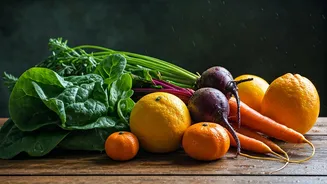
Don't overlook the power of a good salad. Dark leafy greens like spinach and kale are nutritional powerhouses that go far beyond just vitamin C. They are also rich in beta carotene and other antioxidants that help your body fight off invaders. Spinach is also a good source of folate and iron, which are vital for creating new immune cells. To get the most benefit, try to eat greens lightly cooked or raw. Overcooking can diminish their nutrient content. A simple sauté with garlic or a fresh kale salad with a citrus-based dressing can make these greens a delicious part of your daily defense.
Garlic: The Pungent Protector
Used for centuries in home remedies, garlic contains sulfur-containing compounds like allicin, which are released when a clove is crushed, chopped, or chewed. These compounds have been shown to have immune-boosting properties. While the science is still developing, some studies have indicated that regular garlic consumption may help reduce the frequency of common colds. Allicin is most potent shortly after the garlic is prepared, so for maximum benefit, let your chopped or crushed garlic sit for a few minutes before cooking. It’s a simple, flavorful addition to almost any savory dish, from pasta sauces to roasted vegetables.
Berries: The Antioxidant All-Stars
Deeply colored berries like blueberries, strawberries, and raspberries are loaded with flavonoids, a type of antioxidant that can help support the respiratory tract’s immune defense system. One specific flavonoid, anthocyanin—which gives blueberries their signature color—is particularly potent. A diet rich in these compounds can make you more resilient. Frozen berries are just as nutritious as fresh ones, making them an excellent and affordable choice year-round. Add them to your morning oatmeal, blend them into a smoothie, or mix them with yogurt for a powerful, immune-supporting snack.
Yogurt: The Gut-Health Guardian
A healthy gut is a cornerstone of a healthy immune system. A large portion of your immune cells reside in your gastrointestinal tract. Probiotics, the “good bacteria” found in fermented foods like yogurt, can help keep your gut microbiome balanced and robust. Look for plain yogurts with “live and active cultures” on the label to ensure you’re getting a beneficial dose of probiotics. Many yogurts are also fortified with vitamin D, another nutrient that is critical for regulating the immune system. Top your yogurt with some of the berries mentioned above for a double dose of defensive power.
Ginger and Turmeric: The Anti-Inflammatory Roots
These two potent roots are celebrated for their anti-inflammatory properties. Chronic inflammation can suppress immune function, so keeping it in check is key to staying healthy. Ginger can help with sore throats and nausea, while turmeric’s active compound, curcumin, is a powerful anti-inflammatory agent. Grate fresh ginger and turmeric into hot water with lemon for a soothing tea, or add them to soups, stir-fries, and curries. Remember to pair turmeric with a pinch of black pepper, which contains piperine, a substance that dramatically increases your body's ability to absorb curcumin.