




A New Decorating Philosophy
For a generation that values authenticity and sustainability, the appeal of fast furniture is fading. Gen Z is leading a significant shift in interior design, moving away from generic, plastic-heavy items and embracing decor that tells a story. This isn't
just about aesthetics; it's a conscious choice to create meaningful and environmentally friendly sanctuaries. Unlike previous trends that leaned towards stark minimalism, this new approach is about curated warmth and personality. The goal is to build a home that reflects one's identity and values, where every object has a purpose and a past. This philosophy is particularly powerful in the context of small city apartments, where every square foot is precious.
Small Spaces, Big Impact
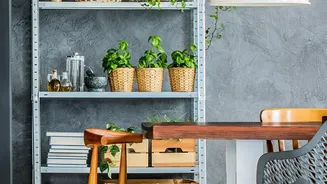
One of the biggest challenges in a small apartment is making it feel spacious and uncluttered without sacrificing personality. This is where Indian handicrafts shine. Their natural textures and earthy tones add depth and character without overwhelming the space. Gen Z is cleverly using vertical space with items like bamboo wall shelves, macrame plant hangers, and hand-painted wall plates. Multi-functional furniture, a boon for compact homes, is being reinterpreted with a traditional twist. Think beautifully carved wooden trunks that double as coffee tables or storage chests, and sleek cane chairs that are lightweight and visually airy. The focus is on making smart, space-saving choices that are also beautiful and sustainable.
Spotlight on Earth and Fibre
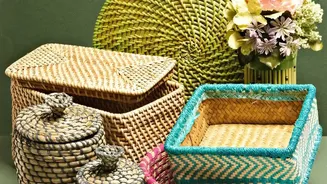
The “plastic-free” aspect of this trend puts natural, biodegradable materials in the spotlight. Crafts made from earth and fibre are particularly popular. Terracotta, for example, is making a huge comeback. No longer just for garden pots, it's being used for stylish water pitchers, decorative vases, and even lamps, bringing an earthy elegance indoors. On the fibre front, materials like jute, cane, and bamboo are being woven into a variety of modern decor items. Jute rugs and baskets add instant texture, while cane and bamboo furniture offer a light, bohemian feel that is perfect for smaller rooms. These materials are renewable, durable, and connect the home to nature, a principle known as biophilic design which is gaining immense popularity.
Beyond Aesthetics: The Conscious Choice
Choosing Indian handicrafts is about more than just styling a home; it's a socially and environmentally conscious decision. This trend empowers local artisans and helps preserve age-old craft traditions that are at risk of fading away. By purchasing handmade goods, consumers are supporting rural livelihoods and ensuring fair wages for skilled craftspeople. Furthermore, the emphasis on natural and reclaimed materials significantly reduces the carbon footprint associated with home decor. Instead of contributing to landfill waste with disposable plastic goods, these homeowners are investing in timeless pieces that are biodegradable and built to last. It's a holistic approach where style, sustainability, and social responsibility go hand in hand.
How to Embrace the Trend
Adopting this style doesn't require a complete overhaul. Start small by incorporating a few key pieces. Swap out plastic planters for terracotta ones or replace a synthetic rug with one made of jute. Mix traditional items with your existing modern furniture to create a look that is personal and eclectic. Explore local markets, artisan collectives, and online stores that connect buyers directly with craftspeople to find authentic pieces. Look for items like handwoven cushion covers from old sarees, block-printed runners, or wooden cutlery. The idea is not to create a museum of crafts, but to thoughtfully integrate pieces that resonate with your personal style and values, creating a home that is truly your own.