





First, Decode Your Sunlight
Before you buy a single plant, become an expert on your balcony’s light. This is the most critical factor for success. Spend a day observing how the sun moves across your space. A simple way to do this is to take a photo every hour or two. If an object
casts a sharp, clear shadow, that area is getting direct sun. Most vegetables and flowering plants need at least six hours of direct sun to thrive. A south-facing balcony might get this all day, making it ideal for sun-lovers like tomatoes, succulents, and marigolds. An east-facing balcony gets gentler morning sun, while a west-facing one gets intense afternoon heat. A north-facing or heavily shaded balcony that gets less than three hours of direct sun is best for shade-tolerant plants like ferns, hostas, and some leafy greens like spinach or lettuce. Matching the plant to the light you have is the first and most important hack.
Master the Art of Watering
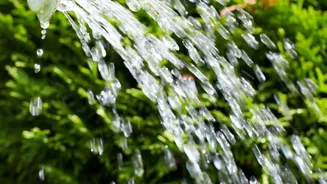
Container plants dry out much faster than plants in the ground, so you can't water them on a strict schedule. The best tool for checking moisture is your finger. Stick it one to two inches into the soil; if it feels dry, it's time to water. In hot summer months, many balcony plants will need watering every day, and sometimes even twice a day for small pots in direct sun. Always use pots with drainage holes and water until you see excess run out the bottom. This ensures the entire root system gets a drink. Morning is the best time to water, as it prepares plants for the day's heat and reduces the risk of fungal diseases. One clever hack is to lift the pot. A dry pot feels significantly lighter than a well-watered one, giving you an intuitive sense of its needs.
Choose the Right Plants and Pots
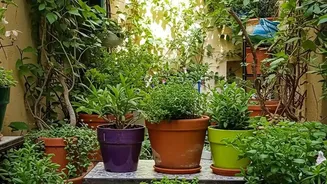
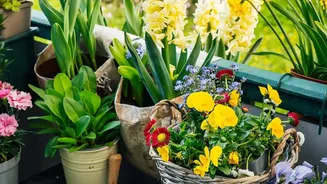
For beginners, starting with easy-to-grow, resilient plants is key. For sunny spots, consider herbs like basil and rosemary, cherry tomatoes, or succulents. For shadier balconies, try mint, parsley, lettuce, or begonias. When selecting plants, always choose varieties that are naturally compact or described as suitable for containers. The pot itself also matters. Terracotta pots are porous and dry out quickly, which is great for succulents but means more frequent watering for other plants. Plastic or glazed ceramic pots retain moisture longer. No matter the material, ensure the pot is large enough for the plant's root system to grow. If you're concerned about weight on your balcony, opt for lightweight fiberglass containers or fabric grow bags instead of heavy ceramic.
Soil Is Everything
Never use soil directly from a garden bed in your pots. It's too dense, compacts easily, and can lead to poor drainage and root rot. Your plants rely completely on what's in their container for nutrients and support. The best foundation is a high-quality potting mix designed for containers. These mixes are lightweight and formulated to balance moisture retention with good aeration. For an even better blend, look for a mix containing peat moss or coco coir, compost for nutrients, and perlite (small white volcanic rocks) to improve drainage and airflow. A simple but effective hack is to refresh the top few inches of soil every few months with fresh compost to replenish nutrients.
Clever Hacks for a Thriving Garden
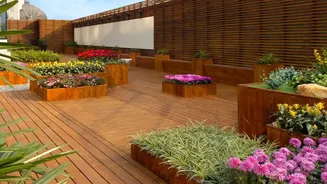
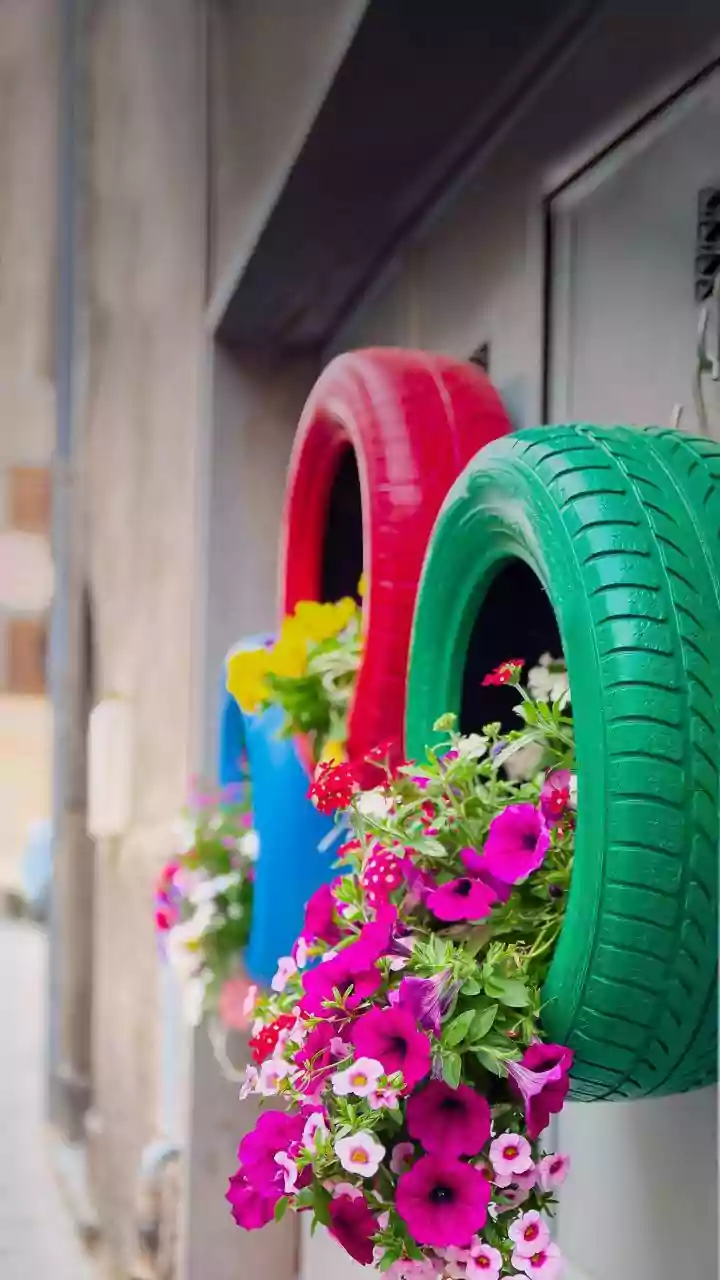
Ready to go beyond the basics? Group plants with similar light and water needs together. This makes care more efficient and can create a microclimate where plants protect each other from wind and heat. To maximize a small footprint, think vertically. Use railing planters, hanging baskets, or wall-mounted trellises to draw the eye upward and make more room for greenery. For thirsty plants, a self-watering pot can be a lifesaver, providing a consistent supply of moisture from a built-in reservoir. Finally, get into the habit of rotating your pots a quarter turn each week. This encourages even growth on all sides and prevents plants from leaning excessively towards the light.