





The Music of the Monsoon
The name 'Badal Raag' literally translates to 'Cloud Melody'. It draws from a deep tradition in Indian classical music where specific ragas are associated with particular times of day, seasons, and emotions. The most famous of these are the Malhar ragas,
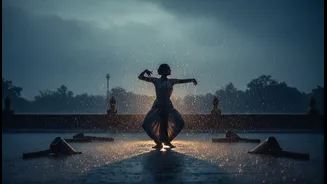
a family of melodies believed to have the power to induce rain. For centuries, poets and musicians have used these ragas to express the longing, romance, and relief associated with the monsoon. The festival is thus an ode to 'Pavas', the monsoon season, channelling its entire emotional spectrum through song, instrumental music, and dance. The Samaroha (or festival) is a curated experience featuring artists who interpret these ancient traditions, from soulful vocal recitals of Raga Megh to vibrant Kathak performances inspired by Kalidasa's classic poem, 'Meghdoot' (The Cloud Messenger).
Bhopal's Ode to the Clouds
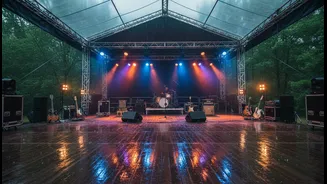
Hosted annually at the iconic Bharat Bhavan in Bhopal, the Badal Raag Samaroha is a cornerstone of Madhya Pradesh's cultural calendar. Organized by the Department of Culture, the festival brings together renowned artists from across the country for several evenings of performances, offered free to the public. The venue itself, a multi-arts complex designed by architect Charles Correa, often plays a role. Its open-air courtyards and proximity to the lake create an environment where the line between the performance and the prevailing atmosphere is beautifully blurred. The aim is to showcase and promote the state's rich artistic heritage on a national stage, using the universal theme of the monsoon as a powerful backdrop.
Embracing the Unpredictable
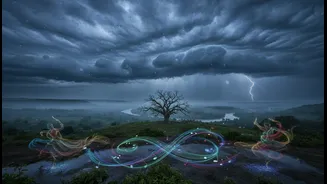
This is where the festival becomes a fascinating 'case study'. Unlike a concert in a controlled, air-conditioned hall, Badal Raag Samaroha happens in the very season it celebrates. This introduces a powerful element of chance. Will it drizzle during a rendition of Miyan ki Malhar, heightening the mood? Or will the skies remain stubbornly clear, adding a layer of ironic tension? This uncertainty is not a flaw; it's the central feature. Each year is different. The experience for the artists and the audience is shaped by the weather of that specific evening. This dynamic interplay between art and nature makes the festival a living performance. A sudden gust of wind, the distant rumble of thunder, or an unexpected downpour becomes part of the show, a collaboration between the musician and the monsoon itself. The artists often respond in real-time, their improvisations guided by the moody sky, creating a truly unique and unrepeatable event.
More Than Just a Concert
The festival serves as a microcosm of India's larger relationship with the monsoon. The season is a dual-faced entity; it is the lifeblood of the agrarian economy, bringing relief from the scorching summer heat, but it also holds the potential for devastating floods and disruption. This duality of creation and destruction is deeply embedded in the cultural psyche. The 'Badal Raag' poem by Suryakant Tripathi 'Nirala', from which the festival likely draws its name, portrays clouds as harbingers of revolution—bringing hope for the oppressed and fear for the powerful. Similarly, the festival isn't just about pleasant rainy-day melodies. It encapsulates the entire gamut of feelings: the anticipation, the joy of the first rains, the romance of a cloudy day, and the underlying respect for nature's immense power. It is a shared cultural experience where a community comes together to collectively acknowledge their connection to and dependence on the season.