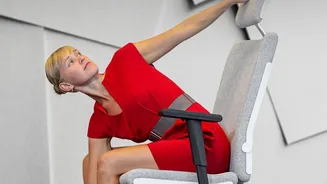








The Desk Job Dilemma
Spending eight hours a day in a chair can take a toll on your body. From a slower metabolism to tight hips and a weak back, a sedentary lifestyle poses several health challenges. Regular exercise is the most effective way to counteract these effects,
but with limited time and energy, choosing the right workout is crucial. This is where the debate between High-Intensity Interval Training (HIIT) and Low-Intensity Steady-State (LISS) cardio begins. Both can improve your health, but they cater to very different needs and goals.
What is HIIT? The Fast and Furious Option
High-Intensity Interval Training involves short, explosive bursts of exercise where your heart rate soars, followed by brief recovery periods. Think of 30 seconds of sprinting on a treadmill followed by 60 seconds of walking, repeated for 15-20 minutes. The main appeal of HIIT is its efficiency; you can get a significant workout in a short amount of time, making it perfect for a busy schedule. It's known for boosting metabolism, which can lead to continued calorie burn even after you've finished exercising—a phenomenon called the 'afterburn effect'.
What is LISS? The Slow and Steady Path
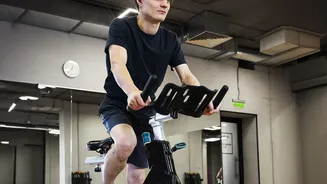
Low-Intensity Steady-State cardio is the opposite. It involves maintaining a consistent, low-to-moderate pace for a longer duration, typically 30-60 minutes. Examples include a brisk walk, a steady cycle, or a light jog where you can still hold a conversation. LISS is less demanding on the body, making it an excellent choice for beginners, those recovering from injury, or anyone looking for a less strenuous way to stay active. Its gentle nature also makes it a powerful tool for stress reduction and active recovery between more intense workouts.
The Showdown: Key Differences for Office Workers
For someone sitting all day, the choice depends on several factors. If you're short on time, a 20-minute HIIT session is more efficient than a 45-minute LISS workout. However, HIIT is high-impact and carries a greater risk of injury, especially for beginners or those with joint issues, which can be a concern for a body not accustomed to intense movement. LISS is gentler on the joints and easier to sustain consistently, which is key for building a lasting habit. While both are effective for fat loss, HIIT burns calories faster, but LISS can be done more frequently and for longer, potentially leading to similar results over time.
Goal Alignment: Weight Loss vs. Mental Wellness
Your personal goals should guide your choice. If your primary objective is rapid fat loss and improved athletic performance, HIIT's metabolic benefits are hard to beat. It pushes your cardiovascular system to adapt quickly. On the other hand, if you're looking for a way to de-stress after a long day at the office, the meditative, rhythmic nature of LISS can be more beneficial for mental well-being. It promotes blood flow and helps manage chronic pain or stiffness from sitting, making it a great recovery tool.
The Best of Both Worlds: A Hybrid Approach
You don't have to choose just one. In fact, many fitness experts recommend a combination of both HIIT and LISS for a well-rounded routine. You could perform two HIIT sessions a week on days when you feel energetic and have less time, and incorporate two or three LISS sessions on other days for active recovery and endurance building. For example, a brisk 40-minute walk on your lunch break (LISS) can complement a more intense 20-minute HIIT session after work. This approach helps you reap the benefits of both while preventing burnout and injury.