





An Annual Health Emergency
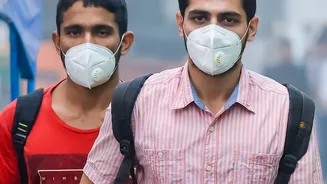
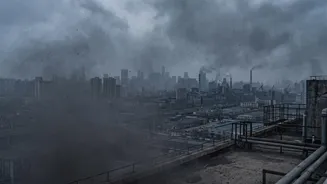
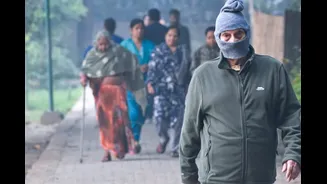
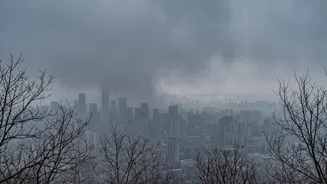
On Friday, November 13, 2026, Delhi's overall Air Quality Index (AQI) surged into the 'Severe' category, with some monitoring stations recording levels as high as 488. This recurring crisis, fueled by crop burning, vehicular emissions, and weather patterns,
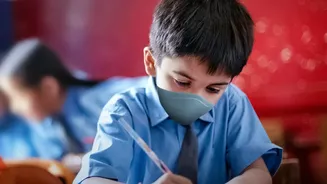
transforms the simple act of breathing into a health hazard. For children, whose respiratory systems are still developing, the danger is magnified. They breathe more air relative to their body weight, inhaling a higher concentration of pollutants like PM2.5, which can penetrate deep into their lungs and even enter the bloodstream. Pediatricians report a seasonal spike in cases of aggravated asthma, bronchitis, and persistent coughs, advising parents to keep their children indoors as much as possible.
The Schooling Dilemma: Online vs. Offline
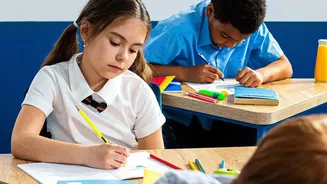
With the air quality deteriorating, authorities are once again grappling with whether to close schools. The Commission for Air Quality Management (CAQM) has invoked Stage III restrictions and recommended that states consider shifting junior classes online. Several Delhi University colleges have already moved classes to a virtual format to protect students. This brings back a familiar debate for parents and educators. On one hand, keeping schools open exposes children to hazardous air during their commute and outdoor activities. On the other, a return to online classes raises concerns about learning gaps, digital access inequality, and the social isolation that became all too common during the pandemic. It's a challenging trade-off between immediate physical health and the long-term developmental needs of a child.
The Hidden Toll: Anxiety and Mental Health
Beyond the coughs and breathing difficulties lies a quieter, but equally worrying, impact on children's mental health. Experts are increasingly highlighting the rise of 'eco-anxiety' among the young. Forced to stay indoors for days on end, children are missing out on essential playtime and social interaction. This confinement, coupled with constant conversations about 'bad air' and the sight of a grey, smoggy sky, can lead to feelings of irritation, fear, and restlessness. A 2026 survey of children in Delhi-NCR found that nearly 70% felt stressed due to poor air quality, with 77% reporting feelings of anxiety or distress. The disruption to their routine and the loss of simple childhood joys, like playing in a park, is a significant psychological burden.
A Parent's Guide to Navigating the Smog
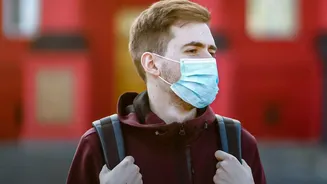
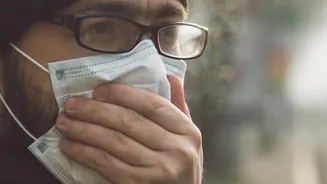
While systemic solutions are critical, parents can take immediate steps to mitigate the harm. The first line of defense is to create a safe zone at home. Investing in a quality HEPA air purifier for the rooms where children spend the most time, especially the bedroom, can significantly reduce indoor PM2.5 levels. It's also crucial to seal gaps around windows and doors to prevent polluted air from seeping in. Parents should avoid burning incense or using other indoor pollutants and ensure the kitchen is well-ventilated during cooking. When travel is unavoidable on high-pollution days, a well-fitted N95 mask is recommended for older children. Monitoring the daily AQI through reliable apps can help in planning any essential outdoor activity for times when the air is relatively better, typically in the afternoon.
Managing Cabin Fever and Anxious Minds
Tackling the mental health impact of being cooped up requires creativity and open communication. Parents can organize engaging indoor activities like board games, arts and crafts, or building forts to keep children active and stimulated. Maintaining a sense of normalcy through a structured daily routine can also be reassuring. It's important to talk to children about what's happening in an age-appropriate and non-alarming way, acknowledging their feelings of frustration or sadness. Limiting their exposure to distressing news about pollution can help reduce anxiety. Instead, focus on what you as a family can control, like keeping the indoor air clean and finding new ways to have fun together inside.