



From Bikaner to London
The familiar names of Haldiram's and Bikanervala, long associated with delicious bhujia and sweets, are now making headlines for an entirely different reason: ambitious international restaurant expansions. In a significant strategic shift, these household
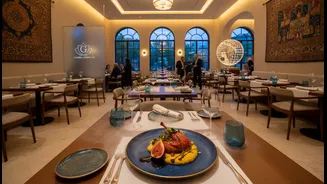
brands are moving beyond simply exporting packaged goods. They are creating immersive dining experiences in major global cities. A prime example is Haldiram's recent opening of a large, 120-seat restaurant in London's bustling Leicester Square in June 2026. This isn't just a snack counter; it's a full-service establishment designed to capture the interest of both the Indian diaspora and curious international foodies. This move signals a new era of confidence, where brands born in India are now building a physical, experiential presence on the world stage, backed by significant foreign investment.
The New Dining Experience
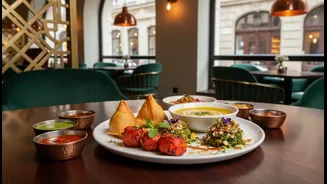
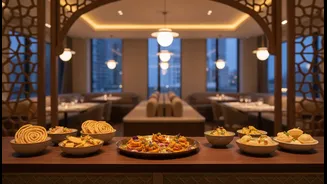
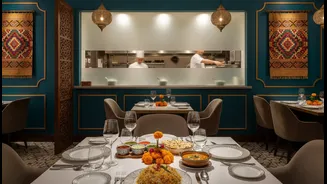
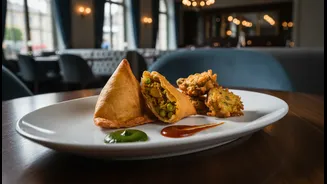
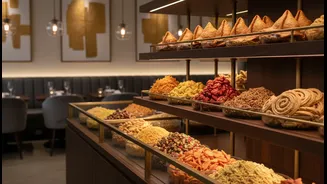
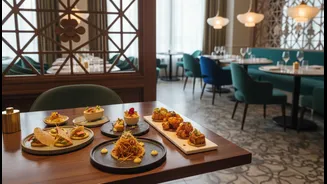
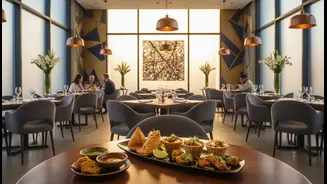
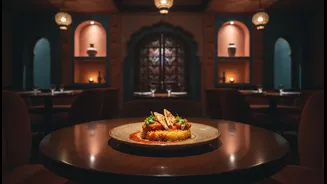
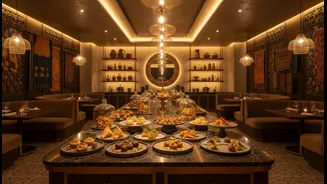
So, what does it mean to blend tradition with modern dining? For these brands, it’s about creating an atmosphere that is both contemporary and comfortable, a far cry from the quick-service outlets common in India. The London Haldiram's, for instance, is a 3,000-square-foot venue inspired by successful casual dining chains like Dishoom, featuring an experiential model with heated outdoor seating. The goal is to create a 'destination' where patrons can enjoy a leisurely meal. The menu itself is a careful mix of classic offerings—like chole bhature and pani puri—and newer, adapted items, including more vegan options to appeal to a broader audience. Bikanervala, which has opened outlets in the UK, USA, and Canada, similarly offers a full dine-in service that complements its traditional sweet and snack counters, creating a hybrid model that blends retail with restaurant service.
A Strategy Beyond Nostalgia
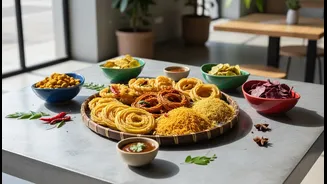
While the large and affluent Indian diaspora provides a ready-made market, the strategy extends far beyond catering to nostalgia. The ultimate goal is to win over mainstream international customers. This requires a delicate balancing act: maintaining the authentic flavours that define the brand while adapting to local palates and dining habits. The rise of fast-casual dining globally has created a perfect opening. Consumers are more adventurous than ever, seeking authentic, diverse ethnic cuisines. By offering customisable bowls, Indian-inspired sandwiches, and visually appealing street food platters, these brands are tapping into the modern diner's desire for an experience that is both flavourful and 'Instagrammable'.
Challenges on the Global Stage
This global expansion is not without its hurdles. Competition is fierce, not just from other Indian brands but also from established international food giants. Navigating the complex web of international food regulations, managing global supply chains, and ensuring consistent quality across continents are significant operational challenges. Furthermore, there's the constant challenge of adaptation. How much can a recipe be tweaked for a Western palate before it loses its soul? Rhea Agarwal, who heads Haldiram's European expansion, acknowledges this tightrope walk between brand heritage and future ambition. Success depends on getting this balance right, ensuring that the food remains true to its roots while being accessible to a new audience.