
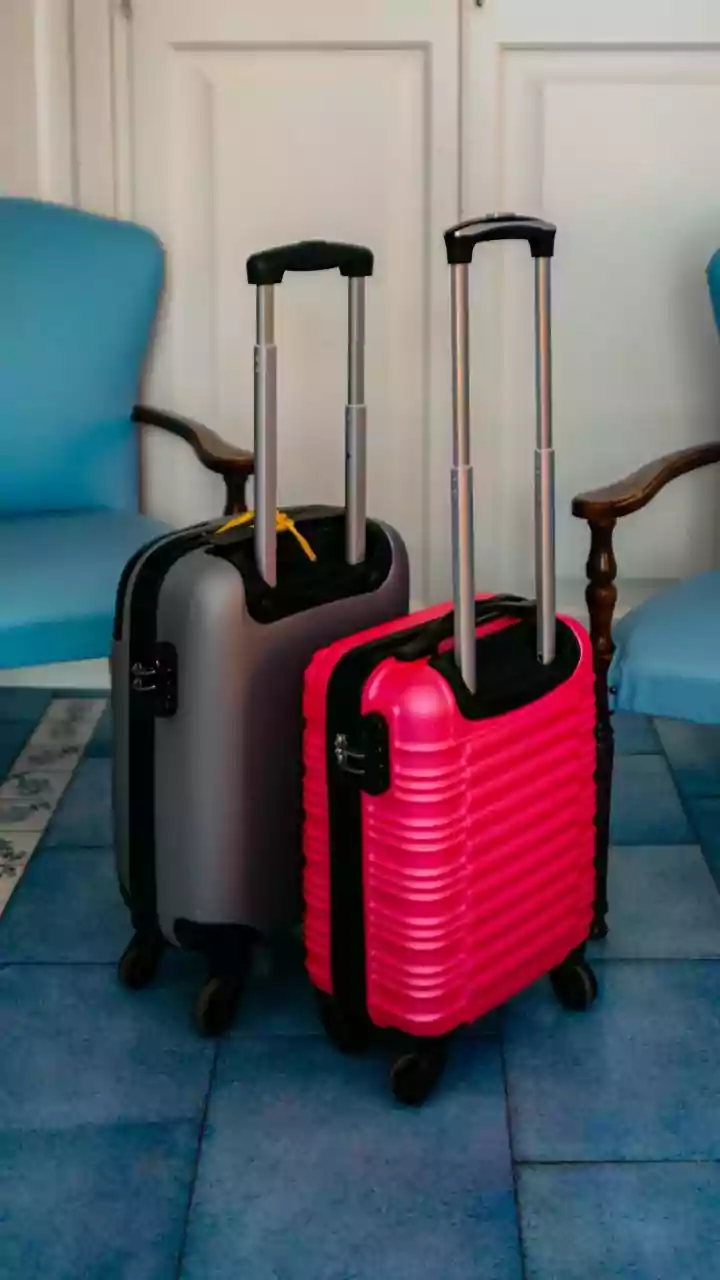



The thrill of planning your first solo trip is unmatched—the freedom, the adventure, the independence. But amid the excitement of booking flights and scouting locations, there's one simple, five-minute task that too many travellers forget.
Your Phone's Most Important Feature
Most modern
smartphones have a built-in feature for 'In Case of Emergency' (ICE) contacts. This allows first responders, medical personnel, or even a helpful stranger to access a designated contact's information without needing to unlock your phone. In a situation where you are unconscious, disoriented, or unable to communicate, this digital lifeline can be the difference between immediate assistance and a dangerous delay. Setting it up is simple. On an iPhone, this is done through the Health app under 'Medical ID'. On Android devices, it's typically found in the 'Safety & emergency' section of your Settings. You can add key contacts and even vital medical information like allergies or blood type. This is the first, fastest way for someone to help by contacting a person who knows you.
Beyond the Digital Lifeline
While your phone is the most obvious place for emergency information, it shouldn't be the only one. Phones can be lost, damaged, or run out of battery. A robust safety plan includes physical backups. Write your emergency contact's name and number on a small card and place it in your wallet, another in your luggage, and perhaps even a third tucked into your shoe. If you're staying in a hotel, it's wise to leave your contact's details with the front desk, along with your general itinerary for the day. This creates multiple points of failure; if one method is inaccessible, another is still available. It's a low-tech solution to a high-stakes problem.
Equipping Your Emergency Contact
Simply providing a name and number is only half the task. Your emergency contact needs to be equipped with the right information to help you effectively. Before you leave, share a comprehensive document with a trusted friend or family member. This should include a copy of your passport and any visas, your flight and accommodation details, and your travel insurance policy number and contact information. Giving them a copy of your rough itinerary lets them know your general whereabouts. This person becomes your advocate back home, able to wire funds, contact your embassy, or coordinate with medical staff on your behalf when you might be unable to do so yourself.
When Seconds Count: Real-World Scenarios
It's easy to dismiss these precautions as overly cautious, but emergencies happen. A sudden illness in a foreign country, a traffic accident on a rented scooter, or the simple misfortune of a lost or stolen wallet can quickly escalate into a crisis for a solo traveller. In these moments, you may be unable to speak the local language, access your own funds, or even remember key details due to stress or injury. Having a pre-established emergency system allows someone else to start making crucial phone calls, verifying your identity with officials, and setting the wheels of support in motion. It's not about planning for the worst-case scenario out of fear, but about ensuring that a minor mishap doesn't turn into a major disaster.