
The Drivers of a New Diet
This shift isn't about abandoning tradition but enhancing it, driven by a surge in health awareness and access to information. Urban lifestyles, coupled with a greater understanding of chronic conditions, have prompted many to look closely at what they
eat. Consumers are no longer just counting calories; they're analysing nutrients. This growing consciousness is supported by everything from social media influencers sharing nutritious recipes to government campaigns promoting ancient grains. The result is a proactive approach to wellness, where food is seen as a primary tool for preventative health.
Protein Gets a Promotion
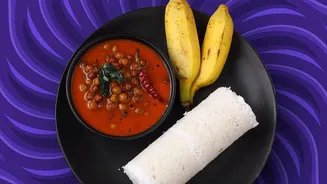
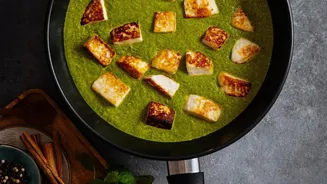
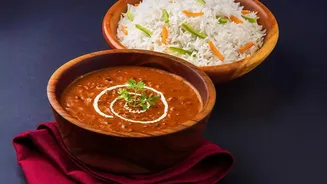
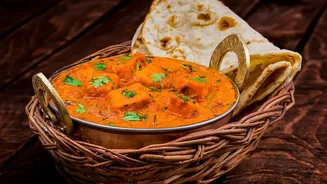
For years, many Indian meals were predominantly carbohydrate-centric. While delicious, a typical plate of roti or rice with a small portion of dal often fell short of daily protein needs. Today, home cooks are consciously working to close this gap. This means moving beyond dal as the sole protein player. Paneer, tofu, soya chunks, and eggs are becoming regular additions to curries and stir-fries. Meals are being structured to ensure a protein source is present at breakfast, lunch, and dinner. This could be as simple as adding nuts and seeds to breakfast poha, ensuring a bowl of curd with lunch, or preparing paneer bhurji for dinner.
The Great Millet Revival
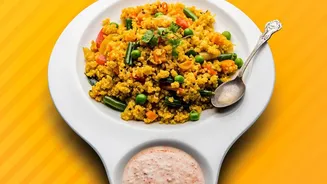
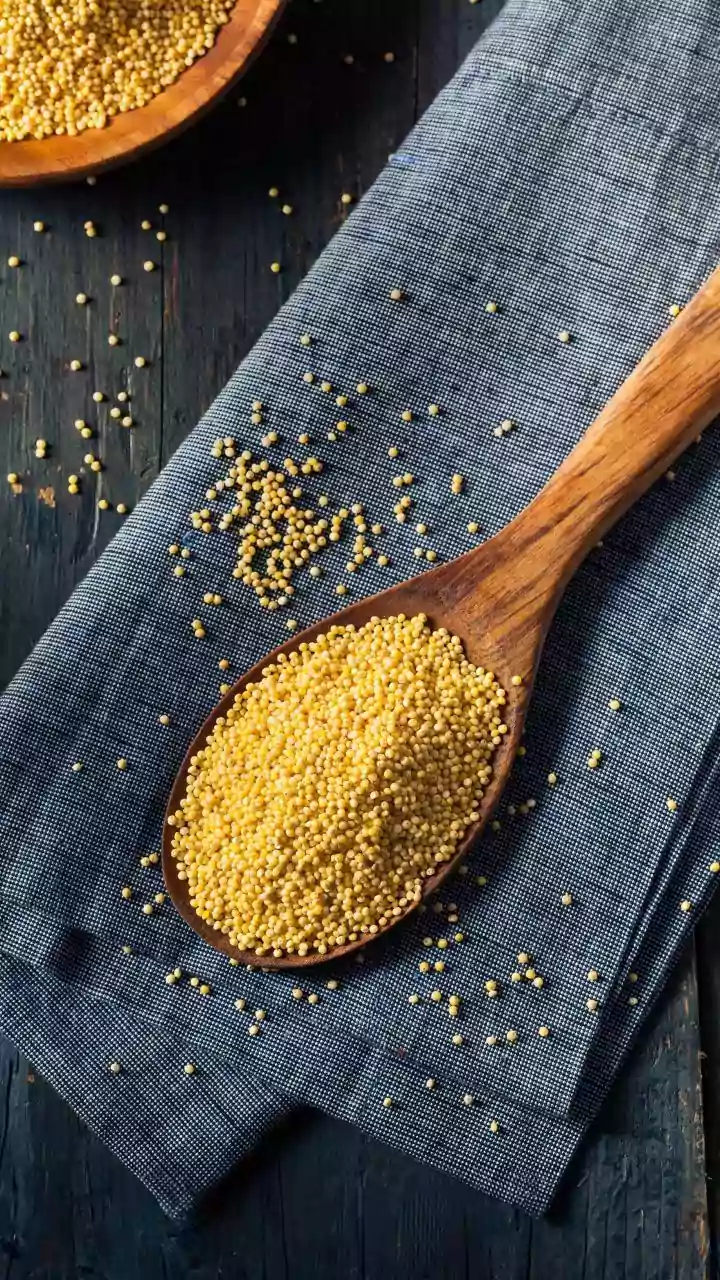
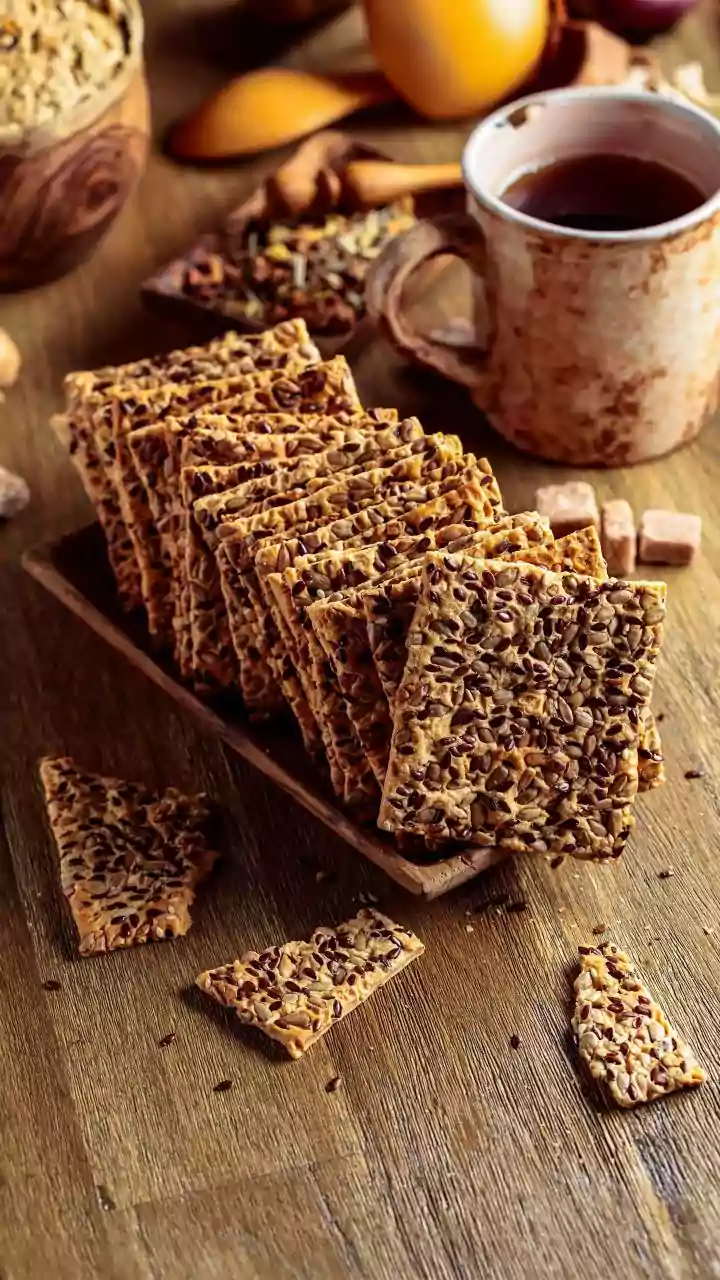
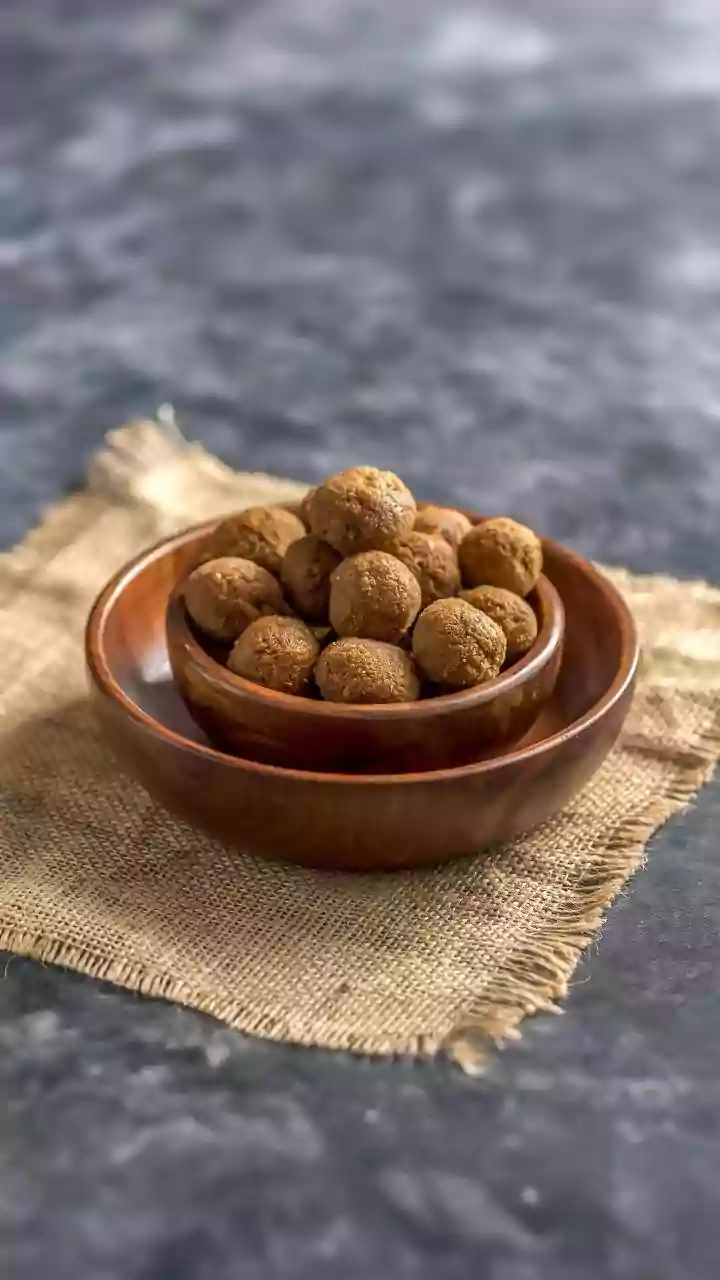
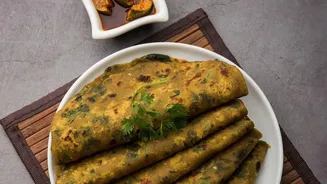
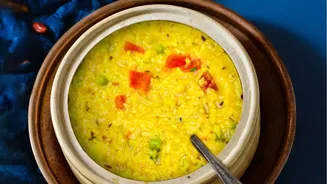
Another key component of this culinary reimagination is the renewed focus on fibre, most notably through the comeback of millets. Grains like jowar (sorghum), bajra (pearl millet), and ragi (finger millet), once staples in rural and traditional diets, were largely replaced by polished rice and wheat over the past few decades. Now, they are being celebrated for their rich fibre, protein, and mineral content. Home cooks are swapping refined flour rotis for bhakris made from jowar or bajra, and using millet grains to make everything from upma and khichdi to salads and dosas. This revival isn't just about nutrition; it's also a nod to culinary heritage and sustainable agriculture.
More Than Just 'Healthy'
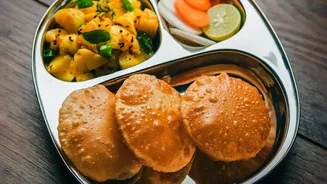
Crucially, this new approach to Indian home cooking is not about bland or restrictive 'diet food'. The emphasis on variety ensures that meals are as flavourful and exciting as ever. It’s about incorporating a wider array of vegetables, exploring different types of legumes, and using traditional cooking techniques like steaming and roasting more often. Home cooks are experimenting with modern formats like salads with Indian-style dressings, hearty grain bowls, and stuffed chillas. Spices, the soul of Indian food, continue to play a central role, ensuring that these nutrient-dense meals are also delicious and satisfying. This evolution proves that healthy eating and the rich, diverse flavours of Indian cuisine can go hand in hand.