









The Unseen Source Underfoot
The term “urban over-mats” covers a range of synthetic surfaces we walk on daily. Think of the bristly welcome mat at a shop entrance, the artificial grass in a playground, or the heavy-duty runners in office buildings. These are typically made from durable
plastics like polypropylene, nylon, and polyethylene. Designed for high traffic, their purpose is to be tough and weather-resistant. However, this durability comes at a cost. Constant use, exposure to sunlight, and even routine cleaning cause these materials to degrade. This process of wear and tear breaks down the synthetic fibres, creating countless tiny plastic fragments—microfibres—that sit loosely on the mat's surface, waiting to be carried away.
How Rain Unleashes a Plastic Flood
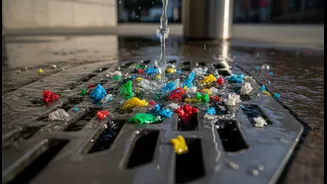
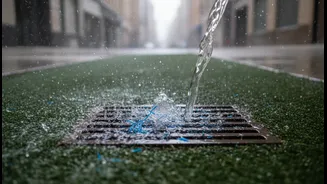
A heavy downpour is the perfect transport system for these loose microfibres. While a dry mat sheds fibres through friction, rainfall acts as a powerful flushing mechanism. The force of the water dislodges the tiny plastic particles, washing them off the surfaces in massive quantities. This stormwater runoff is a major pathway for microplastics into the environment, often containing much higher concentrations of pollutants than treated wastewater. Studies in Indian cities like Delhi and Kolkata have highlighted how stormwater drains act as major conduits, channeling pollution from urban surfaces directly into rivers like the Yamuna. The problem is particularly acute during monsoon season, when intense and continuous rainfall accelerates this plastic leaching process.
A Hidden Journey to Our Watersheds
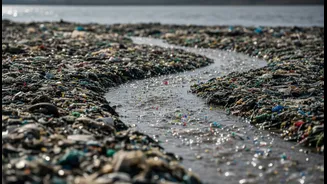
Once washed into the street, the journey of these microfibres is swift and direct. They flow into stormwater drains which, in many Indian cities, are not designed to filter out such small particles. Unlike household wastewater, which often goes to a treatment plant, stormwater is frequently discharged directly into the nearest water body. This means billions of plastic fragments from mats, artificial turf, and tyre wear are funneled straight into local streams, rivers, and lakes. Research shows that these urban drainage channels are significant sources of microplastic contamination, feeding a constant stream of pollution into vital freshwater systems.
The Cascade of Contamination
The impact of this contamination is extensive. Microfibres do not simply float harmlessly; they act like sponges for other harmful pollutants in the water, such as pesticides and heavy metals. Aquatic organisms mistake these fibres for food. Ingestion can cause internal injuries, block digestive tracts, and lead to starvation. As smaller organisms are eaten by larger fish, these plastics and the toxins they carry accumulate up the food chain, a process known as bioaccumulation. This poses a threat not only to wildlife but also potentially to human health, as these contaminants find their way into the water we drink and the food we eat. Studies have documented significant microplastic pollution in urban lakes across India, noting that they are often more polluted than lakes in other parts of the world.
Towards Cleaner Thresholds
Addressing this issue requires a two-pronged approach focusing on both materials and infrastructure. Opting for mats made from natural, biodegradable materials like coir, jute, or recycled rubber is a simple but effective step. These alternatives do not shed plastic fibres and are more environmentally friendly at the end of their life. On a larger scale, improving urban infrastructure is crucial. This includes investing in better stormwater filtration systems that can capture microplastics before they reach our waterways. Manufacturers also have a role to play in designing more durable products that shed fewer fibres and taking responsibility for their end-of-life disposal. By making more conscious choices as consumers and demanding better urban planning, we can begin to stem the invisible tide of plastic pollution from our own doorsteps.