


The Science of Summer Sweat
When you exercise in the heat, your body sweats to cool down. This is a vital function, but it comes at a cost. Sweat isn't just water; it's also packed with essential minerals called electrolytes. The primary electrolytes lost through sweat are sodium
and chloride, with smaller amounts of potassium, magnesium, and calcium also being depleted. An imbalance in these minerals, particularly a drop in sodium, is a major contributor to painful, involuntary muscle spasms known as heat cramps. Simply drinking plain water can rehydrate you, but it doesn't replace these lost electrolytes and can even further dilute their concentration in your body, making cramps more likely.
Coconut Water: Nature's Potassium Powerhouse
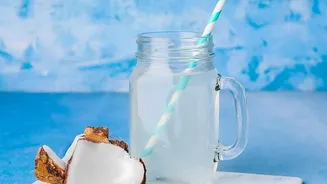
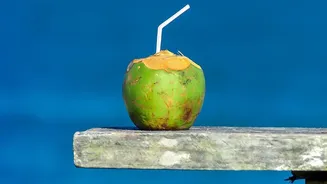
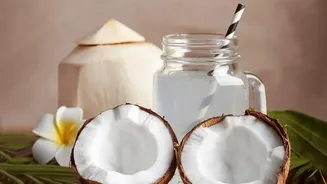
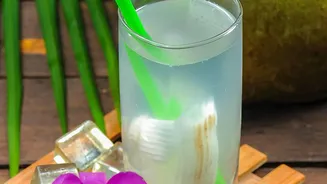
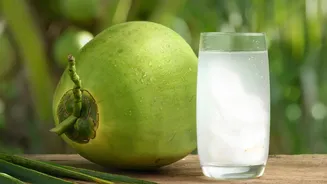
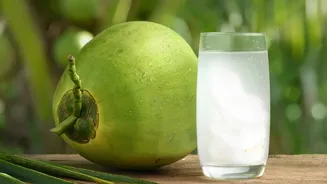
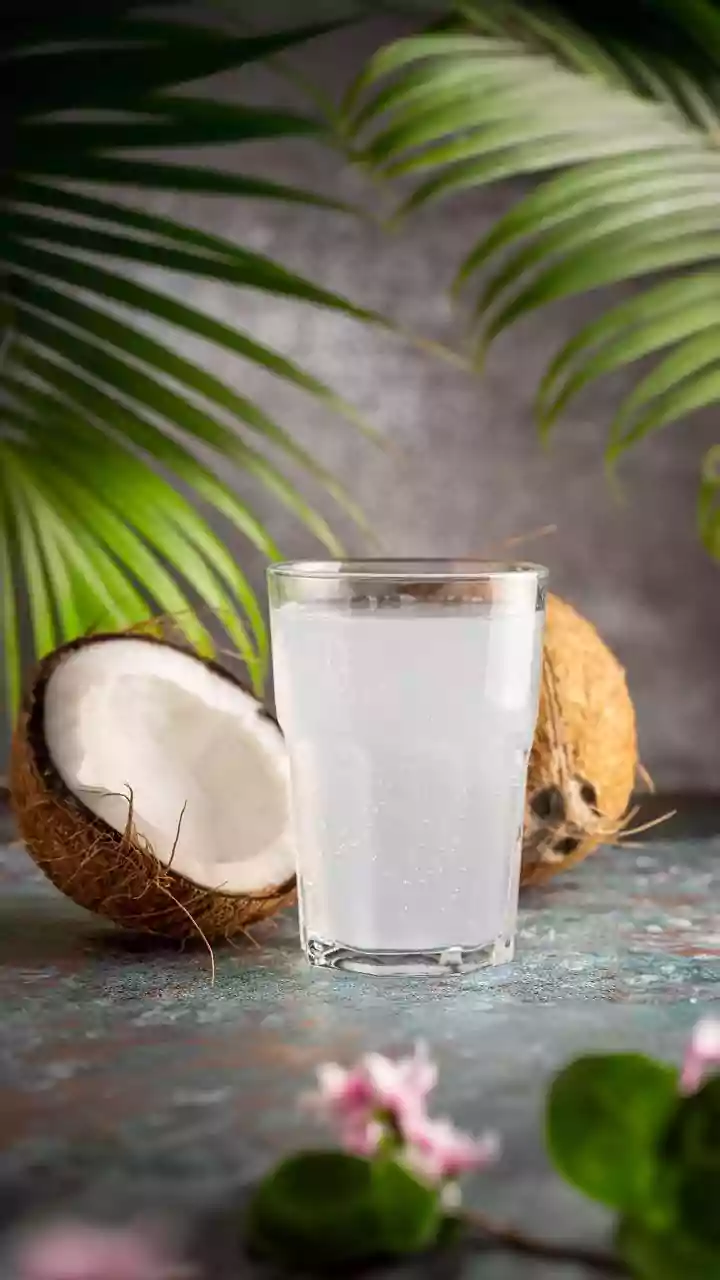
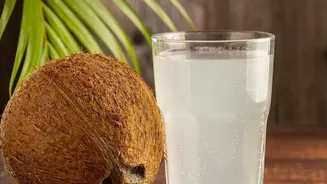
Coconut water has gained popularity as a natural alternative to sugary sports drinks for good reason. It is exceptionally rich in potassium, a crucial electrolyte for proper muscle function. Potassium plays a key role inside our cells, working in tandem with sodium to regulate fluid balance and nerve signals that control muscle contractions and relaxation. A single cup of coconut water can contain more potassium than a banana, making it an excellent base for a rehydration drink. It also provides smaller amounts of other important electrolytes like magnesium, calcium, and phosphorus.
Why You Must Add Salt
While coconut water is a star when it comes to potassium, it is naturally low in sodium—the very electrolyte you lose most in sweat. Relying on coconut water alone during intense, sweaty exercise could lead to an electrolyte imbalance. Adding a pinch of salt (sodium chloride) transforms it into a more complete and effective hydration solution. The added sodium helps your body hold onto the fluid you're drinking, improves rehydration, and more accurately replaces what your muscles are losing. This sodium-potassium partnership is essential; sodium helps trigger muscle contractions, while potassium helps muscles relax. Restoring both helps maintain normal muscle function and may reduce your susceptibility to cramps.
Your Simple DIY Hydration Drink
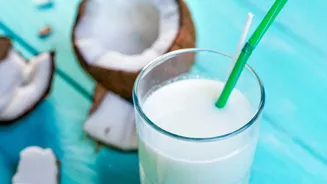
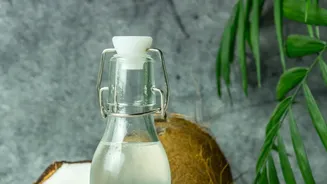
Creating your own natural electrolyte drink is incredibly simple and avoids the artificial colours, sweeteners, and high-fructose corn syrup found in many commercial sports drinks. All you need are a few basic ingredients. Basic Recipe: - 2 cups (about 500ml) of unsweetened coconut water - ⅛ to ¼ teaspoon of sea salt or pink Himalayan salt - A squeeze of fresh lime or lemon juice (for taste and a vitamin C boost) Instructions: Simply combine all the ingredients in a bottle or pitcher and shake or stir until the salt is fully dissolved. You can adjust the amount of salt and citrus to your taste. For a little natural sweetness and extra energy, you can also add a teaspoon of honey or maple syrup. Using unrefined salts is a good choice as they can contain additional trace minerals.
When and How to Use It
For optimal results, don't wait until you're already cramping. Start hydrating before your workout begins. Sip on your salt-infused coconut water about 30-60 minutes before heading out into the heat. During your workout, especially if it's longer than an hour or you're sweating heavily, continue to take small, regular sips. Afterwards, finishing the drink will help replenish your electrolyte stores and support your body's recovery process. By pre-loading with electrolytes, you give your muscles the minerals they need to function correctly from the start, which may help keep cramps from ever starting. This proactive approach to hydration is far more effective than trying to reverse dehydration and electrolyte loss after the fact.