



Understanding Sourdough Discard
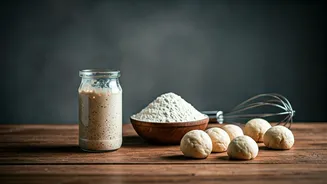
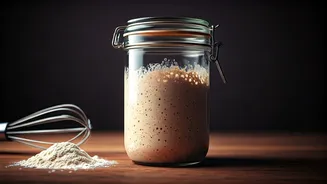
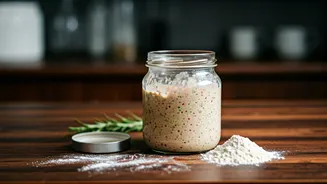
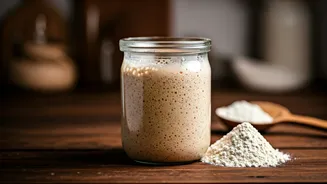
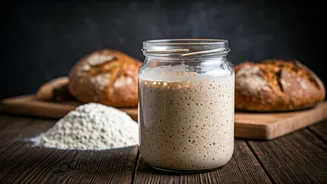
If you're a sourdough baker, you're familiar with the routine: before each feeding, you must remove a portion of your starter. This unfed portion is known as "sourdough discard." This essential step isn't about being wasteful; it's about maintaining a healthy,
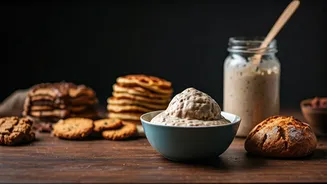
active starter. Discarding a portion ensures the microorganisms in your starter have enough fresh flour and water to thrive, which translates to better bread. If you didn't discard, you'd quickly be overwhelmed by the sheer volume of starter. While the name implies it should be tossed, this fermented mixture of flour and water is a flavor-packed ingredient in its own right, adding a delightful tang and tenderness to many recipes.
The 'Discard Pack' Strategy
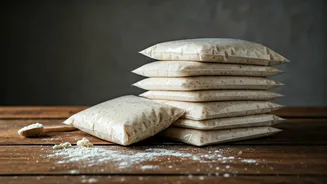
Instead of letting discard languish in a jar in the fridge, transform it into convenient, pre-portioned "packs." The easiest way to do this is by freezing. Pour your fresh discard into silicone molds, like an ice cube tray or a butter mold, and freeze until solid. Once frozen, pop the blocks out and store them in a labeled, airtight bag or container in the freezer. These packs can last for months. This method allows you to grab exactly what you need for a recipe without any fuss. Freezing also helps control the flavor. Discard gets more sour the longer it sits in the fridge. By freezing it when it's relatively fresh, you can preserve a milder, less tangy flavor, which is often preferable for recipes like cookies or banana bread.
A Tangy Start to Your Day
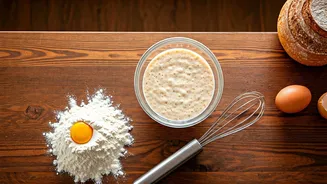
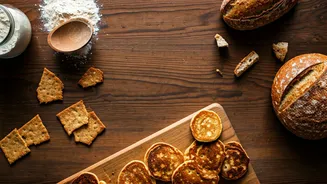
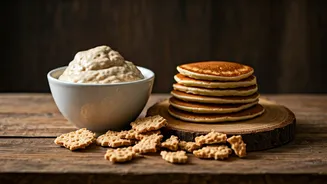
One of the most popular and satisfying uses for sourdough discard is making pancakes or waffles. The discard adds a complex flavor and contributes to a tender, fluffy texture. For a quick breakfast, you can simply whisk together discard, a bit of milk, an egg, and a pinch of sugar and salt. Because the discard is unfed, it won't provide much lift on its own, so most recipes will still call for a leavening agent like baking powder or baking soda to ensure your pancakes are light and airy. Simply thaw one or two of your discard packs, mix with the other ingredients, and you’re minutes away from a delicious breakfast that puts your baking byproduct to brilliant use.
Savory Snacks and Crackers
Sourdough discard truly shines in savory applications, and none are easier or more addictive than homemade crackers. The tangy flavor of the discard is a perfect base for all sorts of herbs and spices. The process is straightforward: combine your thawed discard with flour, butter or oil, and your chosen seasonings to form a stiff dough. Roll the dough as thinly as possible on parchment paper, score it into squares with a pizza cutter, and bake until golden and crisp. These crackers are a world apart from store-bought versions and are a fantastic way to use up a significant amount of discard.
Effortless Pizza Night
Yes, you can even use your discard to make a quick and flavorful pizza dough. While it won't have the same structure as a long-fermented sourdough crust made with active starter, a discard-based dough is perfect for a weeknight pizza craving. The discard adds a wonderful depth of flavor and creates a crust that's often described as thin and crispy with a soft, fluffy interior. You'll typically combine the discard with flour, water, salt, olive oil, and a small amount of commercial yeast to help with the rise. Let it proof for a couple of hours, and you have a delicious base ready for your favorite toppings.