


The Silent Damage of Sitting
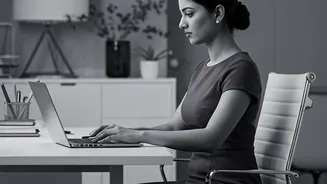
Our bodies are not designed for the prolonged static postures that define a typical desk job. When you sit for hours, a cascade of negative effects begins. Your large postural muscles, like the glutes and core, become inactive, leading to weakness. This
forces smaller muscles, not intended for long-term support, to pick up the slack, causing strain and pain. The hip flexors tighten and shorten, pulling the pelvis forward and contributing to lower back pain. This constant state of flexion encourages 'postural slumping', where the head drifts forward and the shoulders round. This seemingly harmless posture puts immense strain on the neck muscles and spine, leading to chronic discomfort, headaches, and reduced mobility. Over time, this muscle disuse and poor posture can contribute to more serious musculoskeletal issues.
What Are Micro-Movements?
Micro-movements are small, intentional, and frequent physical actions you can perform throughout your workday, often right at your desk. Think of them as 'movement snacks' rather than a full workout meal. The goal isn't to break a sweat or get your heart rate up, but to consistently interrupt long periods of physical inactivity. These actions can be as subtle as tensing and relaxing your glutes, rolling your ankles, or gently twisting your torso while seated. Unlike a dedicated 30-minute exercise break, micro-movements are seamlessly integrated into your workflow, taking anywhere from 30 seconds to two minutes. This approach acknowledges a simple truth: for combating sedentary effects, consistency trumps intensity.
The Science of Why It Works
The magic of micro-movements lies in their ability to 'wake up' your body on a cellular level. When you remain still, blood circulation slows, especially in your legs. Small movements, like calf raises or ankle pumps, reactivate the calf muscle pump, which helps push blood back towards the heart, improving circulation and reducing feelings of fatigue and sluggishness. These movements also re-engage the very muscles that sitting deactivates. A simple glute squeeze reminds those powerful hip muscles to fire, while a shoulder blade squeeze pulls your shoulders back, counteracting the forward slump. This regular muscle activation helps maintain muscle tone and prevents the weakening that leads to poor posture. Furthermore, these brief bursts of activity can boost focus and productivity by preventing the mental fog that often accompanies physical stagnation.
Your Desk-Friendly Micro-Movement Protocol
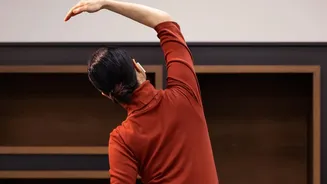
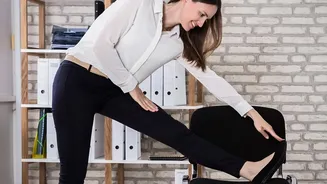
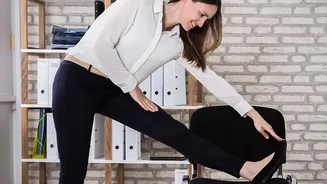
Building a protocol doesn't require any special equipment. The key is to target major muscle groups affected by sitting. Aim to perform one or two of these every 30 to 60 minutes. Seated Spinal Twists: Sit tall and gently twist your torso to one side, using your chair for a light assist. Hold for 15-20 seconds and repeat on the other side. This mobilises the spine. Shoulder Blade Squeezes: Pull your shoulder blades together and down, as if trying to hold a pencil between them. Hold for 5 seconds and release. This combats shoulder rounding. Chin Tucks: Gently pull your chin back, creating a 'double chin' feeling. This strengthens the deep neck muscles that support your head, counteracting 'tech neck'. Ankle Rotations: Lift one foot slightly off the floor and slowly rotate your ankle in circles, 10 times in each direction. Repeat with the other foot. This improves circulation. Glute Squeezes: While seated, simply squeeze your gluteal muscles as tightly as you can, hold for 10 seconds, and release. Repeat 5-10 times to keep these crucial muscles active.
Making It a Lasting Habit
Knowledge is only half the battle; execution is what brings results. The easiest way to build a micro-movement habit is to link it to an existing one. For example, do a set of shoulder rolls every time you finish a phone call. Or perform a spinal twist every time you send an email. Another effective strategy is to set a recurring timer on your phone or computer for every 30 or 60 minutes. When the alarm sounds, take just one or two minutes to stand up, stretch, or perform one of the exercises above. Don't aim for perfection from day one. Start by incorporating just two or three micro-breaks into your day and gradually increase the frequency. The goal is to make movement a natural and non-negotiable part of your workday, just like checking your email.