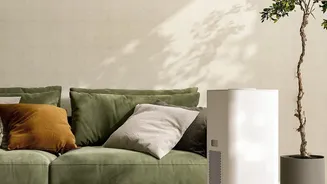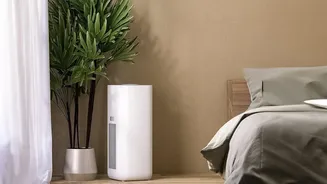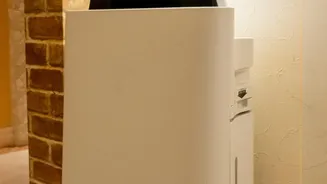


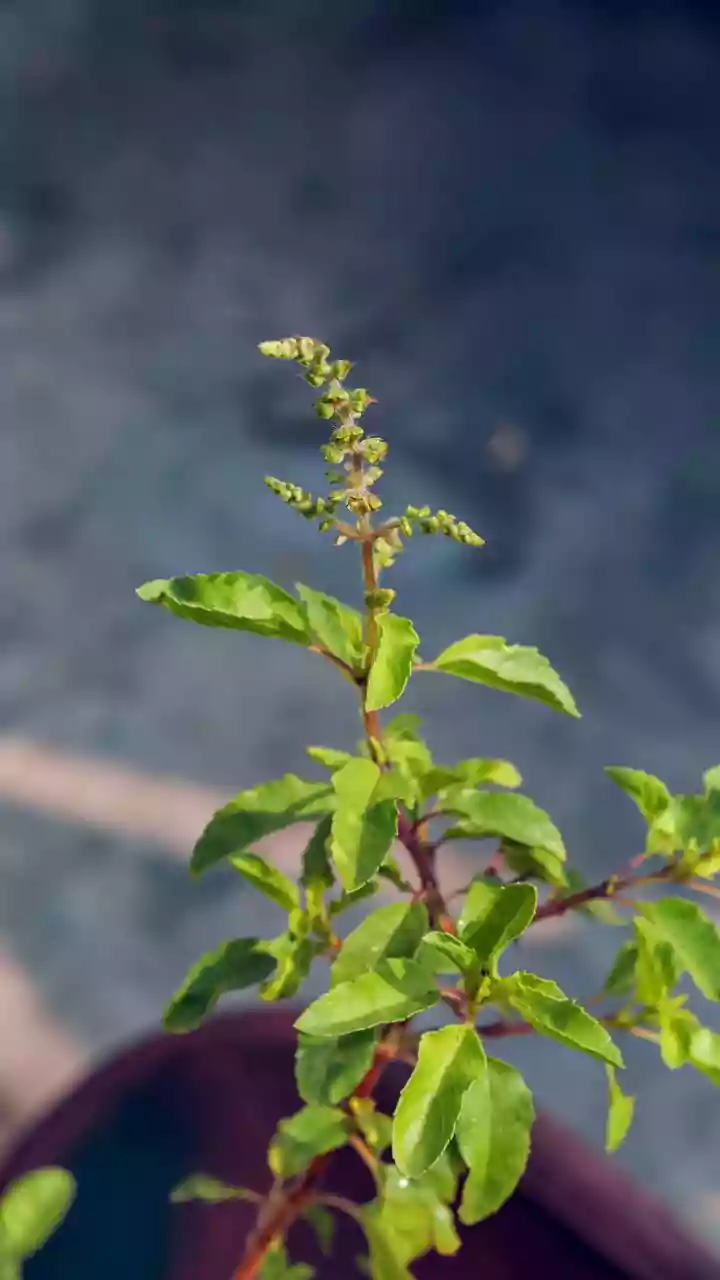

The idea of a lush, green jungle of houseplants doubling as a natural air filter is appealing. It’s an eco-friendly vision for a healthier home. But when it comes to genuinely cleaning your air, how does a humble plant stack up against a machine?
The Myth of the Purifying Plant
The popular
belief that houseplants scrub pollutants from the air largely stems from a 1989 NASA study. Researchers placed plants in small, sealed chambers and found they could remove volatile organic compounds (VOCs) like benzene and formaldehyde. This finding was exciting and has been used to market 'air-purifying plants' for decades. However, there’s a critical piece of context often missed: those experiments were conducted in airtight containers, not in a typical home or office with drafts, open windows, and constant air exchange. More recent scientific reviews have concluded that in a real-world setting, the effect of houseplants on air quality is negligible.
A Matter of Scale and Speed
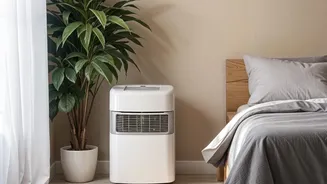
The core issue is one of scale. While plants do absorb small amounts of pollutants through their leaves and the microbes in their soil, their rate of removal is incredibly slow. Scientific analyses have calculated that to match the air-cleaning performance of a typical building's ventilation system—let alone an actual air purifier—you would need an impractically large number of plants. Estimates suggest anywhere from 10 to 1,000 plants per square metre of floor space would be required to make a measurable difference. That means turning a standard living room into a dense, impassable jungle just to achieve what a single machine can do. In short, you can't compare the passive, slow process of a few plants with the active, powerful filtration of a dedicated appliance.
How Air Purifiers Actually Work
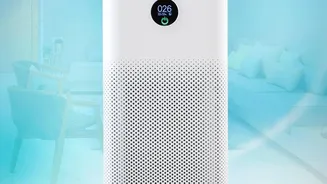
Air purifiers are engineered for one primary purpose: to clean air quickly and efficiently. Most high-quality units use a multi-stage filtration system. The first line of defence is often a pre-filter for large particles like hair and dust bunnies. The main component is the HEPA (High-Efficiency Particulate Air) filter, a dense mechanical mesh that is legally required to capture 99.97% of airborne particles down to 0.3 microns in size. This includes common irritants like dust, pollen, pet dander, mold spores, and smoke particulates. However, HEPA filters are designed to trap solid particles, not gases like VOCs. For those, effective purifiers rely on a substantial activated carbon filter, which uses a chemical process called adsorption to trap odours and gaseous pollutants.
Measuring a Machine's Power
The performance of an air purifier is measured by a metric called the Clean Air Delivery Rate (CADR). This number, certified by the Association of Home Appliance Manufacturers (AHAM), tells you the volume of filtered air a purifier can produce in a given amount of time. It’s tested for three different particle types: smoke, dust, and pollen. A higher CADR number means the machine can clean the air in a room faster. While a plant's effective CADR is estimated to be less than 1, a standard air purifier can have a CADR of 100 or much higher, making it hundreds or even thousands of times more effective at removing pollutants.
The Right Role for Your Plants
This doesn't mean you should get rid of your leafy friends. While they aren't effective air cleaners, houseplants offer numerous other proven benefits. Studies show that being around indoor plants can reduce stress, boost mood, and improve focus. They add natural beauty and a sense of vitality to a space. Plants also contribute to indoor humidity, which can be beneficial in dry environments. The key is to see plants and purifiers as having different jobs. Think of houseplants as a tool for wellness and aesthetics, and air purifiers as the tool for air filtration.