




1. Perform a Pre-Trip Vehicle Health Check
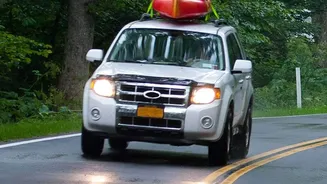
Before you even think about hitting the road, your first stop should be your own driveway for a thorough vehicle inspection. Your car is your first and last line of defence against the elements. Start with the essentials: your tyres are critical for grip
on wet, slippery surfaces. Ensure they have adequate tread depth and are inflated to the correct pressure. Worn-out tyres can lead to aquaplaning, where your vehicle loses contact with the road. Next, check your brakes. They work harder in the rain, and stopping distances increase on wet roads. Your wiper blades are another non-negotiable item; if they leave streaks or judder across the windshield, replace them immediately. Finally, test all your lights—headlights, taillights, brake lights, and indicators. In a downpour, visibility drops dramatically, and being seen is just as important as being able to see.
2. Plan Your Route and a Backup
Relying solely on your GPS during the monsoon can be a risky gamble. While navigation apps are great, they don't always account for local realities like sudden waterlogging, fallen trees, or roads closed due to landslides, which are common in hilly areas. Before you leave, study your primary route and identify potential choke points. More importantly, plan at least one viable alternative route. Use online forums, travel groups on social media, and local news reports to check for real-time conditions. This is particularly crucial for inter-city travel or trips to regions known for heavy rainfall. A little research can save you from being stuck for hours or having to take a dangerous detour.
3. Become a Diligent Weather Watcher
In the monsoon, the weather can change from a light drizzle to a torrential downpour in minutes. Don’t just check the forecast for your destination; monitor the weather predictions for the entire stretch of your route. Reputable sources like the India Meteorological Department (IMD) provide district-level warnings and updates. Check the forecast the day before you travel and again just before you head out. If a 'heavy' or 'very heavy' rainfall warning has been issued for areas along your path, it is wise to consider postponing your journey if possible. Being flexible with your plans is key to staying safe.
4. Assemble a Monsoon-Specific Emergency Kit
While a standard first-aid kit is always essential, a monsoon road trip requires a few extra items. Your emergency kit should be prepared for situations involving rain, water, and potential delays. Include a powerful, waterproof torch with extra batteries, a fully charged power bank for your phone, and a tow rope. Add some non-perishable snacks like energy bars and nuts, along with extra bottles of drinking water, in case you get stranded. A couple of dry towels, a waterproof bag for your electronics, and an umbrella or rain poncho are also invaluable additions. Having these items on hand provides peace of mind and ensures you are prepared for unexpected challenges.
5. Time Your Journey Wisely
Planning your departure and arrival times can significantly impact the safety of your trip. Driving at night during the monsoon is best avoided. Darkness, combined with rain, drastically reduces visibility, making it difficult to spot potholes, debris, or waterlogged sections of the road. Aim to start your journey early in the morning so you can complete most, if not all, of your travel during daylight hours. This also gives you a buffer to handle any unexpected delays without the added pressure of a setting sun. Try to avoid travelling during peak downpours when visibility is at its worst.
6. Keep Someone Informed of Your Itinerary
This is a simple, zero-cost safety measure that is often overlooked. Before you set off, share your detailed travel plan with a family member or a trusted friend. This should include your intended route, your estimated time of departure, and your expected time of arrival. If you've planned for overnight stops, share those details as well. Inform them that you will check in upon reaching your destination safely. This way, if you are unexpectedly delayed or go out of contact for a prolonged period, someone knows your intended whereabouts and can alert authorities if necessary.
7. Pack for Delays and Discomfort
Monsoon travel often comes with delays, and being comfortable can make a huge difference. Pack a change of clothes and footwear in an easily accessible part of your luggage. There's nothing worse than sitting in wet clothes after getting caught in a sudden shower. Opt for quick-drying synthetic fabrics. Keep a towel handy. Waterproof footwear is ideal, but if not, have a spare dry pair. Given the higher chances of traffic jams during rain, ensure you have a full tank of fuel before you start. Being stuck in traffic is bad enough; you don’t want the additional worry of running out of fuel.