



Often hailed as a 'miracle tree', moringa is more than just a trendy superfood; it's a humble, versatile green rooted in Indian culinary traditions. Here’s how you can easily weave this nutritional powerhouse into your everyday family meals.
A Leaf Packed with Power
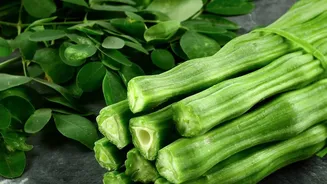
Moringa oleifera,
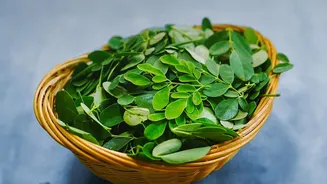
commonly known as the drumstick tree, offers leaves that are a treasure trove of nutrients. They are exceptionally rich in vitamins A and C, which are crucial for immunity and skin health. Furthermore, they provide a significant amount of iron, protein, magnesium, and calcium. What makes moringa particularly special is its complete amino acid profile, a rarity for a plant-based food, making it an excellent supplement for vegetarian and vegan diets. It's also loaded with antioxidants, which help combat cellular damage in the body. Incorporating these leaves is not about adopting a new, complex health trend but rather rediscovering a potent, locally available ingredient that has been part of our heritage for generations.
The Traditional Route: Dals and Sabzis
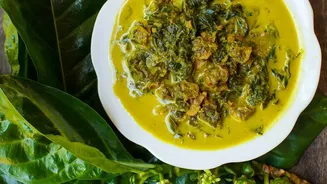
The most familiar way to enjoy moringa leaves is by adding them to classic Indian comfort foods. A handful of fresh leaves can be stirred into your everyday dal—be it toor, moong, or masoor—during the last 5-7 minutes of cooking. This not only enhances the flavour with a subtle, earthy taste but also significantly boosts its nutritional content. In South India, moringa leaves are a staple in sambar and lentil stews. Another simple method is to make a sabzi or stir-fry. Sautéing the leaves with mustard seeds, onions, garlic, and a sprinkle of grated coconut creates a delicious side dish, often called 'murungai keerai poriyal' in Tamil Nadu. This pairs perfectly with rice or rotis.
The Modern Hack: Moringa Powder
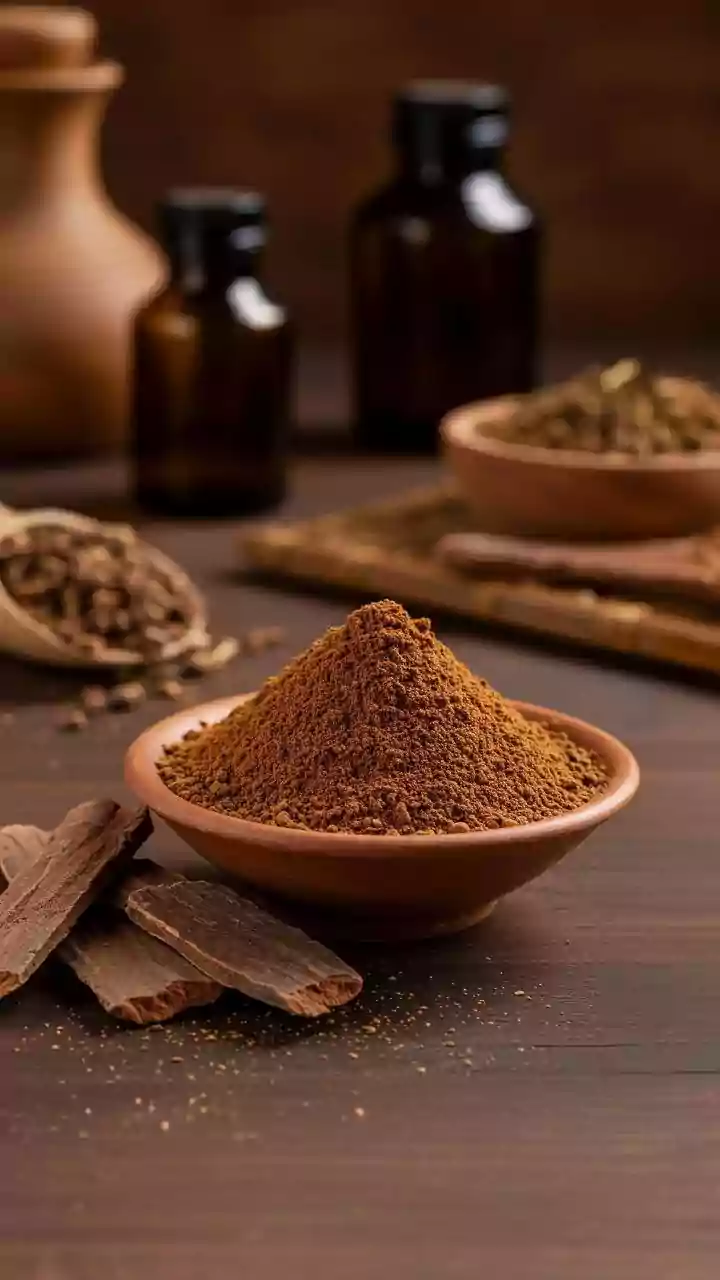
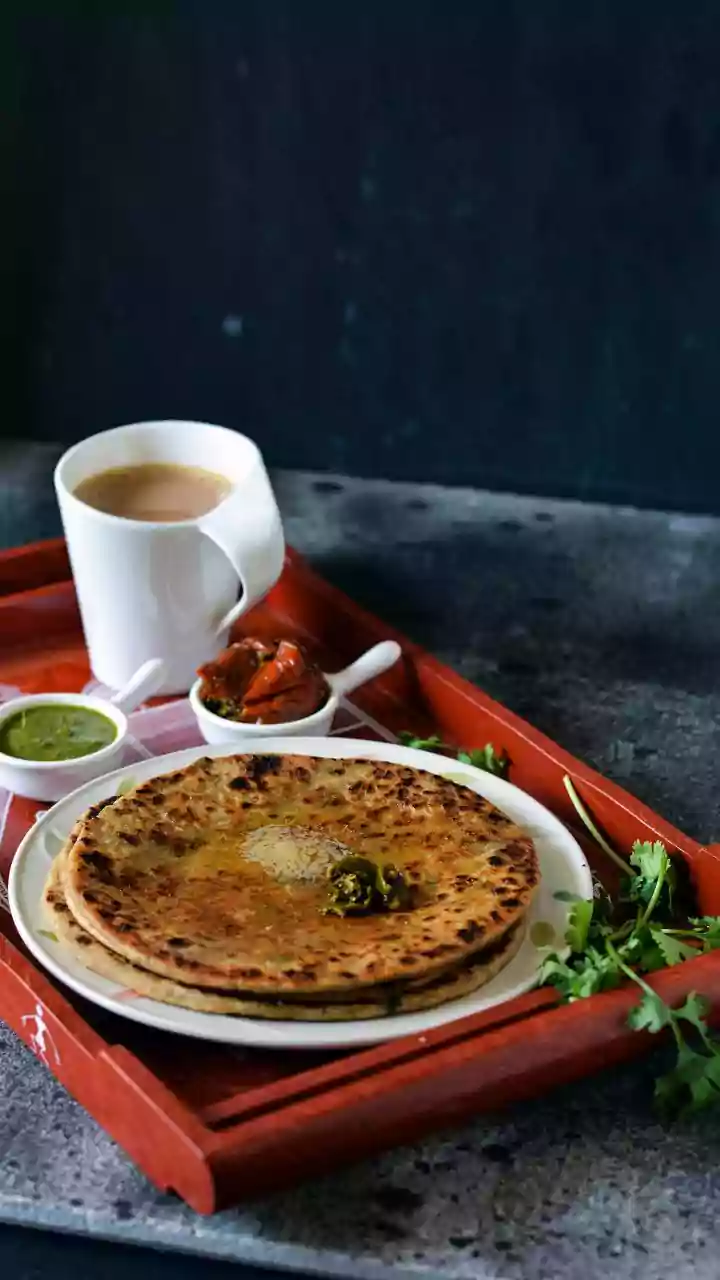
For those short on time or without access to fresh leaves, moringa powder is a game-changer. Made from dried and ground leaves, this powder concentrates the nutrients, meaning a little goes a long way. One of the easiest ways to use it is by mixing a teaspoon into your morning smoothie or a glass of buttermilk (chaas). Its strong green flavour can be masked by fruits like banana or mango. You can also knead the powder directly into your atta for rotis or chapathis, giving them a vibrant green hue and an invisible nutritional upgrade. Similarly, adding a spoonful to dosa or idli batter before fermenting or cooking is another seamless way to get your daily dose.
Beyond the Basics: Soups and Sprinkles
Think beyond the main course. Moringa leaves can be used to create a simple, nourishing soup by boiling them with some garlic, pepper, and a pinch of salt. Strain the liquid for a clear, restorative broth, perfect for a light evening meal or when you're feeling under the weather. The powder can be whisked into yogurt to make a nutrient-dense raita or dip. You can also simply sprinkle moringa powder over your finished dishes—from scrambled eggs (anda bhurji) and oatmeal to salads and roasted vegetables—just as you would use any other seasoning. This method requires no extra cooking and provides a direct, potent hit of vitamins and minerals.
Smart Shopping and Storage
When buying fresh moringa, look for vibrant green leaves and avoid any that are yellow or wilted. The leaves are typically sold on their stalks. To prepare them, you need to strip the small leaves from the tougher central stem, which can be a bit time consuming but is well worth the effort. Once plucked, wash the leaves thoroughly. For storage, you can keep unwashed leaves on their stalks in the refrigerator for a few days. For longer use, plucked and washed leaves can be air dried in the shade and stored in an airtight container, or you can freeze them. When purchasing moringa powder, opt for a reputable brand that uses a low temperature drying process to preserve the maximum amount of nutrients, and look for a bright green colour, not a dull brownish one.