






It’s a familiar scene: hours into a road trip, you pull into a petrol station and grab a sugary drink and a packet of biscuits. It feels like the perfect pick-me-up, but an hour later, you’re feeling sluggish, irritable, and worse than before.
The Initial Rush: A Deceptive Burst of Energy
When you
consume high-sugar foods or drinks, the sugar (glucose) is rapidly absorbed into your bloodstream. This quick flood of glucose gives your brain a temporary, feel-good jolt by triggering the release of dopamine, a neurotransmitter associated with pleasure and reward. This creates a short-lived burst of energy and improved mood, which is why that sweet treat seems so appealing when you're feeling tired. This initial high, however, typically only lasts for about 30 to 60 minutes and sets the stage for the inevitable crash that follows.
The Insulin Response and The Energy Crash
In response to the sudden spike in blood sugar, your pancreas releases a large amount of a hormone called insulin. Insulin’s job is to act like a key, unlocking your body's cells to allow glucose to enter and be used for energy. However, a rapid surge of sugar causes an overreaction—your pancreas pumps out so much insulin that it pulls too much glucose out of your blood, too quickly. This leads to a sharp drop in blood sugar levels, a condition known as reactive hypoglycemia. When your blood sugar plummets, your brain and muscles are deprived of their primary fuel source, resulting in fatigue, brain fog, irritability, and even dizziness. This is the 'sugar crash' that leaves you feeling drained and reaching for another snack to start the cycle all over again.
Why Sitting Makes It All Worse
The problem is magnified during extended road travel because you are sedentary. Physical activity naturally helps your muscles use up glucose from the blood. When you're sitting for hours in a car, your muscles aren't demanding that fuel. This sedentary state makes your body less sensitive to insulin's signals. Studies have shown that even short periods of reduced physical activity combined with high sugar intake can disrupt how the body responds to insulin. With your muscles inactive, the glucose has nowhere to go, placing an even greater burden on your insulin system and making the blood sugar rollercoaster of spike-and-crash more extreme. This combination of high sugar and low activity is a perfect storm for energy disruption.
Beyond Fatigue: Dehydration and Mood Swings
The negative effects aren't just about energy. To flush out the excess sugar from your bloodstream, your kidneys have to work overtime, a process that pulls water from your body's tissues. This can lead to dehydration, which itself is a major cause of fatigue and headaches. Furthermore, these dramatic swings in blood sugar can significantly affect your mood, leading to increased irritability and anxiety. This is hardly ideal when you need to stay alert and focused on the road. Chronic high sugar intake can also disrupt sleep patterns, contributing to daytime fatigue even after the journey is over.
Smarter Fuel for the Road Ahead
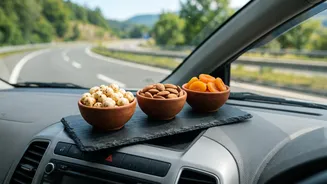
The key to maintaining stable energy during travel is to opt for snacks that provide a slow, steady release of fuel. Instead of simple sugars, choose options that are balanced with protein, fibre, and healthy fats. These nutrients slow down the absorption of carbohydrates, preventing the sharp spikes and crashes in blood sugar. Packing your own snacks is the best strategy. Excellent choices include nuts like almonds and walnuts, seeds, fresh fruit like apples or bananas, Greek yoghurt, hardboiled eggs, or roasted chickpeas. These foods provide sustained energy to keep you feeling full, focused, and alert for the long haul. If you must buy snacks on the go, look for nuts, cheese, or unsweetened dried fruit. And don't forget to drink plenty of water to stay hydrated.