

The Great Millet Revival
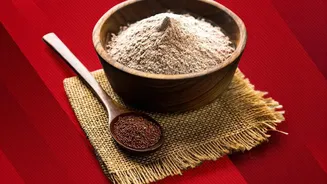
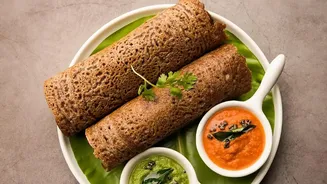
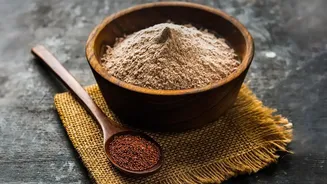
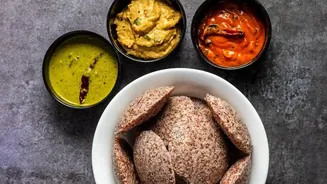
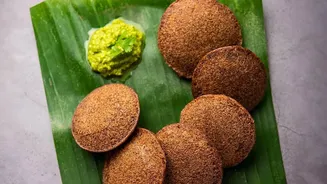
Not long ago, millets like ragi (finger millet), jowar (sorghum), and bajra (pearl millet) were often seen as traditional or rural foods. Now, they are being celebrated as superfoods. This resurgence is partly thanks to government initiatives and a growing
awareness of their incredible nutritional profile. Millets are naturally gluten-free, packed with protein, fibre, and essential minerals. Ragi, in particular, is a powerhouse of calcium, iron, and antioxidants, making it a valuable addition to any diet. As consumers actively move away from refined flour (maida), these ancient grains offer a wholesome, nutrient-dense alternative that aligns with modern wellness goals.
The Science and Allure of Sourdough
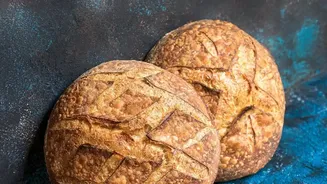
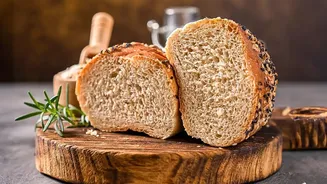
The global fascination with sourdough isn't just about its tangy flavour and chewy crust. It has become a 'supertrend' in baking for its health benefits. Unlike conventional bread that uses commercial yeast, sourdough is made from a 'starter'—a fermented mix of flour and water that cultivates wild yeast and beneficial bacteria. This slow fermentation process pre-digests the flour, making the bread easier on the gut and increasing the body's ability to absorb its nutrients. For many, sourdough is not just bread; it's a gut-friendly food that feels both indulgent and nourishing, with over half of consumers believing it makes bread healthier.
A Nutrient-Packed Partnership
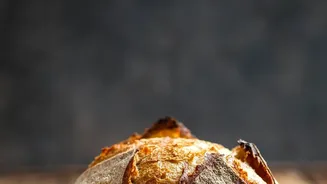
When ragi flour meets the sourdough fermentation process, the result is a product that is greater than the sum of its parts. The fermentation process enhances the nutritional benefits already present in the ragi. It helps in breaking down complex components, making the high levels of calcium, iron, and protein in ragi more accessible to the body. This combination creates a loaf that is not only rich in dietary fibre, which aids in digestion and weight management, but also has a lower glycaemic index, helping to stabilise blood sugar levels. The result is a truly functional food that delivers on both nutrition and taste.
Beyond Health: The Flavour and Texture Experience
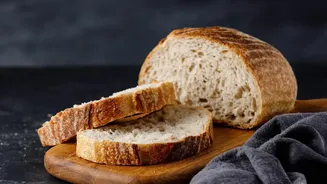
While health is a major driver, no food trend survives on nutrition alone. Ragi sourdough delivers a unique and satisfying sensory experience. It has a distinct earthy, slightly nutty flavour from the millet that is beautifully balanced by the characteristic tang of the sourdough. The texture is often denser and more moist than a typical wheat loaf, offering a hearty and satisfying bite. In a market where consumers increasingly seek out new texture and flavour experiences, ragi sourdough offers a compelling alternative to the uniformity of mass-produced bread. This unique profile is a key reason why it's not just a niche health food but a gourmet product in its own right.
The Rise of Artisanal and Clean-Label Foods
The popularity of ragi sourdough is also part of a larger shift in consumer behaviour. There is a growing demand for 'clean-label' products—foods made with simple, recognizable ingredients, free from artificial additives and preservatives. Artisanal bakeries are thriving by catering to this desire for authenticity and transparency. A loaf of ragi sourdough, often made by a local baker with a visible passion for their craft, represents a return to traditional methods and whole foods. Shoppers are increasingly willing to pay a premium for this perceived quality and trustworthiness, turning their backs on industrial-scale bakery products in favour of something they feel is more honest and wholesome.