




The Problem of the Mystery Meal
Your freezer should be a tool for preservation, saving you time and money. Yet for many, it becomes a culinary black hole. Without clear labels, you're relying on memory, which fades far faster than the food inside freezes. This leads to the dreaded guessing
game. Is this week-old soup or last year's stew? When in doubt, most people choose to throw it out, contributing to food waste. An unlabeled freezer isn't a pantry; it's a waiting room for perfectly good food to lose its appeal and, eventually, end up in the bin. Tackling this chaos begins with a simple, proactive habit, not a massive, one-time cleanout.
Why 'Early and Clear' is Key
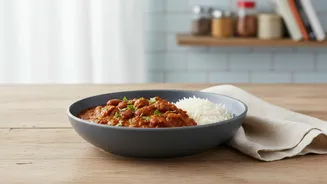
The headline's advice is precise for a reason. Deciding the dish name and date 'early' is the most crucial part of the process. 'Early' means labeling the container before it even goes into the freezer, while it's still at room temperature. Adhesives stick better to dry, temperate surfaces, and markers write more clearly. Waiting until a container is cold or already frozen makes the task more difficult and less likely to happen. Define the 'dish name' clearly. 'Chicken' isn't enough. Is it 'Chicken Curry', 'Shredded Chicken for Tacos', or 'Chicken Broth'? Specificity prevents future you from having to guess at your past intentions, making meal planning faster and more efficient.
The Anatomy of a Perfect Freezer Label
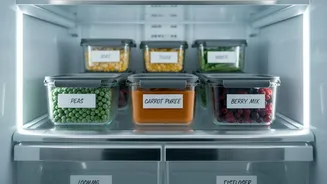
A truly effective label goes beyond just the basics. While the dish name and date are non-negotiable, a few extra details can transform your freezer into a highly functional extension of your kitchen. According to experts, the three most vital pieces of information are the contents, the freeze date, and a 'use-by' date. The contents tell you what it is, the freeze date provides context on its age, and the use-by date prompts action. For added utility, consider including the number of portions and brief reheating instructions, such as 'Thaw first, then microwave' or 'Reheat in a pot on the stove'. This small upfront effort saves significant time and mental energy later.
Choosing Your Tools for the Job
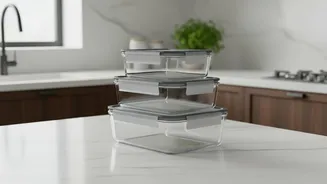
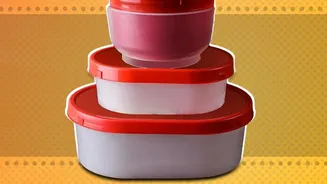
The right tools make any job easier. You don't need a complex system, just effective ones. A roll of masking tape or specialized freezer tape and a permanent marker is a classic, budget-friendly option. For markers, ensure they can withstand cold temperatures; some regular inks can fade or crystallize. If you use reusable containers, consider dissolvable labels. These stick firmly in freezing conditions but wash away completely in water, eliminating sticky residue. Another sustainable option is using reusable slate or erasable labels with chalk markers. Whatever you choose, the key is consistency. Keep your labeling tools in an accessible place in your kitchen so they become a natural part of your food storage routine.
From Labels to a Full System
Great labels are the foundation of freezer organisation, but they work best as part of a larger system. Implement the 'First In, First Out' (FIFO) method, a staple in professional kitchens. This means placing newer items at the back and moving older items to the front so they get used first. You can enhance this by using bins or dividers to group similar items together—one for soups, one for raw meats, one for baked goods. This creates 'zones' in your freezer, making it easy to see at a glance what you have. A well-labeled and well-organised freezer not only prevents food waste but also makes your life easier, reducing the mental load of meal prep and grocery shopping.