




The New Face of Everyday Dairy
For generations, dairy in India has been a cornerstone of daily life, synonymous with liquid milk for chai, ghee for cooking, and a comforting bowl of curd. While that foundation remains strong, the definition of dairy is expanding. The shelves of supermarkets
and the menus of quick-commerce apps now feature products like Greek yogurt, high-protein paneer, fortified milk beverages, and protein-rich lassi. This is the new face of Indian dairy—a sector undergoing a significant transformation by adding value through protein fortification. This shift moves dairy from being a simple staple to a functional food, designed to meet the evolving nutritional demands of a new generation of Indian consumers. It’s not about replacing traditional products but enhancing them, creating a market where nutrition, convenience, and taste converge.
The Drivers: Why Protein, Why Now?
Several powerful forces are fueling this protein push. At the forefront is a dramatic rise in health and wellness consciousness across the country. As disposable incomes increase, particularly among urban and millennial populations, consumers are more willing to spend on products that offer tangible health benefits. This is compounded by a growing awareness of the 'protein gap' in many traditional Indian diets, which are often rich in carbohydrates but lacking in sufficient high-quality protein. The fitness boom, with its emphasis on muscle recovery and weight management, has also moved protein from a niche supplement for bodybuilders to a mainstream wellness ingredient for the everyday active individual. Furthermore, the fast-paced nature of modern urban life has created a strong demand for convenient, on-the-go nutrition, a need that protein-enriched, ready-to-consume dairy products are perfectly positioned to fill.
From Dahi to Greek Yogurt: The Product Evolution
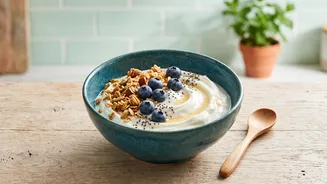
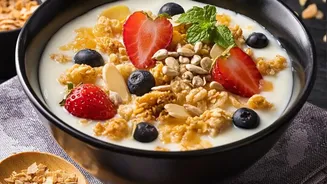
This trend is best understood through the products themselves. Startups like Epigamia were instrumental in carving out a new category with Greek yogurt, a thicker, higher-protein alternative to traditional dahi. They successfully positioned it not just as a food item but as a healthy, lifestyle-oriented snack for urban consumers. But the innovation doesn't stop there. Dairy giants are now embedding protein into familiar formats. Amul, a household name, has launched an entire range of affordable, high-protein products, including a protein-fortified lassi and buttermilk, and even a high-protein paneer. Other companies like Milky Mist and Parag Milk Foods are investing heavily in new plants to produce Greek yogurt and other protein snacks. Even cafe chains like Tim Hortons and Chaayos are partnering with dairy companies to launch protein-infused coffees and teas, signaling that fortified beverages are becoming a mainstream expectation.
The Players: A Tale of Giants and Innovators
The battle for India's protein-dairy market is being fought on two fronts. On one side are the established dairy cooperatives and federations, led by the formidable Gujarat Co-operative Milk Marketing Federation (GCMMF), which owns Amul. Leveraging its immense scale in milk procurement and distribution, Amul is making protein accessible and affordable to the masses. Its strategy is to turn whey, a byproduct of its massive cheese and paneer production, into a key ingredient for its protein line, giving it a massive cost advantage. On the other side are agile, venture-backed startups like Epigamia, Akshayakalpa, and Provilac. These brands have excelled at building premium niches, connecting with health-conscious urban consumers through digital marketing and quick-commerce platforms. They have effectively created and defined new categories, forcing the entire industry to innovate. This dynamic between mass-market giants and premium innovators is what makes the market so vibrant, pushing both sides to deliver better products to the end consumer.